Best Point-and-Shoot Cameras of 2026: 5 Compacts Worth Carrying
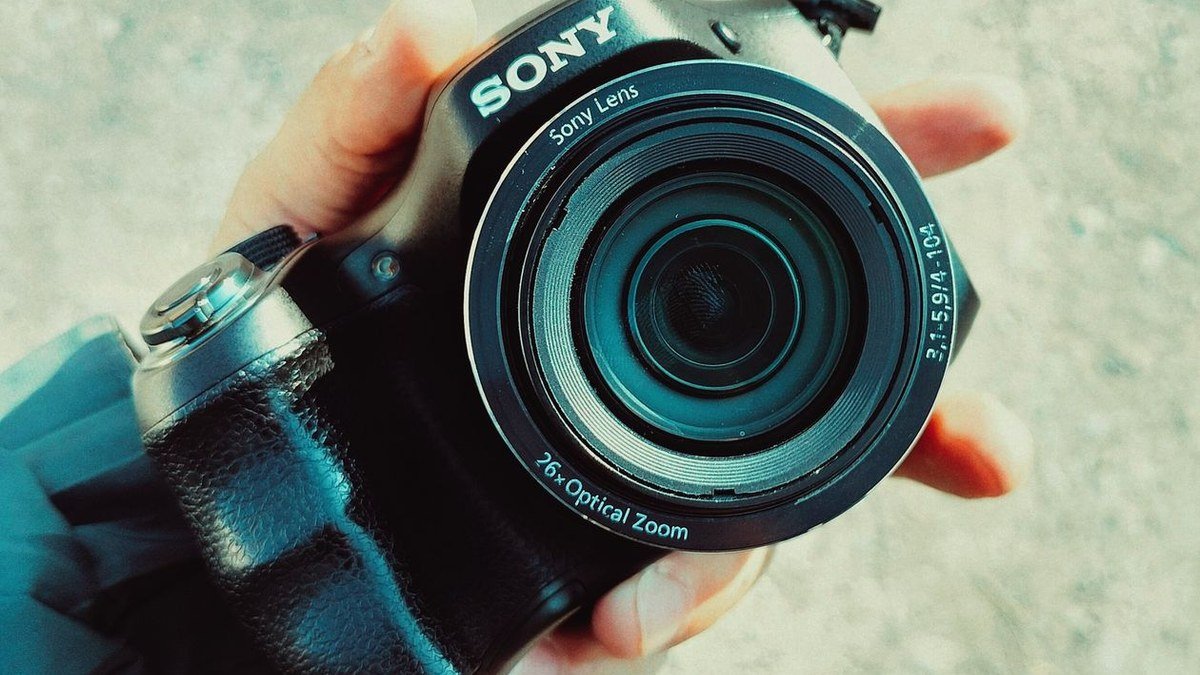
The best point and shoot cameras of 2026 answer a simple question: what if you could have phone convenience with real camera quality? These pocketable compacts slip into a jacket pocket, wake in a second, and take photos your phone can’t — better low light, real optical zoom, and that rich look a tiny phone sensor can’t fake.
Here are five compact cameras worth carrying in 2026: a cult-classic street shooter, a zoom monster for travel, a vlogger favorite, a minimalist’s dream, and a budget zoom that costs less than a mid-range phone accessory. Every pick is a fixed-lens compact — you buy it, charge it, and shoot.
Disclosure: This article contains affiliate links. As an Amazon Associate, we earn from qualifying purchases. We may also earn commissions from Daraz and AliExpress purchases made through links on this page, at no extra cost to you.
Why Buy a Compact Camera When Phones Are So Good?
Phone cameras are excellent in daylight — but physics is physics. A point-and-shoot packs a sensor several times larger than a phone’s, a real glass zoom lens instead of digital crop, and a proper flash. That shows up exactly where it matters: dim restaurants, evening streets, concerts, and portraits where the background melts away naturally instead of through software.
The other reason is focus — yours, not the camera’s. A dedicated camera has one job. No notifications, no urge to check messages between shots. Plenty of people buy a compact specifically to be more present on trips: camera in one pocket, phone left at the hotel.
The best point-and-shoots of 2026 also borrow from their bigger siblings: fast autofocus, 4K video, even film-like color modes. Want zoom range on your phone instead? Check our guide to the best phone lenses of 2026 — but for image quality, a real compact wins.
How to Choose a Point-and-Shoot Camera
Compact cameras look similar on a shelf but behave very differently in practice. Here’s what actually matters.
1. Sensor size sets the ceiling
A 1-inch sensor (found in most premium compacts) is roughly four times the area of a typical phone sensor — that’s your low-light and detail advantage. APS-C compacts like the Fujifilm X100VI and Ricoh GR IIIx go further still, matching interchangeable-lens cameras. Bigger sensor usually means bigger price and less zoom range, so decide which trade-off fits your shooting.
2. Zoom range vs. image quality
Fixed-lens primes (like the Ricoh GR IIIx) deliver the sharpest images but no zoom — you zoom with your feet. Travel zooms (like the Panasonic ZS99) reach far but pair it with smaller sensors.
3. Pocketability is the whole point
A compact you leave at home is a paperweight. Check real dimensions and whether the lens retracts fully flat. The best travel compacts slide into a jeans pocket; the chunkier ones need a jacket pocket or small bag. Weight matters too — under 400g is the comfort zone for all-day carry.
4. Video and extras worth paying for
Shooting any video? Look for 4K recording and a flip-up screen for selfies or vlogging. Built-in ND filters, good stabilization, and USB-C charging are practical extras. And pack a compact power bank on trips — small camera batteries drain fast, and USB-C top-ups save the day.
The Best Point-and-Shoot Cameras of 2026
1. Fujifilm X100VI — Best Overall Compact Camera
The Fujifilm X100VI is the most wanted compact camera on the planet — and for once, the hype is earned. A large APS-C sensor, a sharp fixed 23mm f/2 lens (35mm equivalent), and Fujifilm’s beloved film simulations produce photos that look finished straight out of the camera. The hybrid viewfinder (flip between optical and electronic) is a joy, and the retro dials make shooting feel intentional.
It’s genuinely capable too: in-body stabilization, 4K video, and fast autofocus. At around $1,599 it’s the priciest pick here, and stock can be hard to find — but nothing else combines this image quality, size, and shooting experience. If you can only buy one camera for the next five years, this is the one.
Pros: superb APS-C image quality; film simulations; hybrid viewfinder; compact and beautiful; stabilization.
Cons: expensive; fixed lens (no zoom); often out of stock.
Best for: street, travel, and everyday photography where quality matters most.
2. Sony RX100 VII — Best Pocket Zoom
The Sony RX100 VII has been the premium pocket camera to beat for years, and in 2026 it’s still the one to get for real zoom in a truly pocketable body. The 24–200mm equivalent zoom stretches from wide landscapes to distant subjects, the 1-inch sensor keeps quality high, and Sony’s autofocus — with real-time eye tracking — locks on faster than cameras twice its size.
Video is strong too, with 4K and a flip-up screen for vlogging. Around $1,298 is steep for a compact, but you’re paying for the best blend of zoom range and pocketability money can buy. Creators pairing it with a phone setup should see our best phone stands and grips for stable shooting.
Pros: huge 24–200mm zoom in a pocket body; class-leading autofocus; great 4K video; flip screen.
Cons: expensive; small controls can feel cramped; no hot shoe.
Best for: travelers who want maximum versatility in minimum space.
3. Canon PowerShot G7 X Mark III — Best for Vlogging
The Canon PowerShot G7 X Mark III remains the classic vlogging compact: a 1-inch sensor, a bright 24–100mm f/1.8–2.8 lens that’s excellent in low light, a flip-up touchscreen, and a microphone jack — a rare find on compacts. It’s been the default recommendation for YouTube beginners for years, and Canon’s color and autofocus keep it relevant.
As a stills camera it’s no slouch either: the fast lens delivers real background blur for portraits, and the whole thing fits a jacket pocket. Around $749 makes it the sensible middle ground — far cheaper than the Sony, far more capable than budget zooms. If your compact will spend half its life recording video, start here.
Pros: bright f/1.8–2.8 lens; flip-up screen; mic jack; proven vlogging favorite.
Cons: no viewfinder; 4K has a crop; older design.
Best for: vloggers and creators who want a pocketable video camera.
4. Ricoh GR IIIx — Best for Minimalists
The Ricoh GR IIIx is a camera with a philosophy: one sharp 40mm-equivalent lens, an APS-C sensor, and a body that vanishes into a pocket. No zoom, no viewfinder, no flip screen — just a fast, quiet street-shooting tool that rewards getting closer to your subject. Photographers who own one tend to call it the camera they actually take everywhere.
Image quality is superb — the same sensor class as the Fujifilm X100VI — and snap-focus lets street shooters pre-set a focus distance and fire instantly. Around $1,049 buys arguably the purest shooting experience on this list. For audio to match your street videos, a wireless mic for creators is a smart companion.
Pros: tiny body, huge APS-C sensor; incredibly sharp lens; snap-focus for street shooting.
Cons: no zoom; no viewfinder or flip screen; battery life is modest.
Best for: street photographers and minimalists who value discretion.
Check Camera Deals on AliExpress
5. Panasonic Lumix ZS99 — Best Budget Travel Zoom
The Panasonic Lumix ZS99 (also sold as the TZ99 in some regions) answers “what’s the cheapest compact that’s still worth buying?” A 30x zoom (24–720mm equivalent) reaches absurdly far — moon shots, safari animals, kids’ soccer games — in a body that fits a jacket pocket. The 1/2.3-inch sensor is smaller than the premium picks, but in good light the results are genuinely fun.
It shoots 4K video, has a flip-up selfie screen, and charges over USB-C. Around $500 makes it the easy recommendation for vacations and family trips where zoom range matters more than low-light performance.
Pros: massive 30x zoom; very affordable; 4K video and selfie screen; USB-C charging.
Cons: small sensor struggles in low light; no viewfinder; modest burst speed.
Best for: budget travelers who want maximum zoom for minimum money.

Best Point-and-Shoot Cameras: Comparison
| Camera | Sensor | Zoom | Approx. price | Best for |
|---|---|---|---|---|
| Fujifilm X100VI | APS-C | Fixed 23mm f/2 | ~$1,599 | Best overall |
| Sony RX100 VII | 1-inch | 24-200mm equiv. | ~$1,298 | Pocket zoom |
| Canon G7 X Mark III | 1-inch | 24-100mm f/1.8-2.8 | ~$749 | Vlogging |
| Ricoh GR IIIx | APS-C | Fixed 40mm equiv. | ~$1,049 | Street/minimalist |
| Panasonic Lumix ZS99 | 1/2.3-inch | 24-720mm equiv. | ~$500 | Budget travel zoom |
Frequently Asked Questions
Are point-and-shoot cameras still worth buying in 2026?
Yes — for the right buyer. Phones win on convenience, but a 1-inch or APS-C sensor with a real zoom lens delivers visibly better low-light shots, optical reach, and background blur. If you keep hitting your phone’s limits at concerts, on trips, or after dark, a compact is worth it.
What is the best compact camera for travel?
The Sony RX100 VII is the best all-around travel compact: pocketable, with a 24–200mm zoom and great autofocus. For image quality above all, the Fujifilm X100VI wins — but it has no zoom.
Fixed lens or zoom: which is better for beginners?
Zooms are more forgiving — they handle everything from wide landscapes to distant details. Fixed-lens cameras like the Ricoh GR IIIx force you to move and think, which many photographers find more rewarding, but they can frustrate beginners. When in doubt, buy the zoom.
Do compact cameras shoot good video?
Modern compacts shoot solid 4K video. The Canon G7 X Mark III is the standout for vlogging thanks to its flip screen and mic jack; the Sony RX100 VII is strong too. For serious video work, see our guide to the best vlogging camera of 2026.
How long do point-and-shoot cameras last?
A good compact lasts many years — no moving mirrors to wear out, and image quality doesn’t age. Batteries are the weak point; they’re small and replacements are cheap, so buy a spare. Keep the lens clean and the camera dry, and it’ll outlast several phones.

Final Verdict
The Fujifilm X100VI (~$1,599) is the best point-and-shoot of 2026 for image quality and shooting joy — if you can find one in stock. The Sony RX100 VII (~$1,298) is the most versatile pocket camera ever made, the Canon G7 X Mark III (~$749) remains the vlogger’s default, the Ricoh GR IIIx (~$1,049) is the minimalist’s dream, and the Panasonic Lumix ZS99 (~$500) proves you don’t need four figures for a fun travel camera. Pick the one that matches how you shoot — then actually take it everywhere.
Where to Buy: Compare Prices on Daraz · Check AliExpress Price
Check the price on AliExpress — the global marketplace with millions of tech products.
As an AliExpress affiliate, we may earn a commission on qualifying purchases.