
Best Instant Cameras of 2026: 5 Fun Picks for Parties and Travel

The best instant cameras do something no phone can: hand you a physical photo seconds after you take it. There’s a reason these cameras own every party, wedding, and road trip — watching a print develop in your palm never gets old, and the prints become fridge art, scrapbook pages, and gifts instead of files you’ll never look at again.
Here are five instant cameras for 2026: the classic budget Instax everyone knows, a hybrid that prints your phone photos too, the big-format pick for group shots, Polaroid’s retro icon, and a square-format option for Instagram-style prints. Buying for yourself or as a gift, there’s a pick here for every budget.
Disclosure: This article contains affiliate links. As an Amazon Associate, we earn from qualifying purchases. We may also earn commissions from Daraz and AliExpress purchases made through links on this page, at no extra cost to you.
How Instant Cameras Work (and What Film Costs)
An instant camera exposes a small sheet of self-developing film when you press the shutter, then ejects it — chemicals inside the print develop the image over a few minutes. Fujifilm’s Instax system and Polaroid’s i-Type/600 film are the two main formats, and they’re not interchangeable: your camera choice locks in your film.
The honest cost conversation: the camera is cheap; the film is the real expense. Instax Mini film runs roughly $0.70–$1 per shot; Polaroid film is pricier at around $2 per shot. Budget for film like you’d budget for the camera itself — especially if it’s a gift for a kid or teen.
The best instant cameras of 2026 also include hybrid models that double as portable printers for your phone photos — the best of both worlds if you love prints but shoot mostly on your phone. Speaking of phones, our guide to the best phone lenses of 2026 can level up the shots you print from your phone.
How to Choose an Instant Camera
Instant cameras are simple by design — but a few choices separate the good buys from the drawer-fillers.
1. Pick your film format first
Instax Mini (credit-card size) is the cheapest film and the most popular — the safe default. Instax Square gives bigger, Instagram-style prints; Instax Wide is best for group shots and landscapes. Polaroid film is larger with that classic look, but costs roughly twice as much per shot.
2. Analog vs. hybrid
Classic analog instant cameras are pure point-and-shoot: frame, click, print — no screen, no do-overs. Hybrids (like the Instax Mini Evo) add a digital sensor and screen, so you can review shots before printing and even print photos from your phone. Hybrids cost more but waste far less film, which matters at $1 a shot.
3. Ease of use matters most
These cameras get used at parties by people who’ve never held one. Automatic exposure is essential — skip models that make you guess settings. A selfie mirror or selfie mode is a big plus, and simple controls beat “creative modes” nobody remembers how to use.
4. Size, battery, and gift-ability
Smaller cameras get carried more; rechargeable batteries (USB-C) beat disposables for heavy use. If it’s a gift, bundle extra film — an instant camera with only 10 shots included runs dry in an hour. A compact power bank keeps USB-C rechargeable models topped up on trips.
The Best Instant Cameras of 2026
1. Fujifilm Instax Mini 12 — Best Overall Instant Camera
The Fujifilm Instax Mini 12 is the best instant camera for most people, full stop. It’s dead simple — twist the lens to turn on, frame, shoot — with automatic exposure that nails it in most light. The close-up selfie mode (with a little mirror beside the lens) makes it genuinely good at the arm’s-length shots these cameras live for.
At around $80 it’s also the cheapest way into instant photography, and Mini film is the most affordable per shot. It runs on AA batteries, so you’re never hunting for a charger. It won’t win on features — but for pure point-and-print fun, nothing beats it.
Pros: extremely easy to use; cheapest camera and cheapest film; selfie mode with mirror; fun colors.
Cons: no screen or shot review; uses AA batteries; prints are small.
Best for: parties, gifts, and anyone buying their first instant camera.
2. Fujifilm Instax Mini Evo — Best Hybrid Instant Camera
The Instax Mini Evo is for people who love instant prints but hate wasting film. It’s a hybrid: a digital camera with a screen and 10 lens effects × 10 film effects (100 combinations), so you review every shot before deciding to print. It also works as a Bluetooth printer for your phone’s photos — snap with your phone, print on Instax film.
The retro design looks great, image quality beats basic analog models, and USB-C charging plus a microSD slot make it feel like a real camera. Around $200 is double the Mini 12 — but you’ll waste far less film, and the phone-printing feature alone justifies it for many buyers.
Pros: review shots before printing; prints phone photos via Bluetooth; 100 creative effect combos; USB-C rechargeable.
Cons: priciest Instax Mini option; prints still small; app pairing can be fiddly.
Best for: anyone who wants prints without the wasted shots.
3. Polaroid Now (Generation 3) — Best Classic Polaroid Experience
The Polaroid Now Generation 3 is the modern version of the camera your parents knew: big square prints, that iconic rainbow stripe, and the satisfying chunk of the film ejecting. Polaroid’s autofocus system handles two zones (portrait and landscape) automatically, and double-exposure mode lets artsy shooters layer two images onto one print.
The prints are the star — large, with Polaroid’s distinctive color character that no filter quite reproduces. The trade-off is film cost: around $2 per shot turns every press of the shutter into a small commitment. For creators documenting the process, our best phone stands and grips help film unboxings and demos hands-free.
Pros: iconic large square prints; classic Polaroid look; double-exposure mode; simple autofocus.
Cons: film is expensive (~$2/shot); bulky compared to Instax; prints develop slowly.
Best for: nostalgia lovers and anyone wanting the biggest, most characterful prints.
4. Fujifilm Instax Wide 400 — Best for Group Shots
Mini prints are cute until you’re squeezing six people into one. The Fujifilm Instax Wide 400 uses Instax Wide film — roughly twice the size of Mini — making it the best instant camera for group photos, parties, and landscapes. The wider frame feels closer to a real photograph than a sticker.
It’s as simple as the Mini 12: automatic exposure, a selfie mode, and a self-timer for group shots you can actually appear in. Around $150 for the camera, with Wide film at roughly $1 per shot — only slightly more than Mini film for double the print.
Pros: large prints fit groups easily; simple automatic operation; self-timer included; reasonable film cost.
Cons: bulky — not a pocket camera; no screen; fewer color options.
Best for: parties, weddings, and group photos where Mini prints feel cramped.
Check Camera Deals on AliExpress
5. Fujifilm Instax Square SQ1 — Best Square-Format Instax
The Instax Square SQ1 splits the difference: square prints like a Polaroid, on Fujifilm’s cheaper, faster-developing Instax Square film (around $1 per shot). The 1:1 format suits the Instagram-trained eye, and the prints are a satisfying size for framing or pinning to a board.
Operation is classic Instax simple — automatic exposure, a selfie mode with mirror, and one-touch shooting. At around $120 it sits between the Mini 12 and the Mini Evo: the sweet spot for anyone wanting bigger-than-Mini prints without Polaroid’s per-shot cost. It’s also a strong gift pick — distinctive without being complicated.
Pros: square prints on affordable film; very easy to use; good gift option; fast-developing film.
Cons: no screen or effects; bulkier than the Mini 12; Square film less widely stocked.
Best for: square-print lovers who want Polaroid vibes at Instax prices.
Best Instant Cameras: Comparison
| Camera | Film format | Approx. film cost/shot | Approx. camera price | Best for |
|---|---|---|---|---|
| Instax Mini 12 | Instax Mini | ~$0.70-$1 | ~$80 | Best overall |
| Instax Mini Evo | Instax Mini | ~$0.70-$1 | ~$200 | Hybrid + phone printing |
| Polaroid Now Gen 3 | Polaroid i-Type | ~$2 | ~$120 | Classic big prints |
| Instax Wide 400 | Instax Wide | ~$1 | ~$150 | Group shots |
| Instax Square SQ1 | Instax Square | ~$1 | ~$120 | Square format |
Frequently Asked Questions
How much does instant camera film cost?
Instax Mini film is the cheapest at roughly $0.70–$1 per shot; Instax Square and Wide run about $1 per shot; Polaroid i-Type film costs around $2 per shot. Budget film into the total cost — especially for gifts.
What’s the difference between Instax Mini, Square, and Wide?
It’s print size. Mini prints are credit-card sized (54×86mm); Square prints are 1:1 format (72×86mm); Wide prints are roughly double Mini’s width (108×86mm). The cameras and film aren’t interchangeable, so pick the format that fits how you’ll shoot — groups and landscapes favor Wide.
Are hybrid instant cameras worth it?
If you hate wasting film, yes. Hybrids like the Instax Mini Evo let you review shots before printing and print photos from your phone, so nearly every print is a keeper. They cost more upfront (~$200) but pay back in unwasted film.
Do instant camera prints fade?
Modern Instax prints are quite stable — keep them out of direct sunlight and they’ll last years. Polaroid prints are more delicate: shield them from light while developing (the old “shake it” habit actually harms them) and store them away from heat.
What should I bundle with an instant camera gift?
Film — always film. A camera with 10 included shots runs dry in one party. Add at least a 20- or 40-pack of the right film, plus a small photo album or string-light clips for displaying prints. For USB-C rechargeable models, a compact power bank is a thoughtful extra for travel.
Final Verdict
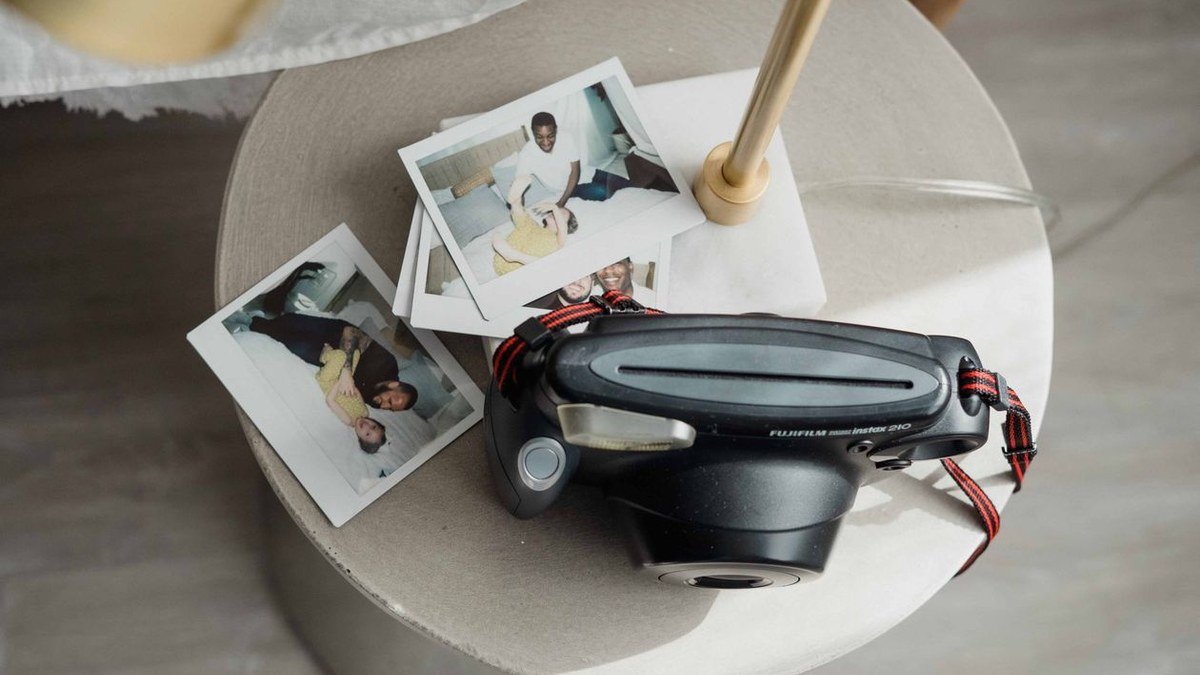
The Fujifilm Instax Mini 12 (~$80) is the best instant camera for most people: cheap, foolproof, and the film costs the least. If wasted shots bother you, the Instax Mini Evo (~$200) adds a screen and phone printing that make every shot count. The Polaroid Now Gen 3 (~$120) delivers the iconic big-print experience at a higher per-shot cost, the Instax Wide 400 (~$150) is the group-shot champion, and the Instax Square SQ1 (~$120) gives you square prints without Polaroid prices. Whatever you choose, buy extra film — the camera is just the beginning of the fun.
Where to Buy: Compare Prices on Daraz · Check AliExpress Price
Check the price on AliExpress — the global marketplace with millions of tech products.
As an AliExpress affiliate, we may earn a commission on qualifying purchases.