Best Camera Lenses for Beginners in 2026: 5 Versatile Picks
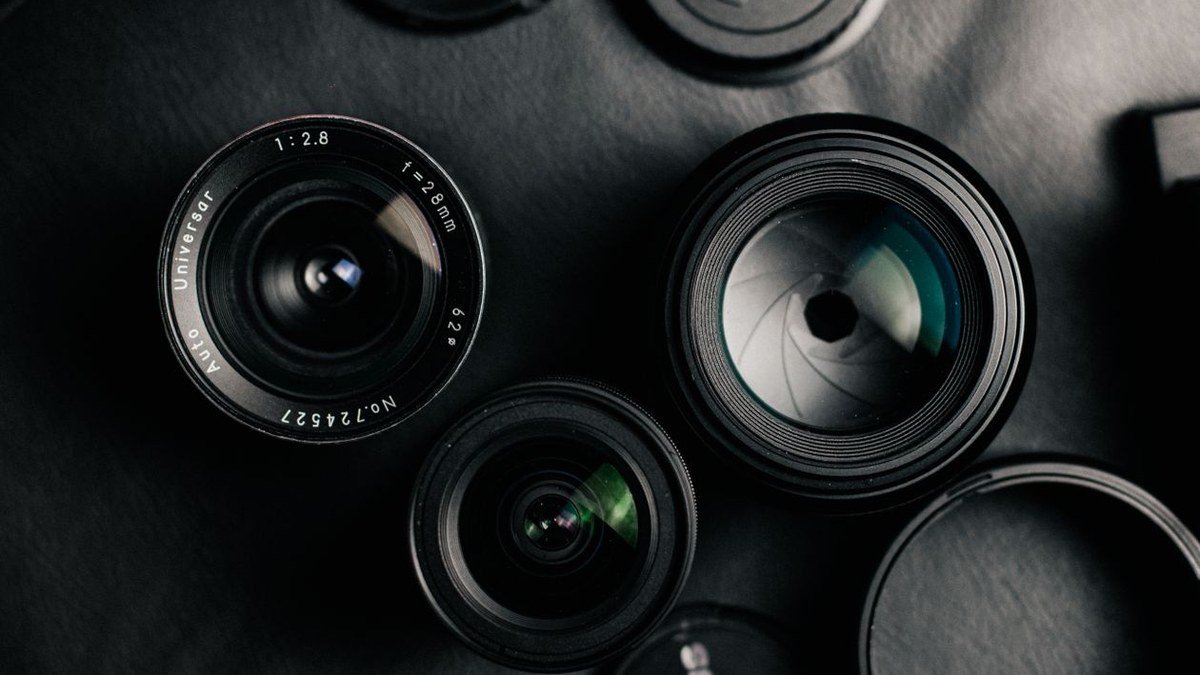
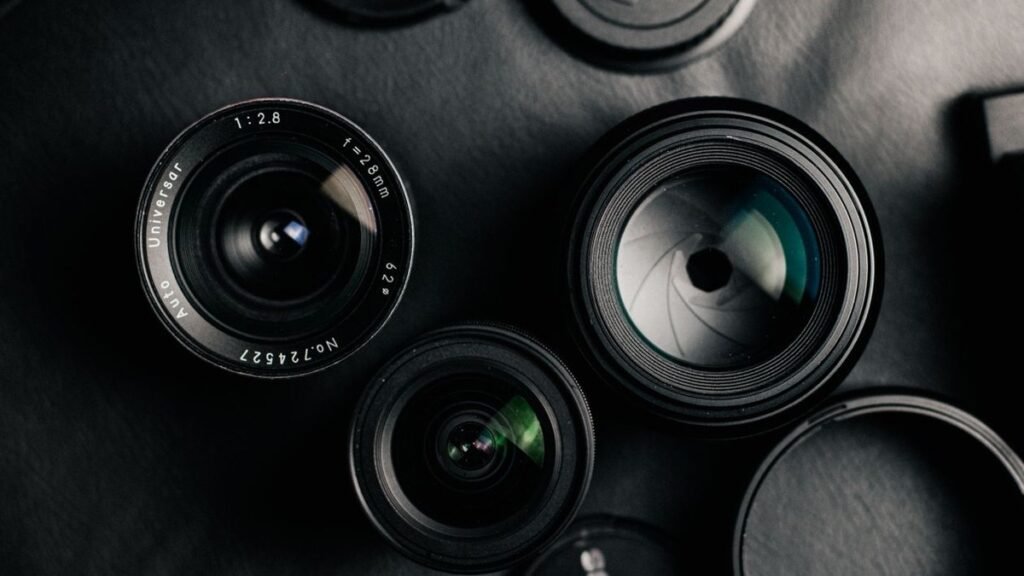
Here’s the secret camera companies don’t advertise: the best camera lenses for beginners improve your photos more than a new camera body ever will. The kit lens in the box is fine, but it’s slow in low light and can’t blur backgrounds the way the portraits you admire do. One good lens — often around $200 — changes what your camera can do overnight.
This guide covers five beginner-friendly lenses for 2026: the classic 50mm “nifty fifty” in Canon, Sony, and Nikon versions, a fast all-in-one zoom from Sigma, and a step-up standard zoom from Tamron.
Disclosure: This article contains affiliate links. As an Amazon Associate, we earn from qualifying purchases. We may also earn commissions from Daraz and AliExpress purchases made through links on this page, at no extra cost to you.
Lens Basics: What Beginners Actually Need to Know
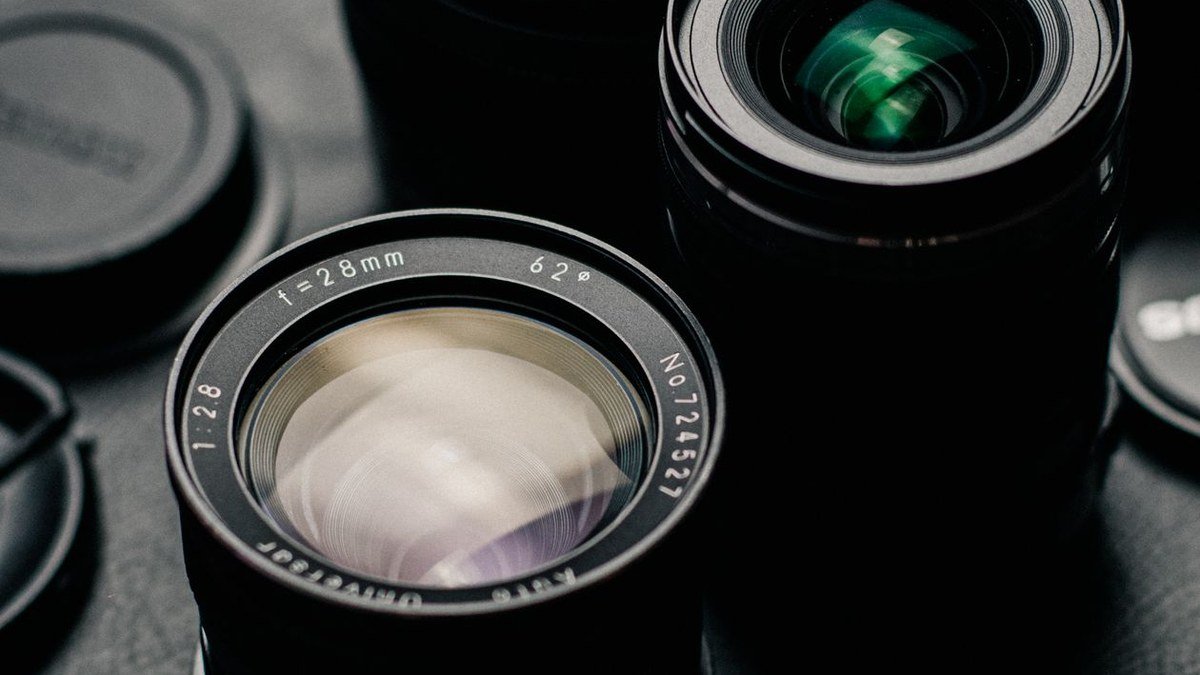
Two numbers define every lens: focal length and aperture. Focal length (in mm) sets how wide or zoomed the view is — 24mm is wide, 50mm is “normal,” 85mm+ is telephoto for portraits and distance. Aperture (the f-number) sets how much light enters: a low number like f/1.8 means more light and blurrier backgrounds; a high number like f/5.6 means less of both.
Prime lenses have one fixed focal length; zooms cover a range. Primes are usually sharper, cheaper, and better in low light — which is why the 50mm f/1.8 is every beginner’s first purchase. Zooms are more convenient since you never swap lenses. Neither is “better”; they’re different tools.
One critical buying rule: match the lens mount to your camera. Canon RF lenses fit Canon R-series bodies, Sony E lenses fit Sony bodies, Nikon Z lenses fit Nikon Z bodies — they’re not interchangeable. Still choosing a camera? Our guide to the best vlogging camera of 2026 covers bodies with good lens ecosystems.
How to Choose Your First Lens Upgrade
Buying lenses is where beginners either save hundreds or waste them. These four rules keep you on the right side.
1. Start with a fast prime
The 50mm f/1.8 — the “nifty fifty” — is the best value in photography. Around $200, sharp, excellent in low light, and it produces the creamy background blur kit lenses can’t. On APS-C cameras it behaves like a short portrait lens (~75mm equivalent) — ideal for people shots.
2. Match the mount, mind the sensor
Buy lenses made for your camera’s mount and sensor size. Full-frame lenses work on APS-C bodies (with a crop factor), but APS-C lenses don’t properly cover full-frame sensors. Shooting APS-C — likely, as a beginner — means crop-sensor lenses: smaller, lighter, and cheaper.
3. Third-party lenses are the value play
Sigma and Tamron now make lenses that rival first-party glass at lower prices, with full autofocus and stabilization support. Their standard zooms (like the Sigma 18-50mm f/2.8) rank among the smartest beginner purchases available. Don’t assume the camera brand’s own lens is automatically better.
4. Think about what you shoot
Portraits and low light? Get the 50mm f/1.8. Travel and everyday versatility? A standard zoom like 18-50mm f/2.8 covers wide to portrait in one lens. Wildlife or sports? You’ll want a telephoto zoom — a different (pricier) category. Good light helps every lens perform; see our best ring light for creators for affordable indoor lighting.
The Best Camera Lenses for Beginners in 2026
1. Canon RF 50mm f/1.8 STM — Best for Canon Shooters
The Canon RF 50mm f/1.8 STM is the lens every Canon beginner should own. At around $200, it’s the cheapest route to professional-looking background blur and genuinely good low-light performance from an EOS R-series camera. It’s small, light, and sharp — the classic nifty fifty, updated for mirrorless with Canon’s quiet STM autofocus motor that’s smooth enough for video too.
On Canon’s APS-C bodies (like the EOS R50), it behaves as a 75mm-equivalent portrait lens — flattering for faces and perfect for learning composition at a fixed focal length.
Pros: incredible value around $200; beautiful background blur; good in low light; compact and light.
Cons: plastic build; no weather sealing; fixed focal length takes adjustment.
Best for: Canon mirrorless owners buying their first prime lens.
2. Sony E 50mm f/1.8 OSS — Best for Sony Shooters
Sony’s E 50mm f/1.8 OSS is the nifty fifty for the E-mount system, with one meaningful extra: OSS optical stabilization built into the lens. That helps when shooting handheld video or stills in dim light on bodies without in-body stabilization — which describes most beginner Sony cameras.
Image quality is strong for the price (around $300), with pleasant background blur and solid sharpness once stopped down slightly. On Sony APS-C bodies it works as a 75mm-equivalent portrait lens. Pair it with a wireless mic for creators and you’ve got a complete budget video kit.
Pros: built-in stabilization; good low-light performance; affordable; quiet autofocus.
Cons: slightly pricier than Canon/Nikon equivalents; autofocus is decent, not class-leading.
Best for: Sony APS-C shooters wanting a stabilized portrait prime.
3. Nikon Z 40mm f/2 — Best for Nikon Shooters
Nikon took a slightly different path with the Z 40mm f/2: a touch wider than 50mm, a touch faster-feeling in use, and tiny enough to make any Z camera pocketable. At around $250, it’s Nikon’s answer to the nifty fifty — and many shooters prefer its 40mm field of view, which handles street, environmental portraits, and everyday shooting without feeling tight indoors.
The f/2 aperture still delivers lovely background blur and strong low-light performance, and the compact “pancake-ish” design means you’ll actually carry it. On DX bodies like the Z50II it’s a 60mm-equivalent — a versatile normal lens.
Pros: compact and light; versatile 40mm focal length; nice bokeh at f/2; affordable.
Cons: no stabilization; 40mm isn’t traditional 50mm framing; plastic mount.
Best for: Nikon Z owners who want a tiny everyday prime.
4. Sigma 18-50mm f/2.8 DC DN Contemporary — Best All-in-One Zoom
If you’d rather have one lens that does everything, the Sigma 18-50mm f/2.8 DC DN Contemporary is the smartest beginner zoom you can buy. It covers wide-angle to short telephoto (27–75mm equivalent on APS-C) at a constant f/2.8 — staying bright at every zoom setting, unlike kit lenses that darken as you zoom in.
It’s small, sharp, and available for Sony E, Fujifilm X, and Canon RF-S mounts at around $550. For travel and everyday shooting, this one lens replaces both the kit zoom and — in most situations — the need for a fast prime.
Pros: constant f/2.8 across the zoom range; compact for what it is; very sharp; great value.
Cons: no stabilization on some mounts; limited telephoto reach; costs more than a prime.
Best for: beginners wanting one versatile lens for travel and daily shooting.
Check Lens Deals on AliExpress
5. Tamron 28-75mm f/2.8 Di III VXD G2 — Best Step-Up Zoom
The Tamron 28-75mm f/2.8 Di III VXD G2 is the lens beginners graduate to — and plenty never need anything else. This second generation improved sharpness, close focusing, and autofocus speed over the already-popular original. At a constant f/2.8, it handles portraits, events, and low light with ease.
Built for full-frame Sony E and Nikon Z bodies (around $900), it’s a bigger investment — but it’s the kind of lens that stays in your bag through multiple camera upgrades. Keep your gear safe on the go with a sturdy setup from our phone stands and grips guide for stable shooting angles.
Pros: excellent sharpness and autofocus; constant f/2.8; close focusing; built to last.
Cons: priciest pick here; larger and heavier; overkill for casual shooters.
Best for: committed beginners ready for a long-term standard zoom.
Best Camera Lenses for Beginners: Comparison
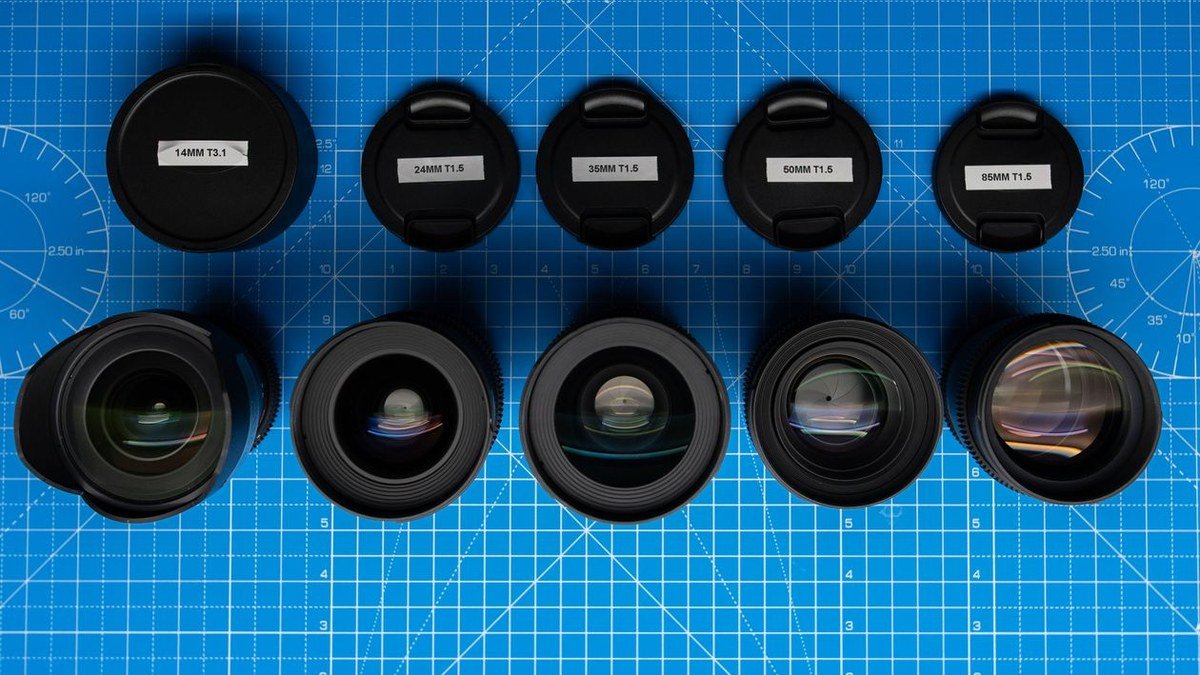
| Lens | Type | Mount | Approx. price | Best for |
|---|---|---|---|---|
| Canon RF 50mm f/1.8 STM | 50mm f/1.8 prime | Canon RF | ~$200 | Canon beginners |
| Sony E 50mm f/1.8 OSS | 50mm f/1.8 prime | Sony E | ~$300 | Sony beginners |
| Nikon Z 40mm f/2 | 40mm f/2 prime | Nikon Z | ~$250 | Nikon beginners |
| Sigma 18-50mm f/2.8 DC DN C | Standard zoom | Sony E / Fuji X / RF-S | ~$550 | One-lens travel |
| Tamron 28-75mm f/2.8 G2 | Standard zoom | Sony E / Nikon Z | ~$900 | Long-term zoom |
Frequently Asked Questions
What is the best first lens for a beginner?
A 50mm f/1.8 prime for your camera’s mount — Canon RF 50mm f/1.8 STM, Sony E 50mm f/1.8 OSS, or Nikon Z 40mm f/2. It’s affordable (around $200–$300), dramatically better than a kit lens in low light, and teaches composition because you zoom with your feet. No other single purchase improves photos this much.
Are third-party lenses as good as brand lenses?
Modern Sigma and Tamron lenses match or beat first-party glass in sharpness and autofocus for most uses, often at lower prices. The gap that existed a decade ago has closed. Just buy the correct mount version for your camera.
Should a beginner buy a prime or a zoom lens?
Buy the prime first — it’s cheaper and teaches you more. A 50mm f/1.8 forces you to think about framing and rewards you with beautiful blur. Add a versatile zoom like the Sigma 18-50mm f/2.8 second, once you know which focal lengths you actually use.
Do I need a full-frame lens for my APS-C camera?
No — and you shouldn’t pay for one as a beginner. Lenses designed for APS-C (like the Sigma 18-50mm f/2.8 DC DN) are smaller, lighter, and cheaper than full-frame equivalents. Full-frame lenses work on crop bodies, but you’re paying for glass coverage you can’t use.
How do I protect my lenses?
Keep front and rear caps on when not shooting, use a lens hood (it blocks flare too), and clean glass only with a blower and microfiber cloth — never your shirt. A cheap UV filter works as a sacrificial front element for rough conditions. Store lenses upright in a padded bag and they’ll last decades.
Final Verdict
The best camera lens for beginners is the 50mm f/1.8 made for your camera: the Canon RF 50mm f/1.8 STM (~$200), Sony E 50mm f/1.8 OSS (~$300), or Nikon Z 40mm f/2 (~$250). It’s the single biggest image-quality upgrade per dollar in photography. Rather have one lens for everything? The Sigma 18-50mm f/2.8 DC DN Contemporary (~$550) is the versatile zoom to get, and the Tamron 28-75mm f/2.8 G2 (~$900) is the buy-once standard zoom for committed shooters. Match your mount, start with the prime, and watch your photos change.
Where to Buy: Compare Prices on Daraz · Check AliExpress Price
Check the price on AliExpress — the global marketplace with millions of tech products.
As an AliExpress affiliate, we may earn a commission on qualifying purchases.