
If you think the best vlogging camera needs to look like a traditional camera, the DJI Osmo Pocket 3 for vlogging might change your mind. It’s a tiny camera on a tiny motorized gimbal — small enough to slip into a pocket, yet capable of buttery-smooth stabilized footage that phones and conventional cameras can’t match without extra gear. Nearly three years after launch, it remains one of the most recommended creator cameras in existence, and with Pocket 4 rumors pushing prices down, it’s arguably a better buy now than ever.
This guide explains why the Pocket 3 works so well for vlogging, where its limits are, how it compares to just using your phone or stepping up to a mirrorless camera, and whether you should buy now or wait. Film yourself, walk while you talk, or travel light? Keep reading.
Why the Osmo Pocket 3 Works So Well for Vlogging
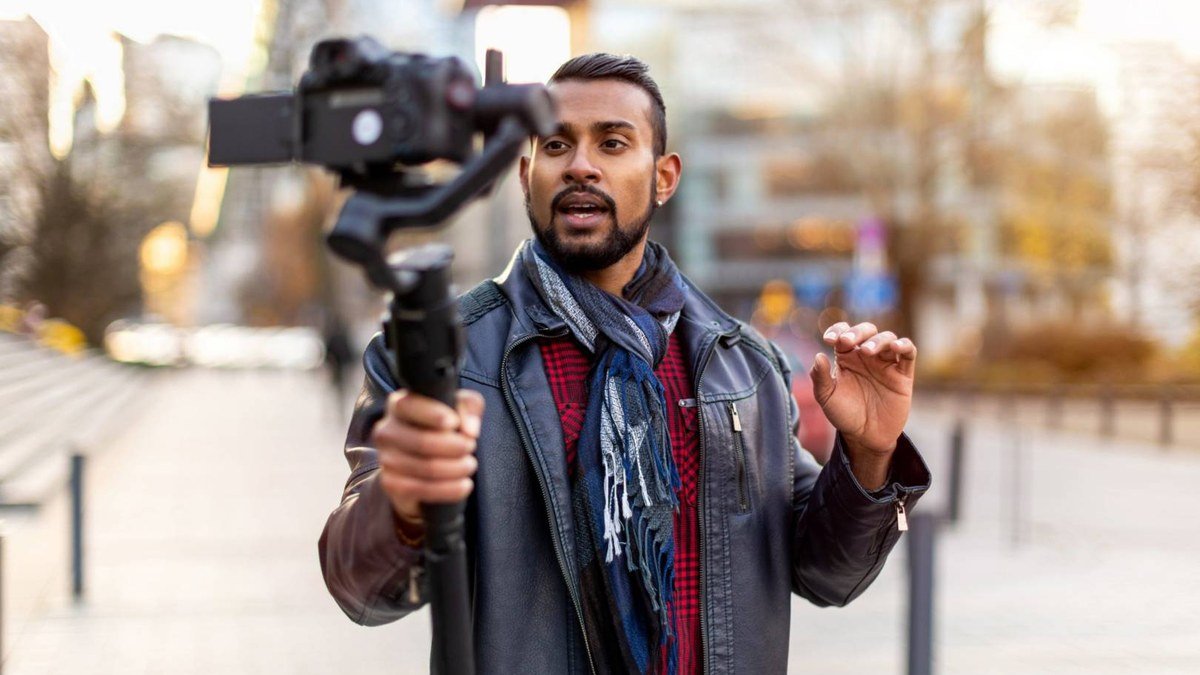
The magic is two things: a Type 1 (1-inch) sensor and a 3-axis mechanical gimbal. The sensor is large for something this small — strong detail and respectable low-light performance. The gimbal physically stabilizes the camera: not software cropping like your phone, but actual motors counteracting your movement. Walking vlogs, travel footage, handheld talking-head shots — they come out remarkably smooth.
It’s also designed for solo creators from the ground up. The 2-inch touchscreen rotates to switch between 4K horizontal video and vertical 3K for TikTok, Instagram Reels, and Shorts. A small joystick controls the gimbal, ActiveTrack keeps you framed while you move, and tapping the screen flips between front and rear views. The Creator Combo adds a DJI Mic 2 transmitter, battery handle, wide-angle lens, mini tripod, and carrying case — essentially a complete vlogging kit in a pouch.
And maybe the biggest advantage is the simplest: you’ll actually carry it. A mirrorless camera with a gimbal stays in the hotel room; the Pocket 3 stays in your pocket, ready when something interesting happens. For creators, the best camera is the one that’s there.
How to Decide If You Need a Pocket Gimbal Camera
1. What do you film most?
Walking vlogs, travel content, day-in-the-life videos, real-estate walkthroughs, food content: the Pocket 3 is close to ideal. Sit-down talking-head videos in a fixed studio? Your phone or webcam is probably fine, and a mirrorless camera gives you nicer depth of field. Match the tool to the footage.
2. Phone vs. Pocket 3: is the upgrade real?
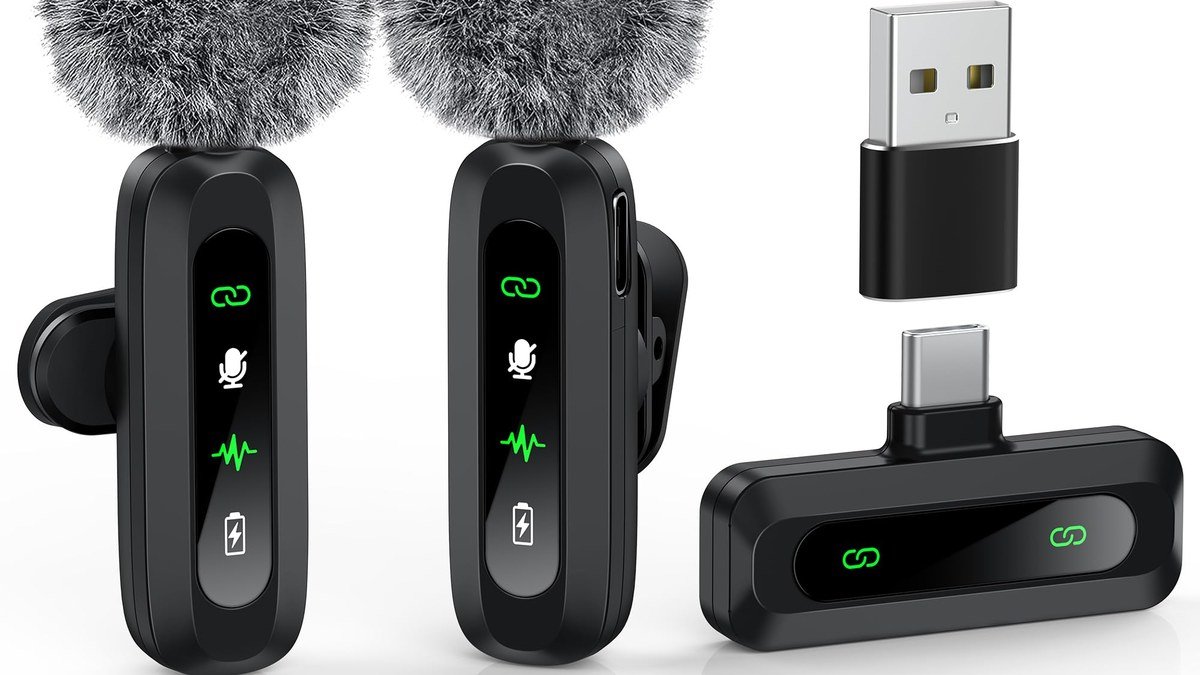
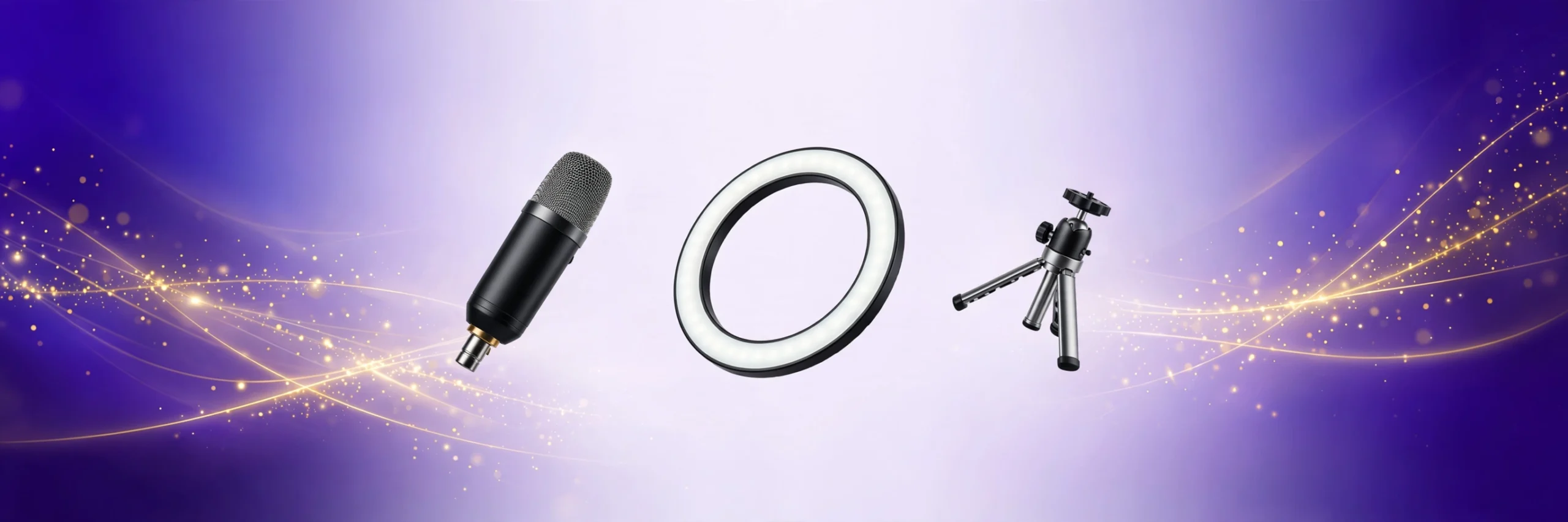
Modern flagship phones shoot excellent video — for static or well-lit scenes, the gap is small. The Pocket 3 pulls ahead when you’re moving (the mechanical gimbal beats phone stabilization, especially in low light), when you want 4K/120fps slow motion, and when you want 10-bit D-Log M color for grading. Only film occasional clips in good light? Save your money. Film often, walk while you talk, or shoot in dim restaurants and streets? The difference is real. And good audio matters as much as the camera — pair it with a proper wireless mic for creators and your videos will feel twice as professional.
3. Pocket 3 vs. mirrorless: know the trade
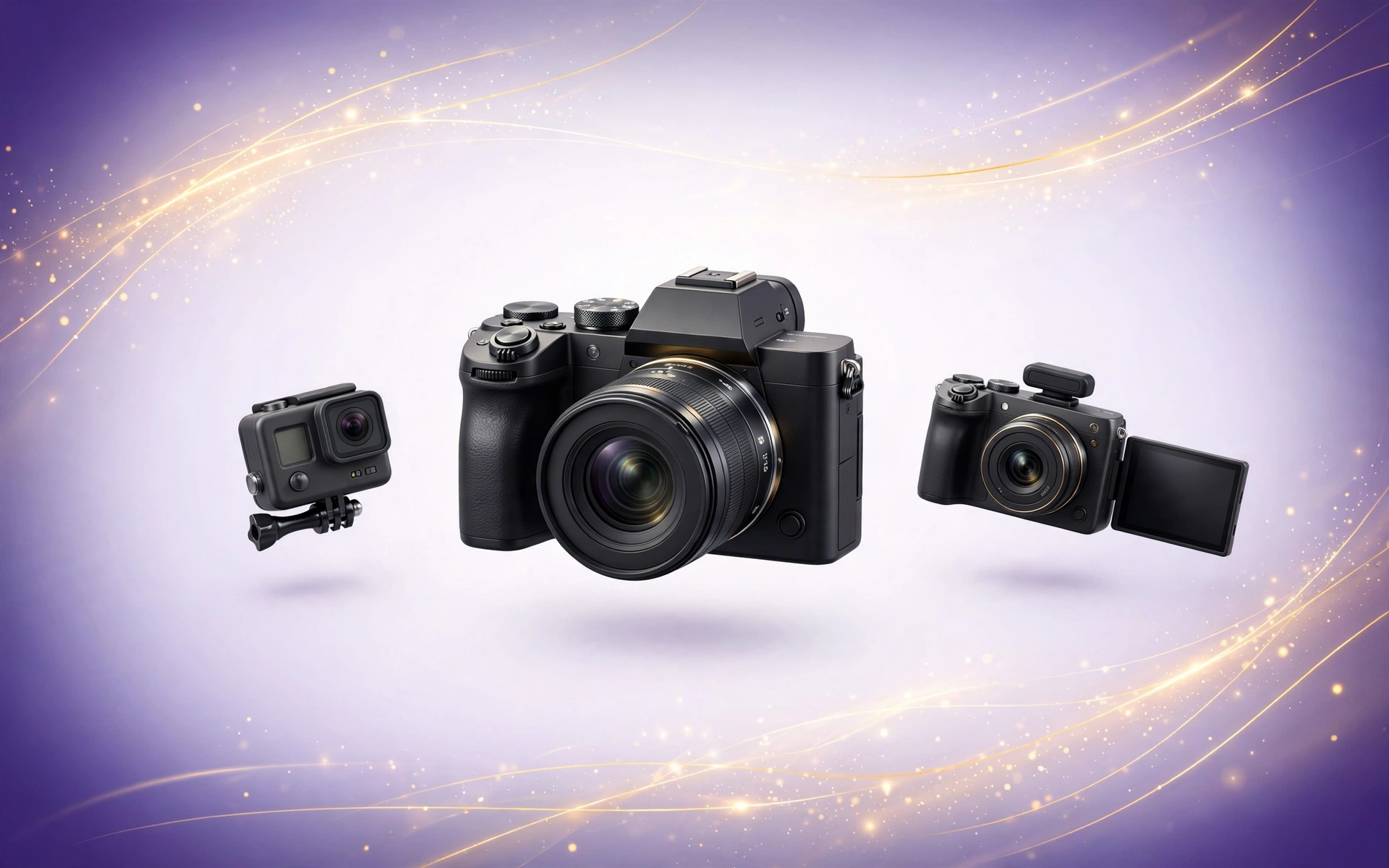
A mirrorless camera wins on image quality, low light, shallow depth of field, and lens choice — no contest. It also weighs kilograms, needs a separate gimbal for smooth walking shots, and costs multiples more once you add lenses. The Pocket 3 wins on portability, speed, and simplicity. Many creators own both: mirrorless for planned shoots, Pocket 3 for everything else.
4. Should you wait for the Pocket 4?
Rumors suggest a Pocket 4 is coming, and the Pocket 3 is currently at some of its lowest prices ever (the Creator Combo has dropped significantly). The 3 remains “class-leading” by most reviewers’ assessment. Unless you specifically want whatever the next generation adds, buying the discounted 3 is the rational move — it’s a mature, well-supported product, not a stopgap.
DJI Osmo Pocket 3 for Vlogging: Which Version to Buy
DJI Osmo Pocket 3 (standard)
The camera itself: 1-inch CMOS sensor, 3-axis gimbal, 2-inch rotating touchscreen, 4K/120fps video, 10-bit D-Log M and HLG, ActiveTrack 6.0, and DJI Mic compatibility. Everything that makes it great for vlogging is in the base unit. The autofocus uses contrast detection, so it can occasionally hunt — face detection helps a lot for talking-head work, but it’s not flawless. The smaller sensor also means it performs best with decent light; don’t expect cinematic low-light miracles.
Pros:
- Gimbal stabilization no phone can match
- Genuinely pocketable — you’ll actually carry it
- 1-inch sensor delivers strong image quality for the size
- Rotating screen makes vertical video effortless
Cons:
- Contrast-detect autofocus can hunt
- Fixed lens; no optical zoom
Best for: Travel vloggers, walking vloggers and creators who want stabilized footage without a rig.
DJI Osmo Pocket 3 Creator Combo
The base camera plus a DJI Mic 2 transmitter, battery handle (extra runtime), magnetic wide-angle lens, mini tripod, and carrying bag. If audio matters to you — and it should — this is the version to buy. The included mic transmitter solves the Pocket 3’s weakest link (built-in audio) in one box, and the wide-angle lens is genuinely useful for handheld vlogging. With current discounts, the combo is often the best value.
Pros:
- Complete vlogging kit in one purchase
- DJI Mic 2 transmitter included — pro-grade audio
- Often discounted to near the standard’s old price
Cons:
- Higher upfront cost than the base unit
- More accessories to carry and keep track of
Best for: Serious creators who want the full setup from day one.
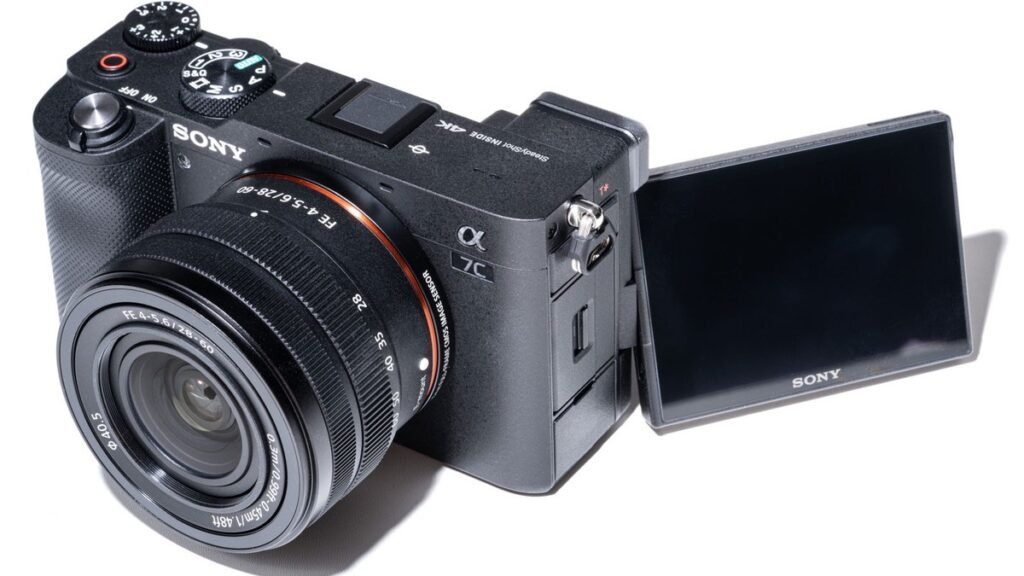
The step-up alternative: a mirrorless camera (e.g. Nikon ZR class)
If your priority is professional low-light performance, RAW video, or very shallow depth of field, you need a larger camera. Something in the Nikon ZR class — 6K RAW recording, interchangeable lenses, a proper sensor — is in a completely different league, at a completely different price and weight. This isn’t a competitor to the Pocket 3; it’s the tool for when the Pocket 3’s limits actually bind you.
Pros:
- Vastly better low light, depth of field and lens options
- Professional codecs and color
Cons:
- Expensive, heavy, and needs a separate gimbal for smooth movement
- Overkill for daily vlogging and short-form content
Best for: Filmmakers and pros whose work demands maximum image quality.
Pocket 3 vs Phone vs Mirrorless
| Option | Stabilization | Portability | Image quality | Best for |
|---|---|---|---|---|
| DJI Osmo Pocket 3 | 3-axis mechanical gimbal | Pocketable | Very good (1-inch sensor) | Vloggers on the move |
| Flagship phone | Software/EIS | Always with you | Very good in good light | Casual clips |
| Mirrorless camera | Needs separate gimbal | Bulky | Best | Pro work, low light |
As an Amazon Associate I earn from qualifying purchases.
Osmo Pocket 3 FAQs
Is the DJI Osmo Pocket 3 still worth buying in 2026?
Yes — arguably more than ever. It’s nearly three years old but remains class-leading for pocket gimbal cameras, it’s heavily discounted amid Pocket 4 rumors, and the ecosystem (mics, mounts, accessories) is mature. Unless you need the next generation’s specific upgrades, the current discounts make it the rational buy.
Can the Pocket 3 replace my phone for vlogging?
For dedicated vlogging sessions, it beats a phone: better stabilization, better low light, 4K/120fps, 10-bit color. But your phone is always with you, edits on-device, and uploads instantly. Most creators use both — Pocket 3 for planned content, phone for spontaneous clips. A teleprompter app on your phone pairs nicely with the Pocket 3 for scripted pieces.
How’s the battery life?
It depends heavily on settings — 4K/120fps drains faster than 4K/30. For a full day of shooting, the Creator Combo’s battery handle or a small power bank is wise. It charges fast over USB-C, so top-ups between locations are practical. This is one area where a phone (all-day battery, power banks everywhere) still has an edge.
Do I need the Creator Combo or is the base enough?
Buy the Creator Combo if audio matters — and for vlogging, audio matters enormously. The included DJI Mic 2 transmitter alone justifies the premium, and the wide-angle lens and tripod get constant use. If you’re purely experimenting, the base unit plus your phone’s earbuds mic can work to start. Also consider lighting: a good ring light improves indoor footage more than any camera upgrade.
What memory card does it need?
The Pocket 3 has no built-in storage for recording — you need a microSD card, V30/U3 or faster. A 128GB card is the practical sweet spot for 4K footage. And back everything up: a fast portable SSD is the safest home for footage you can’t reshoot.
Final Verdict: DJI Osmo Pocket 3
The DJI Osmo Pocket 3 for vlogging remains the sweet spot it always was: a 1-inch sensor and a real 3-axis gimbal in something that fits in your pocket. It’s not for everyone — studio creators can stick with phones, pros need mirrorless — but for travel vloggers, walking vloggers, and solo creators, nothing else offers this combination of smoothness, simplicity, and portability. With prices at historic lows, there’s never been a better time to buy one. Just add a microSD card, a mic, and something worth filming.
Affiliate Disclosure: This article contains affiliate links. If you purchase through them, we may earn a commission at no extra cost to you.
Where to Buy: Check Price on Amazon · Compare Prices on Daraz · Check Daraz Deals · Check AliExpress Price · See AliExpress Deals
Check the price on AliExpress — the global marketplace with millions of tech products.
As an AliExpress affiliate, we may earn a commission on qualifying purchases.










Pingback: Wireless Mic with 32-Bit Float: DJI Mini 2S