Best 360 Cameras of 2026: 5 Picks for Immersive Video
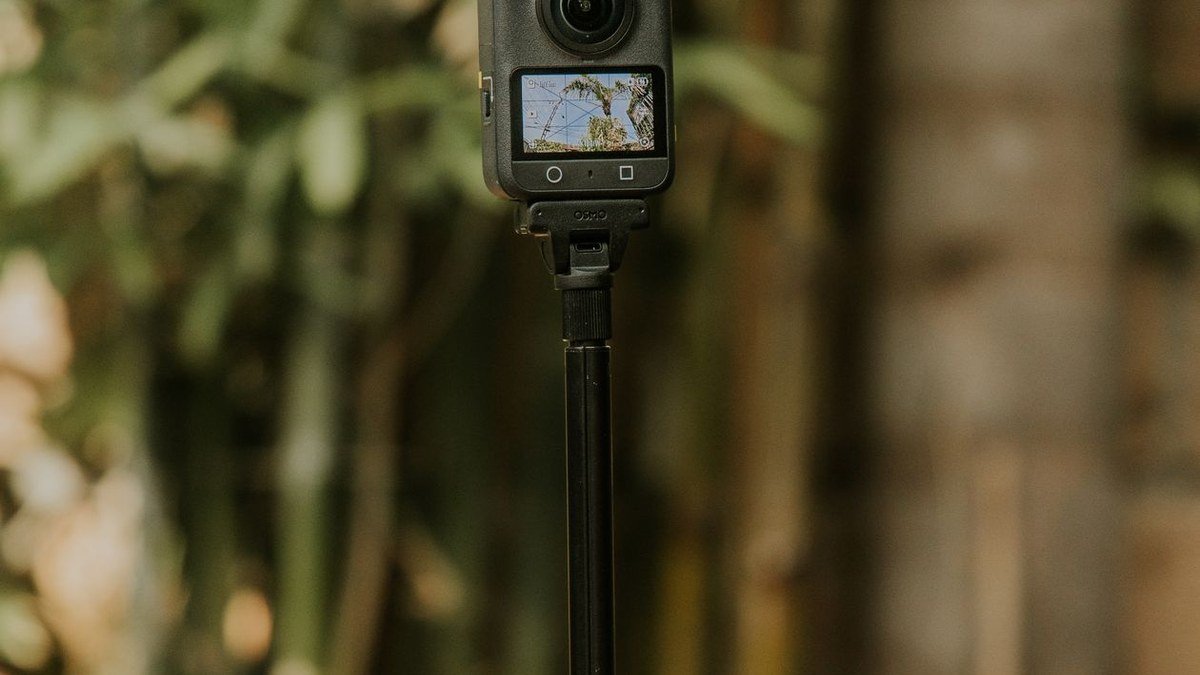
The best 360 cameras of 2026 capture everything — literally. Two fisheye lenses record the full sphere around you, so you never miss the moment because you pointed the camera the wrong way. Afterward, you reframe: pick any angle, follow the action, or export a traditional flat video. It’s like carrying a camera crew in one hand.
Here are five 360 cameras for 2026: the all-around champion, its cheaper sibling, DJI’s serious contender, GoPro’s rugged option, and a pro-oriented pick for virtual tours.
Disclosure: This article contains affiliate links. As an Amazon Associate, we earn from qualifying purchases. We may also earn commissions from Daraz and AliExpress purchases made through links on this page, at no extra cost to you.
What Is a 360 Camera, and Why Would You Want One?
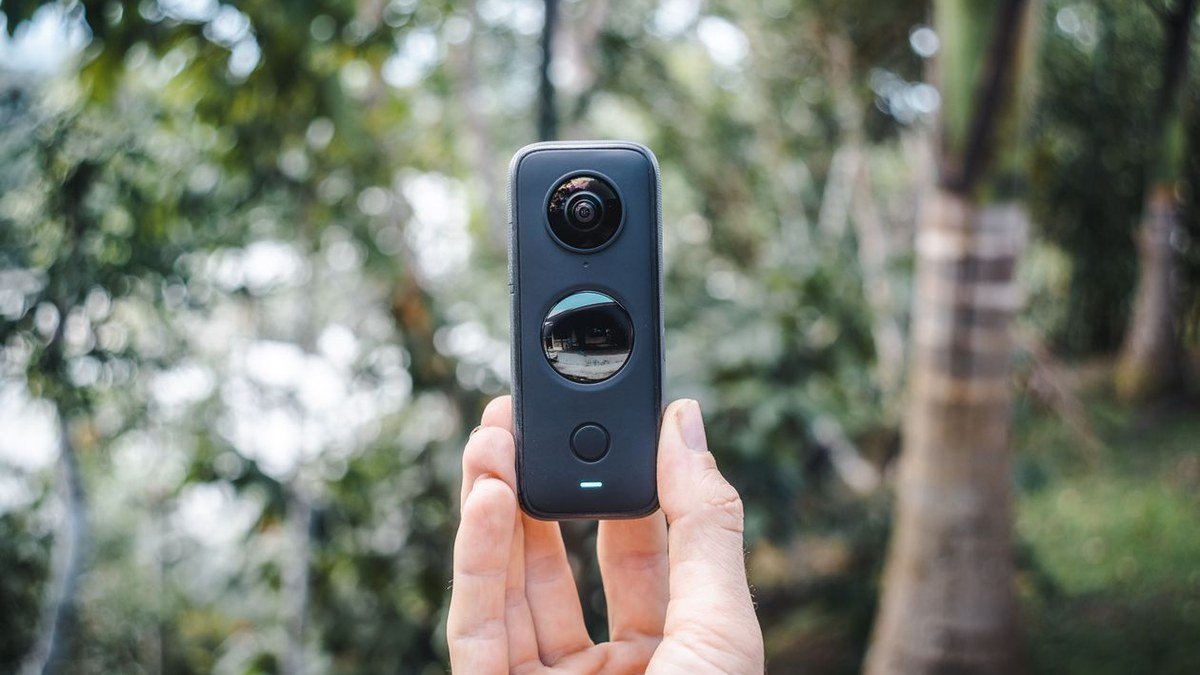
A 360 camera uses two (or more) ultra-wide lenses pointing in opposite directions to record the entire environment at once. Software stitches the feeds into a single spherical video you can explore by dragging — on YouTube, in VR headsets, or in a phone app. The magic trick is reframing: shoot first, choose your angles later in editing.
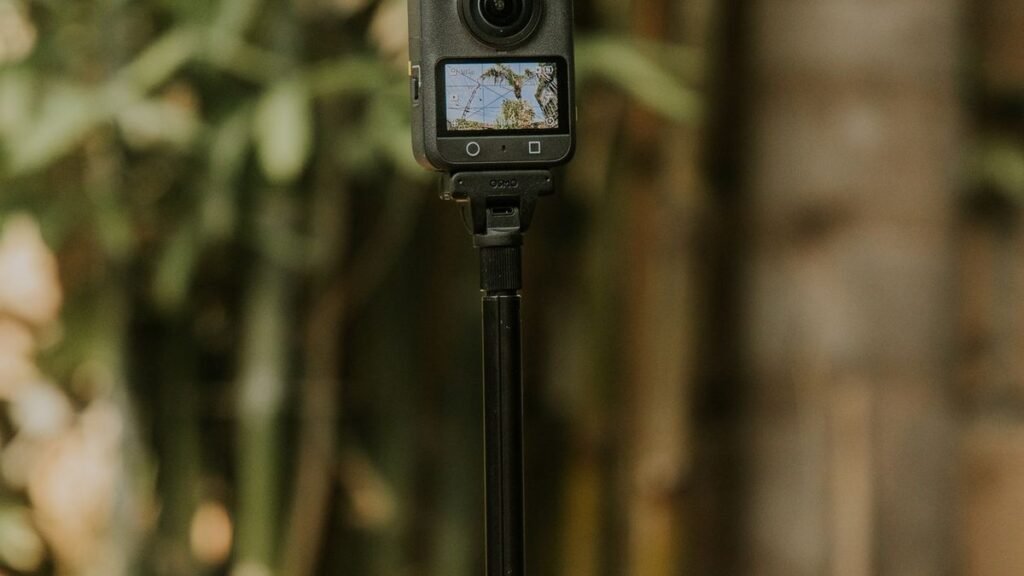
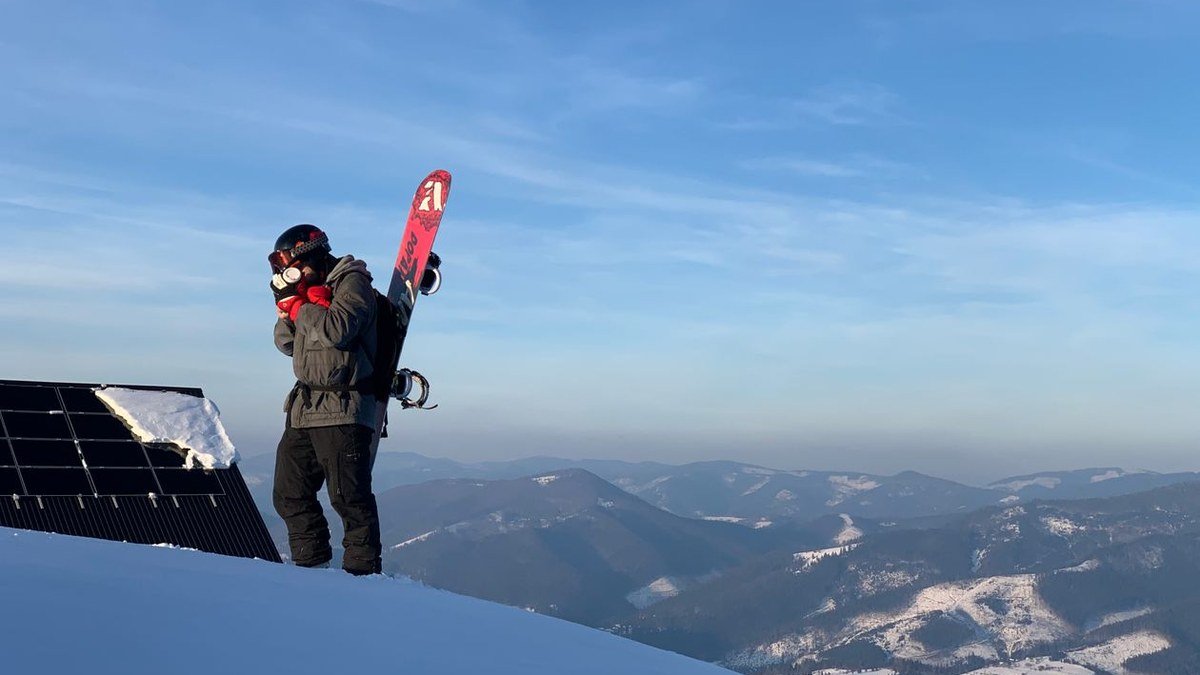
That makes 360 cameras uniquely forgiving for action and travel. Mountain biking, skiing, road trips, family gatherings — moments you can’t re-stage get captured no matter where the action happens. The famous “invisible selfie stick” effect (the stick is automatically erased from footage) produces drone-like third-person shots with zero drone hassle or regulation.
The best 360 cameras of 2026 also moonlight as regular action cameras: most shoot single-lens wide-angle video too, replacing a GoPro for many users. Resolution numbers look huge (5.7K, 8K) because those pixels wrap the whole sphere — reframed flat video lands around 1080p to 4K quality. If video is your main interest, our guide to the best vlogging camera of 2026 covers traditional options as well.
How to Choose a 360 Camera
360 cameras look alike, but sensor size, software, and durability separate the winners. Here’s what to weigh.
1. Resolution and reframed quality
Total resolution (5.7K, 8K) describes the whole sphere — what matters is the quality of the reframed flat video you actually share. Bigger sensors and better stitching produce cleaner reframed footage, especially in low light. Don’t chase the biggest number; look for good low-light performance and sharp detail in sample footage.
2. Stabilization is non-negotiable
360 footage gets reframed and rotated aggressively in editing, so electronic stabilization has to be excellent — and on modern 360 cameras, it is. FlowState-style stabilization (Insta360) and RockSteady (DJI) both deliver gimbal-smooth results. This is one spec where the whole category is strong; just avoid no-name cameras with unproven stabilization.
3. Software and editing workflow
You’ll spend as much time in the companion app as shooting. Good 360 apps offer AI-assisted reframing, subject tracking, and easy exports to flat video — bad ones turn editing into a chore. Insta360’s app is the category benchmark; DJI’s Mimo app is solid too. Check that the app supports your phone before buying.
4. Durability, battery, and waterproofing
Those exposed fisheye lenses scratch easily — lens guards are essential accessories. For action use, check waterproof depth ratings and drop resistance. Batteries run 60–90 minutes of 360 recording; a compact power bank stretches shoot days, and most cameras charge over USB-C between takes.
The Best 360 Cameras of 2026
1. Insta360 X5 — Best Overall 360 Camera
The Insta360 X5 is the best 360 camera you can buy in 2026. Larger sensors than its predecessor deliver noticeably better low-light footage — the traditional weakness of 360 cameras — and 8K 360 recording gives reframed exports more detail to work with. The lenses are now user-replaceable, fixing the category’s biggest durability headache: a scratched lens no longer means a dead camera.
Insta360’s software remains the best in the business: AI reframing, subject tracking, and the invisible selfie stick effect all run smoothly in the app. At around $550 it’s the premium pick — but also the complete package: action camera, 360 camera, and vlogging tool in one. For creators, pairing it with a wireless mic for creators covers the audio side too.
Pros: best low-light 360 footage; replaceable lenses; superb app and AI editing; 8K recording.
Cons: priciest mainstream option; 8K files are huge; accessories add up.
Best for: anyone who wants the best 360 quality available right now.
2. Insta360 X4 — Best Value 360 Camera
The Insta360 X4 is last year’s flagship at this year’s friendlier price — around $500, and often less on sale. You still get 8K 360 video, excellent FlowState stabilization, the invisible selfie stick effect, and the same great app as the X5. For daylight action and travel, the footage is barely distinguishable from its successor.
Where the X5 pulls ahead is low light and lens replaceability — meaningful, but not worth the premium for everyone. If most of your shooting happens outdoors in good light, the X4 delivers 90% of the experience for less money. Our pick for value-conscious buyers who still want flagship features.
Pros: flagship features at a lower price; great stabilization; excellent app; proven reliability.
Cons: weaker low light than X5; lenses not user-replaceable; still not cheap.
Best for: value buyers who shoot mostly in daylight.
3. DJI Osmo 360 — Best Alternative to Insta360
DJI’s Osmo 360 is the first 360 camera that genuinely challenges Insta360’s dominance. DJI brought its drone-camera expertise: large 1-inch sensors, strong low-light performance, and 8K 360 recording, plus excellent RockSteady stabilization. The square-ish body also runs cooler during long recording sessions — a real advantage for extended shoots.
The Mimo app is polished, magnetic mounting matches DJI’s action-camera ecosystem, and around $430–$500 pricing undercuts the X5. Already in DJI’s ecosystem, or just want the strongest Insta360 alternative? This is it. The 360 camera duopoly is officially over.
Pros: large 1-inch sensors; strong low light; competitive price; DJI ecosystem integration.
Cons: newer platform with fewer accessories; app not quite as mature as Insta360’s.
Best for: DJI fans and anyone wanting top-tier 360 without Insta360.
4. GoPro Max (2025) — Best Rugged 360 Camera
The refreshed GoPro Max (2025) brings GoPro’s legendary toughness to 360. It’s waterproof, drop-resistant, and uses the familiar GoPro mounting system — if your 360 camera will live on helmets, handlebars, and surfboards, this is the one built for abuse. The Quik app handles reframing, and single-lens “Hero mode” works as a regular wide-angle action camera.
Image quality trails the Insta360 X5 and DJI Osmo 360, especially in low light — GoPro prioritized durability and simplicity over sensor size. But at around $349 it’s the cheapest reputable 360 camera here, and for pure action use, ruggedness beats resolution. Mount it anywhere with confidence; see our phone stands and grips guide for mounting ideas that work across cameras.
Pros: tough and waterproof; familiar GoPro mounts; affordable; simple to use.
Cons: image quality behind rivals; weaker low light; smaller accessory ecosystem for 360.
Best for: action sports where the camera will take hits.
Check Camera Deals on AliExpress
5. Ricoh Theta X — Best for Virtual Tours and Business
The Ricoh Theta X plays a different game: it’s the 360 camera for real estate agents, virtual tour creators, and businesses rather than action. A touchscreen for standalone operation, GPS and long battery life for mapping work, and plug-ins that extend functionality make it a tool, not a toy. It captures sharp 360 stills that stitch cleanly — exactly what virtual tours need.
It’s not an action camera — no waterproofing for extreme sports, and video features lag the Insta360/DJI options. But at around $800, businesses get a purpose-built device with Ricoh’s long Theta track record. If your goal is Matterport-style tours, rental listings, or Street View contributions, this is the specialist pick.
Pros: touchscreen standalone operation; excellent 360 stills; business-focused features; proven platform.
Cons: expensive; not for action sports; video lags behind rivals.
Best for: real estate, virtual tours, and business 360 work.
Best 360 Cameras: Comparison
| Camera | Max 360 resolution | Approx. price | Standout feature | Best for |
|---|---|---|---|---|
| Insta360 X5 | 8K | ~$550 | Low light + replaceable lenses | Best overall |
| Insta360 X4 | 8K | ~$500 | Flagship features, lower price | Best value |
| DJI Osmo 360 | 8K | ~$450 | 1-inch sensors, cool running | Best alternative |
| GoPro Max (2025) | 5.6K | ~$349 | Rugged + waterproof | Action sports |
| Ricoh Theta X | 5.7K stills | ~$800 | Touchscreen, tour features | Virtual tours |
Frequently Asked Questions
What is a 360 camera used for?
Action sports, travel, vlogging, virtual tours, and real estate — anywhere you want to capture everything and choose angles later. The invisible selfie stick effect also creates drone-like third-person shots without a drone. Many owners use them as regular action cameras too, since most shoot standard wide-angle video as well.
Can 360 cameras replace a GoPro?
For many people, yes. Cameras like the Insta360 X5 and DJI Osmo 360 shoot single-lens wide-angle video comparable to an action camera, plus full 360 when you want it. If your use is exclusively rugged action sports, a dedicated GoPro (or the GoPro Max) still makes sense for toughness and simplicity.
How do you edit 360 video?
In the camera’s companion app: import the 360 file, use keyframes or AI tracking to choose your angles, and export as a flat 1080p or 4K video. Insta360’s app is the easiest to learn; the basic workflow takes minutes. Desktop software (Premiere, DaVinci) also supports 360 reframing for advanced edits.
Are 360 cameras waterproof?
Most are water-resistant to around 10 meters without a case — fine for rain, pools, and splashes. For diving or heavy surf, use the manufacturer’s dive case.
Do I need special accessories for a 360 camera?
An invisible selfie stick is the essential accessory — it’s what creates those floating-camera shots. Lens guards protect the vulnerable fisheye lenses, and a spare battery or compact power bank extends shoot days. Beyond that, standard action-camera mounts cover most uses.
Final Verdict
The Insta360 X5 (~$550) is the best 360 camera of 2026 — best image quality, best app, and now with replaceable lenses. The Insta360 X4 (~$500) is the value pick for daylight shooters, the DJI Osmo 360 (~$450) is the strongest alternative with its big 1-inch sensors, the GoPro Max (~$349) is the rugged budget choice for action sports, and the Ricoh Theta X (~$800) serves virtual-tour professionals. Pick based on where you’ll shoot: low light and quality favor the X5, abuse favors the GoPro, and business use favors the Theta.
Where to Buy: Compare Prices on Daraz · Check AliExpress Price
Check the price on AliExpress — the global marketplace with millions of tech products.
As an AliExpress affiliate, we may earn a commission on qualifying purchases.