Best Camera Phones of 2026: 5 Picks for Every Budget
Finding the best camera phones of 2026 is easier and harder than ever. Easier, because mid-range phones now shoot photos that would have embarrassed flagships five years ago. Harder, because the top cameras differ in processing style, zoom reach, and video quality — things no spec sheet can tell you.
So we focused on what actually matters in 2026: low-light performance, usable zoom range, video quality, and value at each price. Below: five camera phones worth buying, from a $499 budget standout to the $1,299 flagship that does everything.
Disclosure: This article contains affiliate links. As an Amazon Associate, we earn from qualifying purchases. We may also earn commissions from Daraz and AliExpress purchases made through links on this page, at no extra cost to you.
How Camera Phones Win in 2026: It’s the Processing, Not the Pixels
The headline number on a spec sheet — 48MP, 50MP, 200MP — tells you surprisingly little about photo quality in 2026. What matters is what the phone does with those pixels. Computational photography — merging multiple exposures, killing noise, balancing highlights — is now the single biggest factor in how good your photos look.
Three things matter most. First, a proper telephoto lens (3x optical or longer) — this is what separates flagships from pretenders for portraits and travel. Second, video quality: check stabilization and dynamic range, because still-photo rankings ignore video. Third, consistency — the best camera phones deliver in all kinds of light, not just perfect daylight. Want to push mobile photography further with add-on optics? Our guide to the best phone lenses of 2026 is worth a read.
Buying Guide: What to Check Before You Buy a Camera Phone
1. Sensor size matters more than megapixels
A larger sensor collects more light: cleaner night shots, more natural background blur. A 50MP photo from a large sensor beats a 200MP photo from a small one in low light. High-resolution sensors like Samsung’s 200MP do have one real trick — deep cropping that keeps detail, genuinely useful for wildlife and sports.
2. Look for a dedicated telephoto lens
Most camera phones shoot decent wide photos; the gap opens when you zoom. Periscope telephoto lenses (5x optical or more) stay sharp at long range, while phones without one fall back on digital zoom that smears detail. For kids’ games, concerts, or travel, a real telephoto is the feature worth paying for.
3. Don’t sleep on video
Camera rankings are built on stills, but you probably film plenty of video too. Look for 4K at 60fps with strong stabilization as the baseline, and check low-light video quality. If video is your main thing, some phones are meaningfully better — and it isn’t always the top still-photo pick. For serious filming, see our best vlogging camera of 2026 guide.
4. Match the processing style to your taste
Samsung leans vivid and punchy; Google leans natural and balanced; Apple sits in the middle with accurate skin tones. None is objectively right — look at sample photos and pick the default look you like, because you’ll be staring at it thousands of times.
Our Picks: The Best Camera Phones of 2026
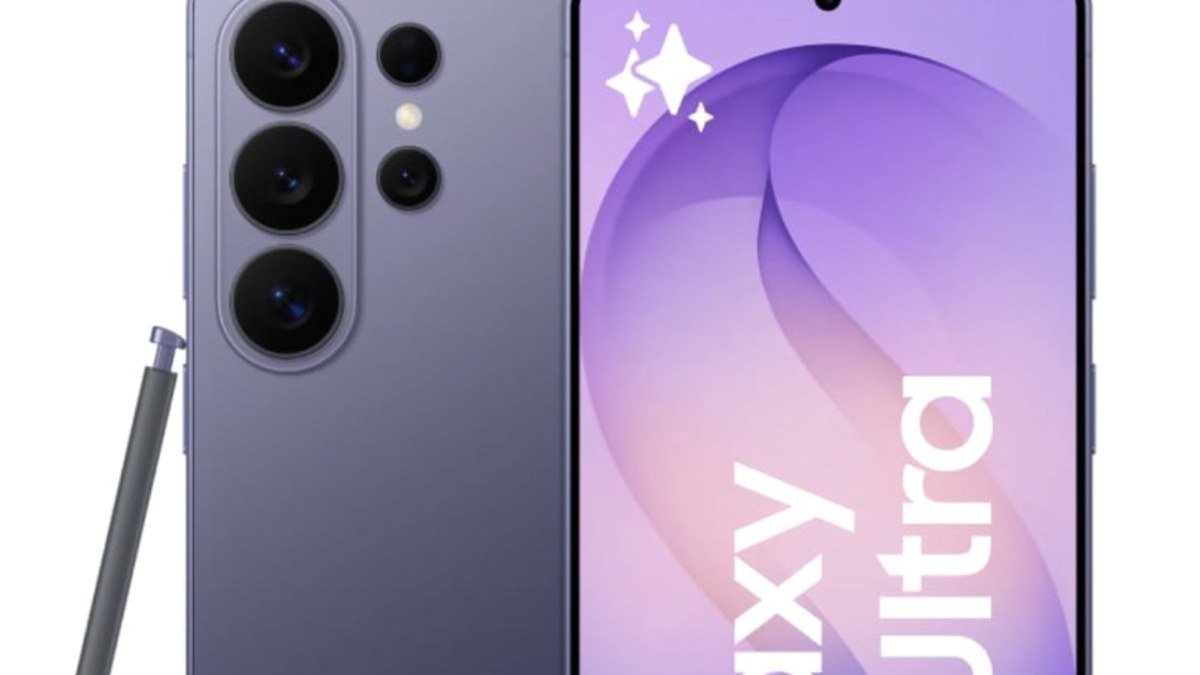
1. Samsung Galaxy S26 Ultra — Best Overall Camera Phone
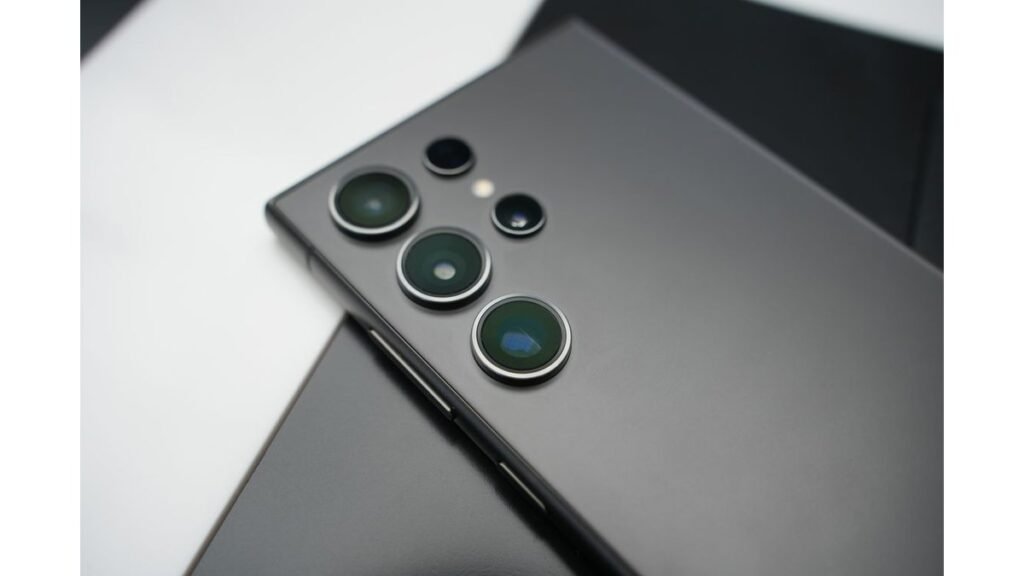
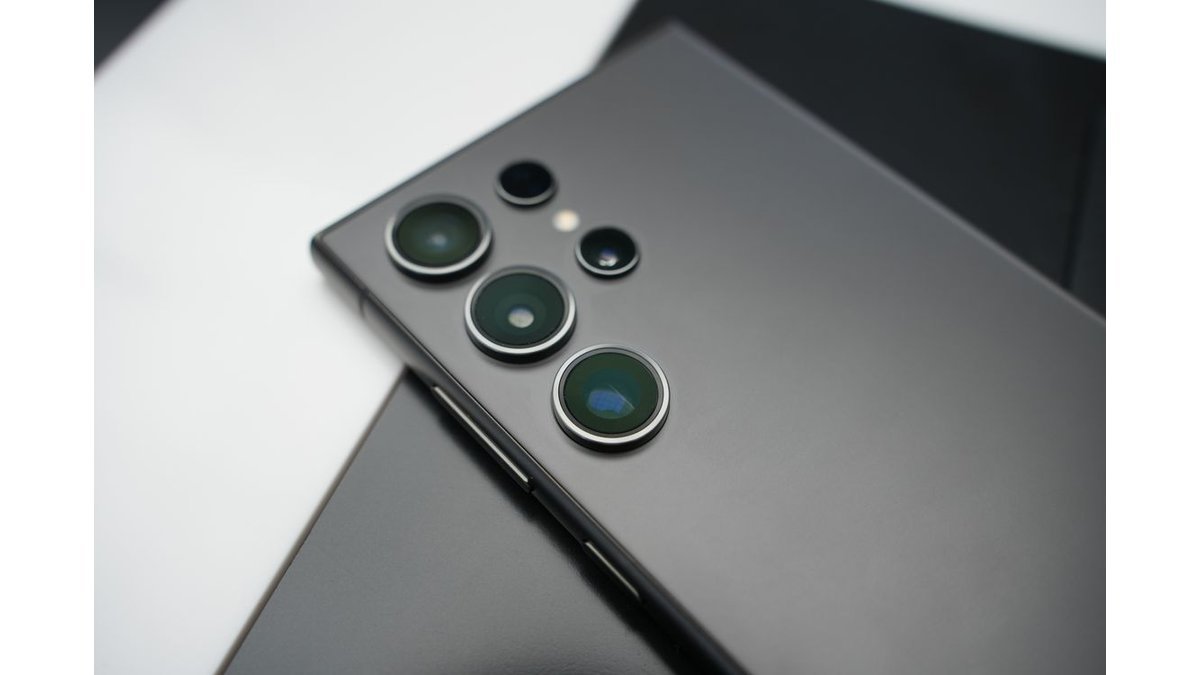
The Galaxy S26 Ultra is our pick for the best camera phone of 2026 for most people, because it covers more shooting situations than anything else. The 200MP main sensor with a wider f/1.4 aperture pulls in more light for cleaner night shots, and the dual telephoto setup — a 10MP 3x and a 50MP 5x periscope — gives real optical reach from portraits to distant subjects. No other phone at a US carrier store covers this many focal lengths this well.
Video is strong too — up to 8K, 4K at 120fps, and stabilization that holds up while walking. The trade-off is processing: colors can look punchier than some photographers like. At around $1,299 it’s the priciest pick here, but also the most complete camera system in a phone.
Pros: Most versatile zoom system of any phone; huge 200MP sensor great for cropping; strong video specs; long software support.
Cons: Expensive; colors can look over-processed; large and heavy.
Best for: Travelers and enthusiasts who want every focal length in one phone.
2. iPhone 17 Pro Max — Best Camera Phone for Video
If video matters as much as stills, the iPhone 17 Pro Max is the phone to beat. Apple’s triple 48MP rear cameras deliver consistent color and exposure across lenses, and its video — 4K Dolby Vision up to 120fps with excellent stabilization — is widely considered the mobile benchmark. The 18MP Center Stage front camera is also the best selfie shooter of the bunch.
For stills, the 48MP main and 4x telephoto produce natural colors and reliable portraits. What you don’t get: Samsung-level zoom reach or cropping flexibility. At around $1,199 it costs less than the Samsung while giving you iOS and the best video toolkit in a phone.
Pros: Best-in-class video quality and stabilization; consistent, natural color; excellent front camera; strong resale value.
Cons: Zoom reach trails Samsung; iOS locks you into Apple’s ecosystem; no 8K video.
Best for: Anyone who films as much as they photograph.
3. Google Pixel 11 Pro — Best Point-and-Shoot Camera Phone
The Pixel 11 Pro is the camera phone for people who want great photos without thinking about it. Point, tap, done — Google’s computational photography handles exposure, dynamic range, and night scenes so well that it consistently produces the most natural-looking photos of the big three. The 5x periscope telephoto is genuinely useful, and the 48MP ultrawide stays sharp edge to edge.
Google’s AI editing tools — fixing group shots, removing distractions — are the most practical in the business. The hardware is modest and the Tensor chip won’t win benchmarks, but for everyday photography the Pixel’s hit rate is unmatched. At around $999 it’s also the cheapest flagship pick here.
Pros: Most natural-looking photos with least effort; best AI editing tools; 5x telephoto; lowest flagship price here.
Cons: Video lags behind iPhone; chip is slower for heavy gaming; no 8K.
Best for: Everyday photographers who want the best shot with zero fuss.
4. OnePlus 15 — Best Value Flagship Camera
The OnePlus 15 is for people who want flagship photos without the flagship price. At around $899 it undercuts the big three by a few hundred dollars while delivering a genuinely capable triple-camera system tuned with Hasselblad color science — rich colors without going overboard. The main camera holds up well in low light, and the ultrawide stays consistent with the main lens.
Zoom reach is shorter than the S26 Ultra or Pixel 11 Pro, and software support runs shorter than Samsung’s or Google’s. But as a package — big battery, very fast charging, cameras that embarrass phones costing twice as much two years ago — it’s the smart-money pick. See our best smartphones to buy in 2026 guide for the full picture.
Pros: Flagship cameras at a mid-range price; great battery and fast charging; pleasing Hasselblad color.
Cons: Shorter zoom than rivals; shorter software support; no carrier deals in the US.
Best for: Buyers who want 90% of the flagship camera experience for less.
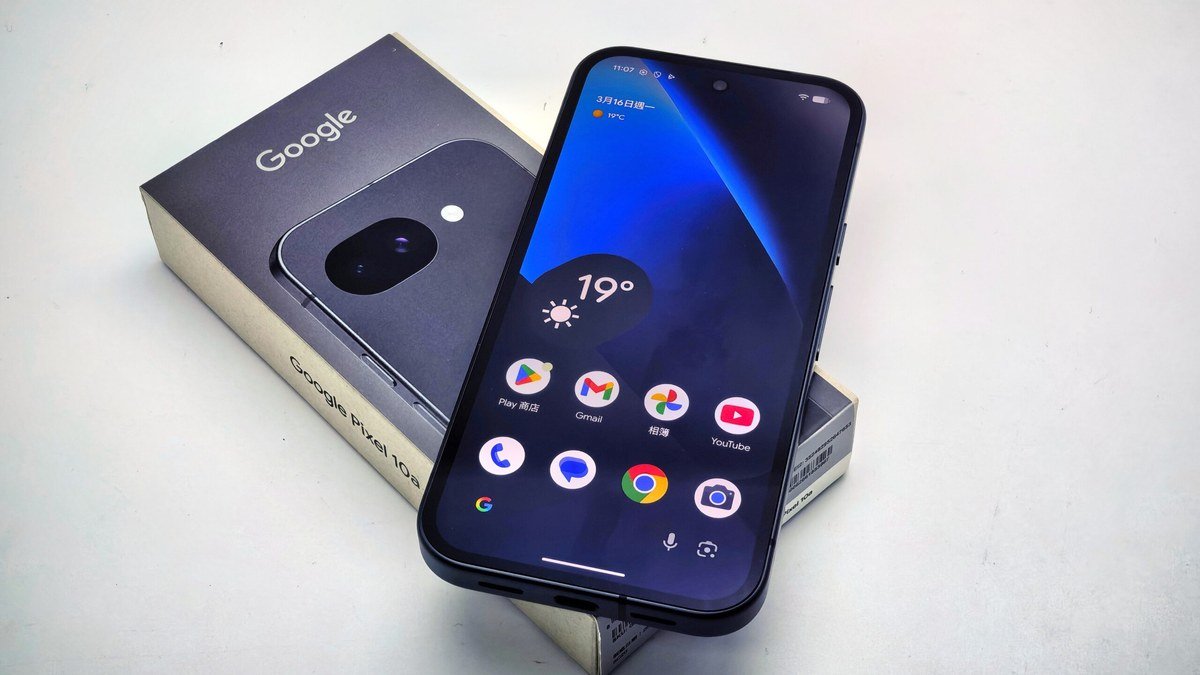
5. Google Pixel 10a — Best Budget Camera Phone
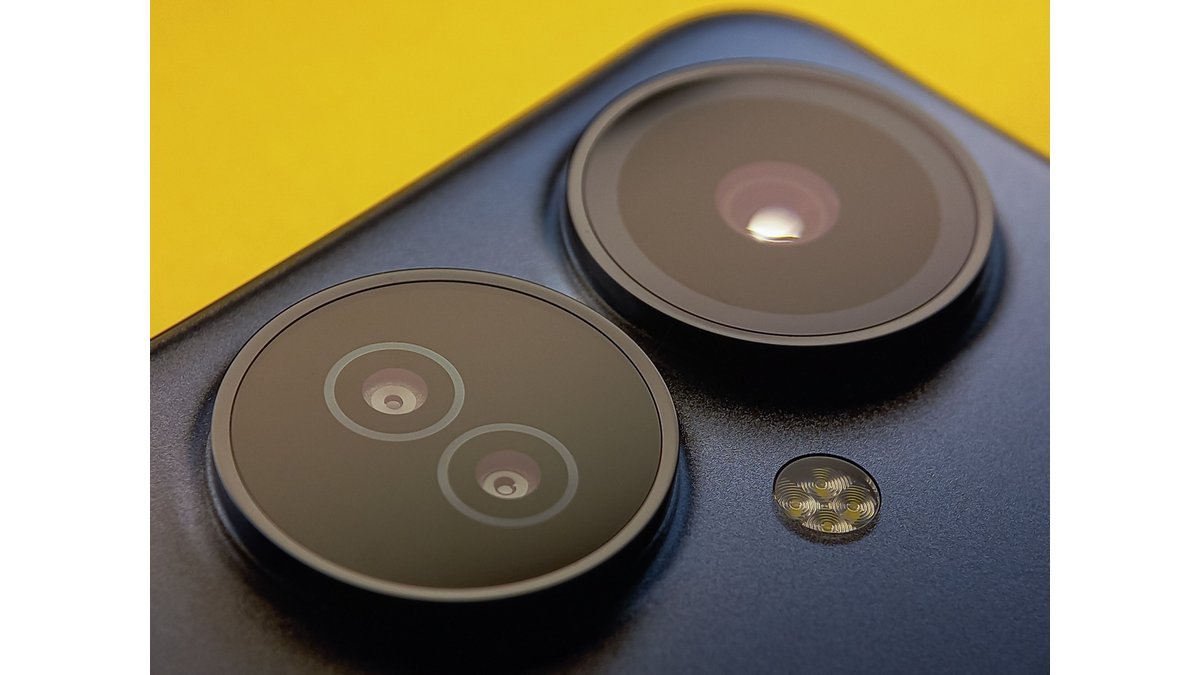
The Pixel 10a proves you don’t need four figures for a great camera phone. At around $499 it inherits Google’s computational photography — Night Sight, the same point-and-shoot reliability — paired with a capable dual camera that punches well above its price. In good light, its photos are hard to tell apart from phones costing twice as much.
Compromises land where you’d expect: no telephoto lens, a plainer build, the older Tensor G4 chip. But you get seven years of updates and a camera that embarrasses every other phone under $500. If your budget tops out at five hundred, this is the best camera phone you can buy.
Pros: Unbeatable camera under $500; seven years of updates; clean software.
Cons: No telephoto lens; slower chip; plain design.
Best for: Budget buyers who refuse to compromise on photo quality.
Best Camera Phones 2026: Side-by-Side Comparison
| Phone | Main camera | Zoom | Approx. price | Best for |
|---|---|---|---|---|
| Samsung Galaxy S26 Ultra | 200MP, f/1.4 | 3x + 5x optical | ~$1,299 | Best overall |
| iPhone 17 Pro Max | 48MP | 4x optical | ~$1,199 | Best video |
| Google Pixel 11 Pro | 50MP | 5x optical | ~$999 | Best point-and-shoot |
| OnePlus 15 | 50MP class | 3x class optical | ~$899 | Best value flagship |
| Google Pixel 10a | 48MP class | Digital only | ~$499 | Best budget |
Frequently Asked Questions
Which phone has the best camera in 2026?
For overall still-photo versatility, the Samsung Galaxy S26 Ultra — its 200MP sensor and dual telephoto lenses cover more situations than any rival. For video, the iPhone 17 Pro Max leads. For effortless everyday photos, the Pixel 11 Pro. There’s no single winner; the right answer depends on what you shoot.
Do I need a 200MP camera phone?
Not necessarily. High megapixels are most useful for cropping after the fact. For everyday shooting, a well-processed 50MP photo looks just as good on screen or in print. Sensor size and processing matter more than the megapixel number.
Is the Pixel 10a’s camera really that good for the price?
Yes. Google’s computational photography does the heavy lifting, so in good light the 10a’s photos rival phones twice its price. Its weakness is zoom — without a telephoto lens, distant subjects lose detail fast. If you mostly shoot people, food, and everyday scenes, it’s exceptional value.
What is the best camera phone for night photography?
The Galaxy S26 Ultra’s wide f/1.4 aperture and large sensor give it the edge in very dark scenes, and Google’s Night Sight on the Pixel 11 Pro and 10a is outstanding for handheld night shots. The iPhone 17 Pro Max is strong too, with the most natural-looking night colors of the three.
Should I buy a dedicated camera instead of a camera phone?
For most people, no — the best camera phones rival entry-level mirrorless cameras for everyday shooting, and they’re always in your pocket. A dedicated camera still wins for serious wildlife or sports work. But a $1,299 phone does far more than a $1,299 camera body.

Final Verdict
The Samsung Galaxy S26 Ultra is the best camera phone of 2026 for most buyers — unmatched zoom versatility at around $1,299. Filmmakers: get the iPhone 17 Pro Max (~$1,199) for best-in-class video. The Pixel 11 Pro (~$999) is the easiest great camera to live with, the OnePlus 15 (~$899) is the value play, and the Pixel 10a (~$499) proves tight budgets can still take great photos. Browse phone deals on AliExpress — prices move around a lot.
Where to Buy: Compare Prices on Daraz · Check AliExpress Price
Check the price on AliExpress — the global marketplace with millions of tech products.
As an AliExpress affiliate, we may earn a commission on qualifying purchases.