Best Smartwatches for Sleep Tracking in 2026: 5 Picks That Go All Night
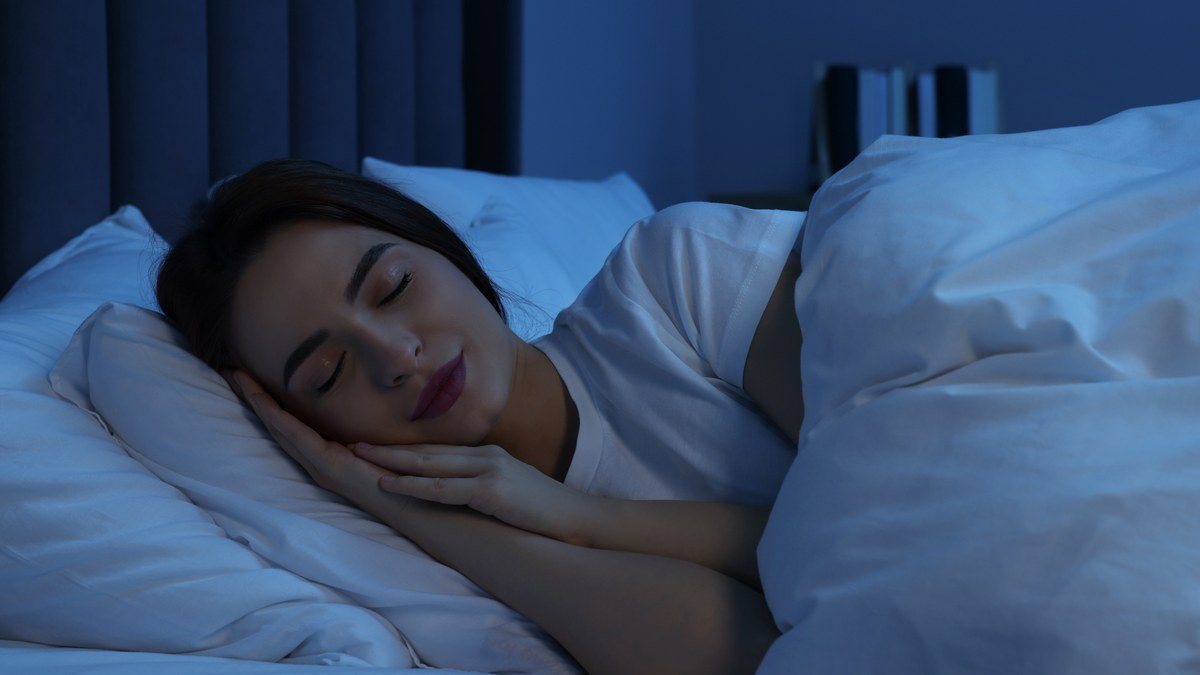
Here’s the irony of sleep tracking: the watches with the best sensors are often the worst at it, because they die before morning. A flagship smartwatch that needs charging every night can’t track the night. The best smartwatches for sleep tracking solve this with multi-day battery life, slim designs you can actually sleep in, and software that turns raw sensor data into advice you can use — not just a “sleep score” with no explanation. These five picks range from a screenless band to a smart ring to full smartwatches, but they share one trait: they’ll still be running when your alarm goes off.
Disclosure: This article contains affiliate links. As an Amazon Associate, we earn from qualifying purchases. We may also earn commissions from Daraz and AliExpress purchases made through links on this page, at no extra cost to you.
What Good Sleep Tracking Actually Requires
Sleep tracking rests on three pillars: sensors, battery, and interpretation. The sensors — optical heart rate, SpO2, skin temperature, movement — are commodities now; even budget watches have them. What separates good from great is sampling frequency and how the software reads the data. The best platforms detect sleep stages (light, deep, REM), track heart-rate variability trends, estimate recovery, and — crucially — tell you what to do differently.
Battery is the silent killer of sleep tracking. A watch that lasts 18 hours forces a choice: track sleep, or have charge for tomorrow. Multi-day battery is non-negotiable — anything under three days per charge turns sleep tracking into a chore. Comfort matters just as much: bulky watches dig into side-sleepers’ wrists, while slim bands and rings disappear.
How to Choose a Sleep Tracking Watch
1. Battery life comes first
This is the one category where battery beats every other spec. Look for at least 4–5 days of real-world use; a week or more is ideal. Screenless bands and rings last longest (up to two weeks), slim smartwatches sit in the middle, and full-featured flagships manage a day or two — usable for sleep tracking only if you top up during the day. If a watch can’t survive the night plus the next day, cross it off.
2. Comfort determines consistency
Sleep data only works in aggregate — one bad night means nothing, but three weeks of trends reveal everything. That means wearing the device every single night, which means it has to be comfortable. Slim, light designs under 40 grams work best; rings work better still for people who hate wrist wear.
3. Look past the sleep score
Every tracker now spits out a nightly sleep score, but scores without context are trivia. The useful platforms — Whoop, Oura, Fitbit, Samsung, Google — pair scores with explanations: why your deep sleep dropped, how that late coffee affected you, whether your recovery supports a hard workout today. When comparing, judge the coaching quality, not the score number.
4. Check for sleep-specific sensors
Overnight heart-rate variability (HRV) is the most useful recovery signal these devices capture — make sure your pick tracks it. SpO2 monitoring helps flag potential breathing disturbances, and skin-temperature tracking can reveal illness or cycle patterns early. Not every watch offers all three; the picks below note what’s included.
Want the full smartwatch experience too? Our Pixel Watch 4 review and Galaxy Watch 8 review cover two picks below in detail. Browse sleep-tracking watches on Daraz
The 5 Best Smartwatches for Sleep Tracking in 2026
1. Whoop 5.0 — Best sleep analytics overall
Whoop treats sleep as the foundation of everything — strain and recovery scores are built on top of it. The screenless band tracks heart rate, HRV, respiratory rate, and skin temperature continuously, then serves up a sleep score with genuinely actionable coaching: how much sleep you need tonight, and how behaviors like late meals affected your recovery. Battery runs 14+ days, and the band is comfortable enough for true 24/7 wear. The catch is still the membership model — around $199/year minimum — but for sleep-obsessed athletes, nothing else reads the night this well.
Pros:
- Deepest sleep and recovery analytics available
- 14+ day battery; comfortable all-night wear
- Actionable coaching, not just scores
Cons:
- Requires ongoing membership (~$199/year and up)
- No screen, no smartwatch features
Best for: Athletes and data lovers who want the smartest sleep coaching.
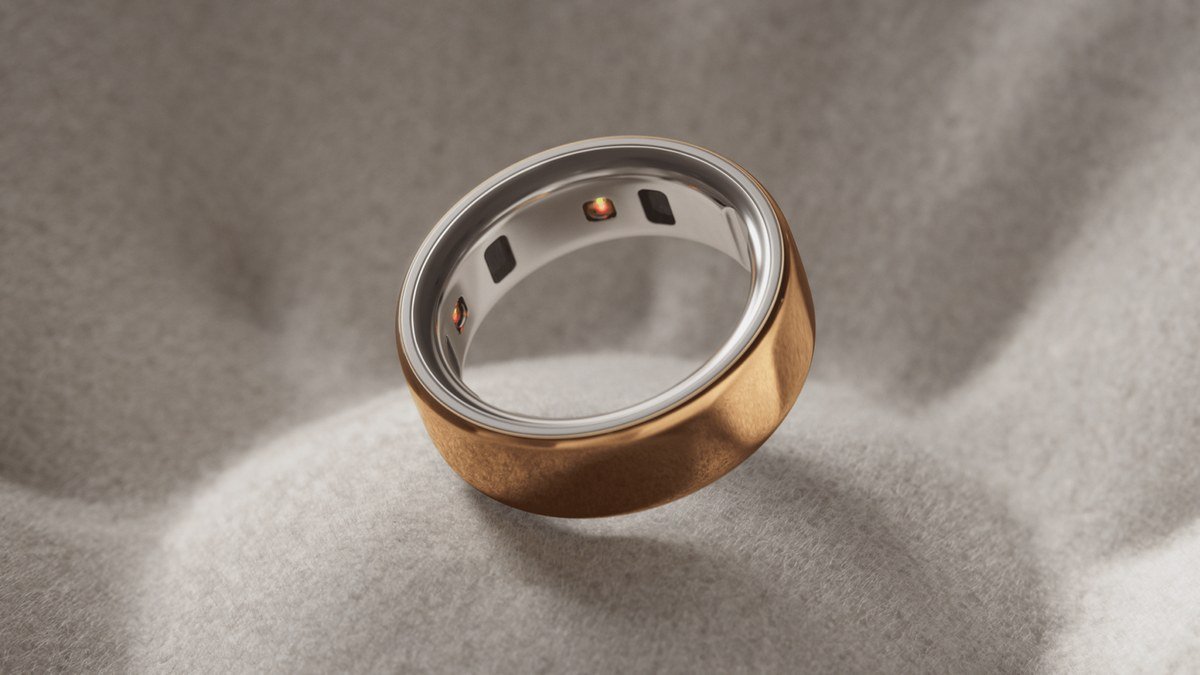
2. Oura Ring 4 — Best ring for sleep tracking
Some people just can’t sleep with anything on their wrist. The Oura Ring 4 is their answer: a titanium ring tracking sleep stages, HRV, SpO2, skin temperature, and readiness with accuracy that rivals the best wrist wearables — fingers give strong pulse signals, and the ring never shifts overnight. Battery lasts about a week, and it’s genuinely comfortable for side-sleepers. At around $349 plus an Oura membership for full insights, it’s a premium way to track sleep. But if wrist wear is a dealbreaker, this is the best alternative in existence.
Pros:
- Nothing on your wrist — ideal for sensitive sleepers
- Excellent sleep staging and readiness scores
- Week-long battery in a tiny form factor
Cons:
- Expensive, plus a membership for full features
- No display, no workout tracking on-device
Best for: People who can’t stand sleeping with a watch on.
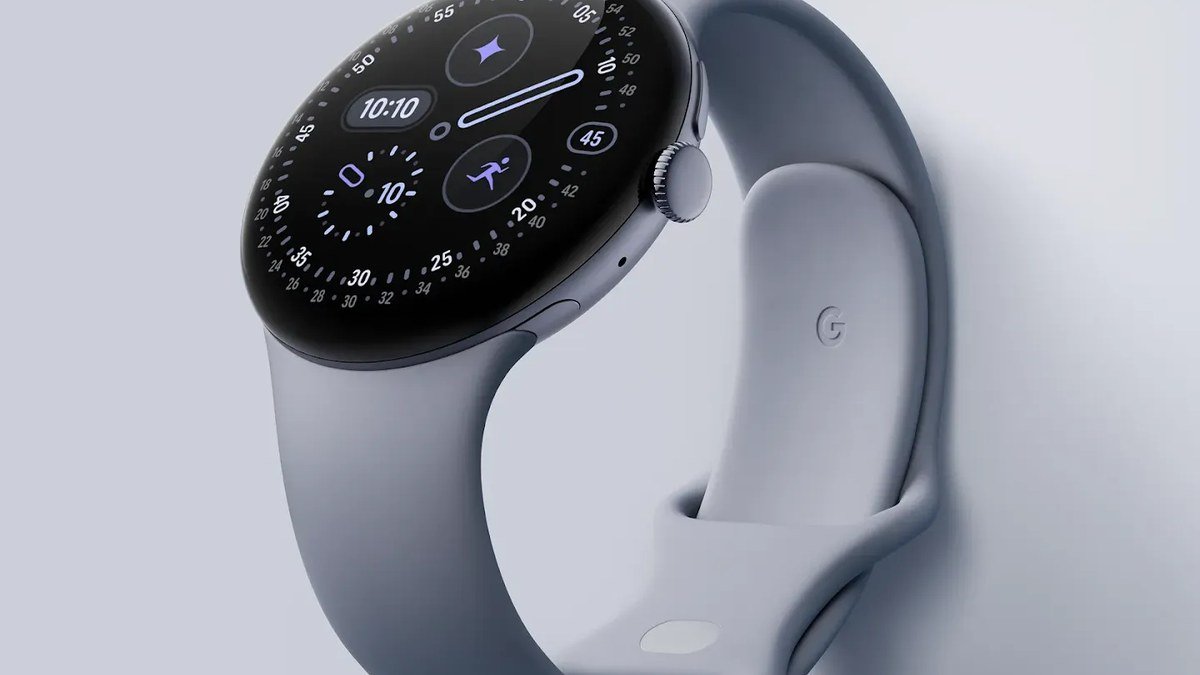
3. Google Pixel Watch 4 — Best Android smartwatch for sleep
The Pixel Watch 4 is the rare full smartwatch that’s also a great sleep tracker. Fitbit’s sleep platform — stages, sleep score, a Smart Wake alarm that rouses you in light sleep — runs natively, and Google’s Health Connect ties it all together. Battery improved meaningfully over earlier Pixels, stretching to roughly a day and a half, which makes overnight tracking practical if you charge while getting ready in the morning. At around $349, it’s the pick for Android users who want one device for days and nights.
Pros:
- Excellent Fitbit sleep platform with Smart Wake
- Full smartwatch features alongside sleep tracking
- Clean, comfortable design
Cons:
- Battery still needs daily charging discipline
- Some advanced metrics need Fitbit Premium
Best for: Android users who want a smartwatch that also tracks sleep well.
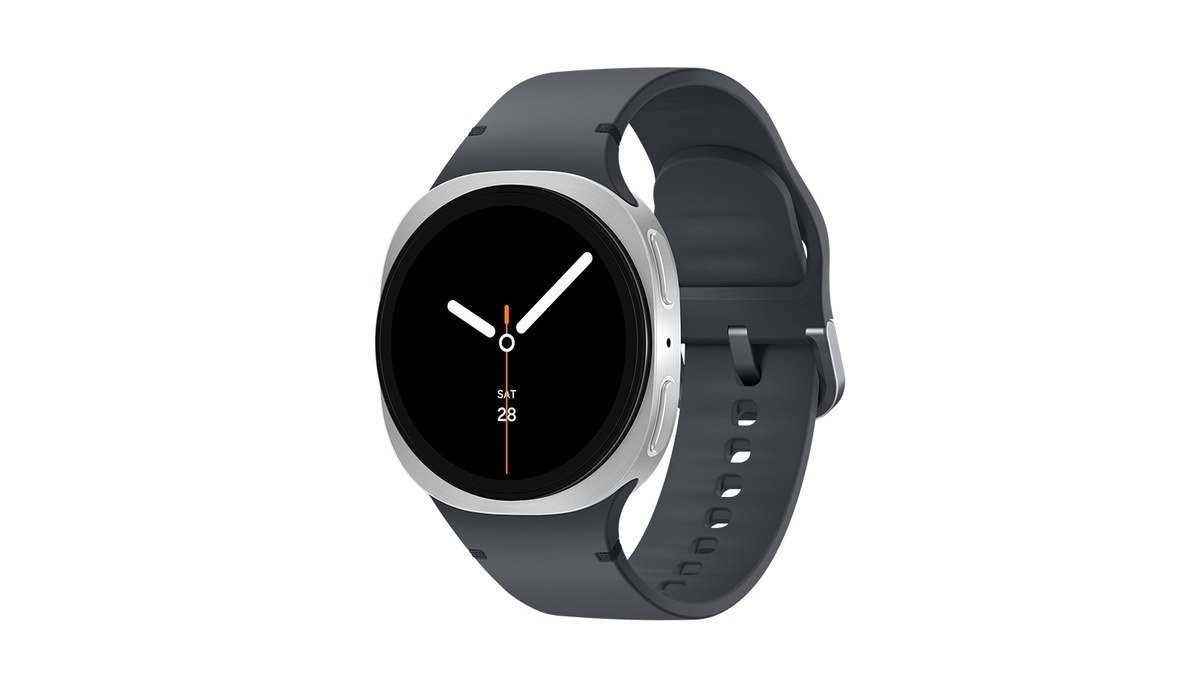
4. Samsung Galaxy Watch 8 — Best sleep coaching on a smartwatch
Samsung’s sleep coaching is the most structured program on any mainstream smartwatch. After a week of tracking, it assigns you a sleep-animal chronotype and builds a multi-week plan to fix your habits. Add a morning energy score, skin-temperature sensing, and snore detection (via your phone), and it’s a comprehensive package at around $349. Battery lasts a day and a half to two days — workable for sleep tracking with a morning charging routine. For Samsung phone owners, integration is seamless.
Pros:
- Best structured sleep coaching program
- Energy score and snore detection included
- Polished Wear OS smartwatch experience
Cons:
- Needs regular charging to sustain sleep tracking
- Full features require a Samsung phone
Best for: Samsung users who want coaching, not just data.
5. Withings ScanWatch Nova — Best hybrid for sleep tracking
The ScanWatch Nova looks like a classic diver’s watch — and secretly tracks sleep better than most smartwatches. The hybrid design hides heart-rate, SpO2, and sleep tracking behind analog hands, with a small OLED strip for notifications. Battery runs for weeks, not days, so sleep tracking never competes with charging. Withings’ sleep analysis is medically minded, including breathing-disturbance detection. At around $599 it’s expensive for something that looks like a simple watch, but for professionals who want health tracking without a glowing screen, it’s unmatched. Our ScanWatch Nova review covers it in depth.
Pros:
- Weeks of battery — sleep tracking never interrupted
- Classic watch looks with hidden health tech
- Strong, medically-minded sleep analysis
Cons:
- Expensive at around $599
- Minimal smart features beyond basics
Best for: Professionals who want sleep tracking in a traditional watch.
Best Sleep Tracking Smartwatches: Quick Comparison
| Device | Best for | Battery | Price |
|---|---|---|---|
| Whoop 5.0 | Sleep analytics | 14+ days | ~$199/year membership |
| Oura Ring 4 | Ring form factor | ~7 days | around $349 |
| Google Pixel Watch 4 | Android smartwatch | ~1.5 days | around $349 |
| Samsung Galaxy Watch 8 | Sleep coaching | ~1.5–2 days | around $349 |
| Withings ScanWatch Nova | Hybrid style | Weeks | around $599 |
Frequently Asked Questions
How accurate is sleep stage tracking?
Directionally accurate, not medically precise. Wrist and ring sensors estimate light, deep, and REM sleep from heart rate, HRV, and movement — good enough to spot trends like “my deep sleep drops when I drink late,” but no substitute for a clinical sleep study. Treat trends as reliable and single-night numbers as approximate. The most accurate consumer option here is the Oura Ring, thanks to the finger’s strong pulse signal.
Can I track sleep with an Apple Watch?
Yes, but it’s awkward. The Apple Watch tracks sleep stages natively, yet with roughly a day of battery you have to build charging into your routine — usually while showering and getting ready. It works. But it’s a hassle next to multi-day trackers. If sleep tracking is the priority and you’re on iPhone, a Whoop band or Oura Ring for nights plus your Apple Watch for days is the better setup.
Do I need to wear it every night?
Yes — that’s the whole point. Sleep insights come from patterns across weeks, not single nights. Which is why comfort and battery matter more than sensor specs: the best sleep tracker is the one you’ll actually wear consistently. If a watch bothers you at night, switch to a ring or a slimmer band rather than skipping nights.
What is HRV and why does it matter for sleep?
Heart-rate variability — the tiny variations in time between heartbeats — is the best recovery signal consumer wearables offer. Higher overnight HRV generally means better recovery; suppressed HRV can signal stress, illness, or overtraining. Whoop, Oura, and Garmin all build their recovery scores around it. Skip the physiology; just watch the trend.
Will a sleep tracker actually help me sleep better?
The tracker doesn’t improve your sleep — the awareness does. Experience (and studies) agree: seeing the concrete impact of late caffeine, alcohol, or irregular bedtimes changes behavior more than any advice column. The coaching on Whoop, Samsung, and Oura turns that awareness into specific actions. Buy the tracker for the mirror it holds up, not for magic.
Final Verdict
The Whoop 5.0 has the smartest sleep analytics — if you’ll pay the membership. The Oura Ring 4 is the answer for anyone who can’t sleep with a watch on. Android users: choose between the Pixel Watch 4 and Galaxy Watch 8. And the Withings ScanWatch Nova hides serious sleep science inside a classic watch. Wear it every night — consistency beats specs. See sleep-tracking deals on AliExpress
Where to Buy: Compare Prices on Daraz · Check AliExpress Price
Check the price on AliExpress — the global marketplace with millions of tech products.
As an AliExpress affiliate, we may earn a commission on qualifying purchases.