Bottom line: The Pixel 10a’s upgrades are minimal. But it’s still the best camera phone at $499. That’s enough.
Display
The Pixel 10a has a 6.3-inch Actua display with 1080 × 2424 pOLED resolution and 422.2 PPI . It supports Smooth Display (60-120Hz) for fluid scrolling . Brightness reaches 2,000 nits (HDR) and 3,000 nits (peak) . The screen is protected by Corning Gorilla Glass 7i .
Performance
It runs on the Google Tensor G4 chip with 8GB RAM . Storage options are 128GB (base) with no higher tier mentioned . It includes the Titan M2 security coprocessor for hardware-level security . Google promises 7 years of Pixel updates .
Camera
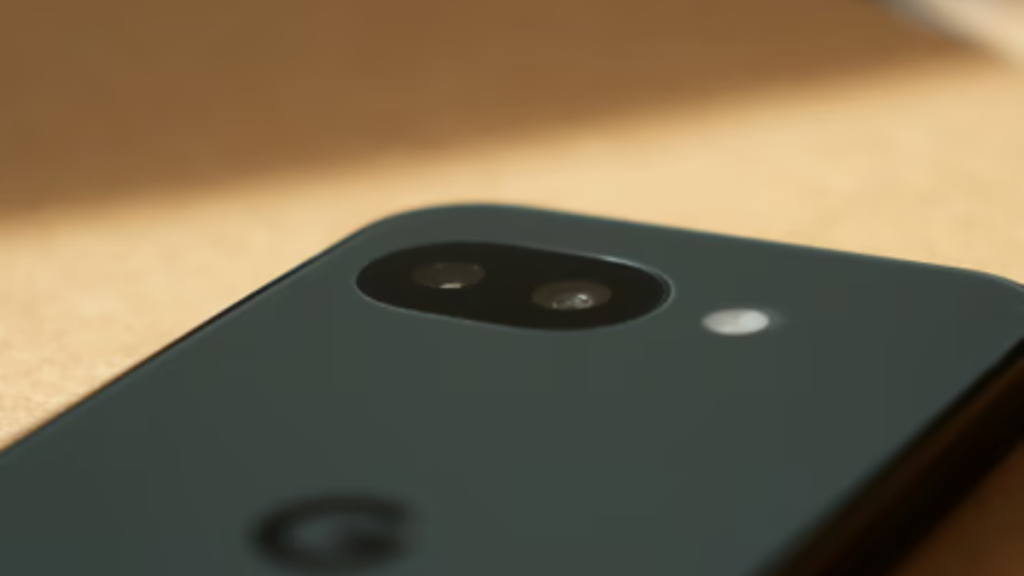
The rear camera is a dual system: 48MP wide (ƒ/1.7, 82° FOV, 1/2″ sensor) + 13MP ultrawide (ƒ/2.2, 120° FOV, 1/3.1″ sensor) . It supports Super Res Zoom up to 8x . Video recording maxes out at 4K at 30/60 FPS . Camera features include Night Sight, Astrophotography, Portrait Mode, Face Unblur, Magic Eraser, and Photo Unblur . The front camera is 10.5MP with autofocus .
Battery
The battery capacity is 5,100mAh (minimum 5,000mAh), rated for over 30 hours of use and up to 120 hours in Extreme Battery Saver mode . It supports fast charging with 45W USB-C PPS (about 50% in 30 minutes) and Qi wireless charging .
Design & Durability
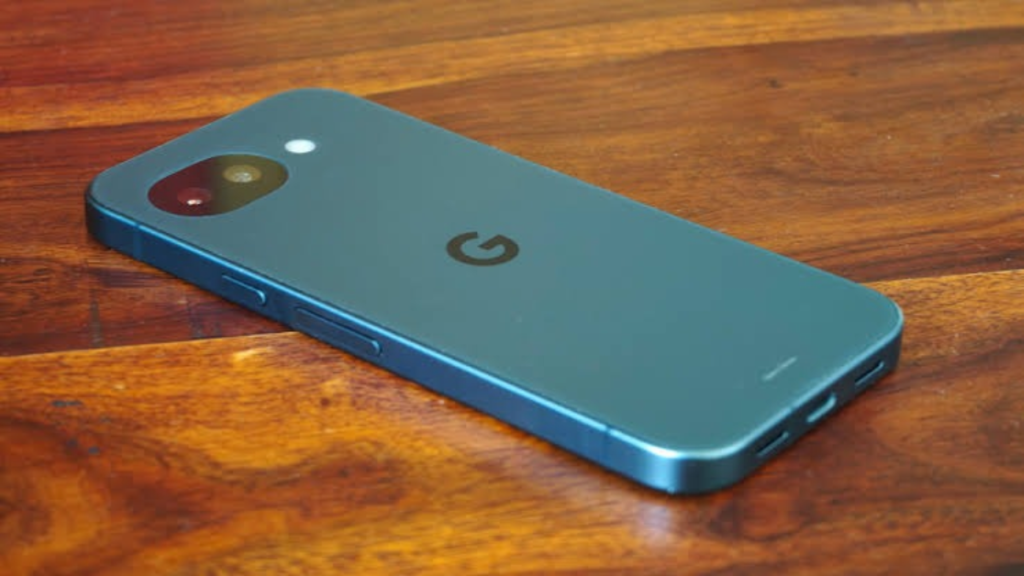
The Pixel 10a measures 153.9 × 73 × 9mm and weighs 183g . It has a composite matte back with satin aluminum frame . The design is clean and minimal, with a flat back that doesn’t wobble on tables.
Who should buy
Budget-conscious buyers who want great photos. Light to moderate users.
Who shouldn’t
Anyone who needs telephoto. Heavy gamers (Tensor G4 performance is average).
The one-sentence summary: The 2026 phone market is stacked — from $200 to $2,000, there’s something worth buying at every price point. The key is figuring out what you care about most — camera? Battery? Gaming? — then matching it to the right phone.