By GenZ Gadgets Zone | September 2026
Buying a new phone in 2026 isn’t as simple as looking at the biggest camera number or the largest battery. Almost every major phone now comes with some kind of AI feature, impressive-sounding camera system and promises of “all-day” battery life.
The real question is: which features will actually make a difference once the phone is in your hands?
For most buyers, things like battery efficiency, camera processing, software support and everyday performance matter more than a spec sheet full of huge numbers.
Here’s what to look for before spending your money—and a look at some of the phones worth considering in 2026.
The Specs That Actually Matter
Battery: Bigger Isn’t Always Better
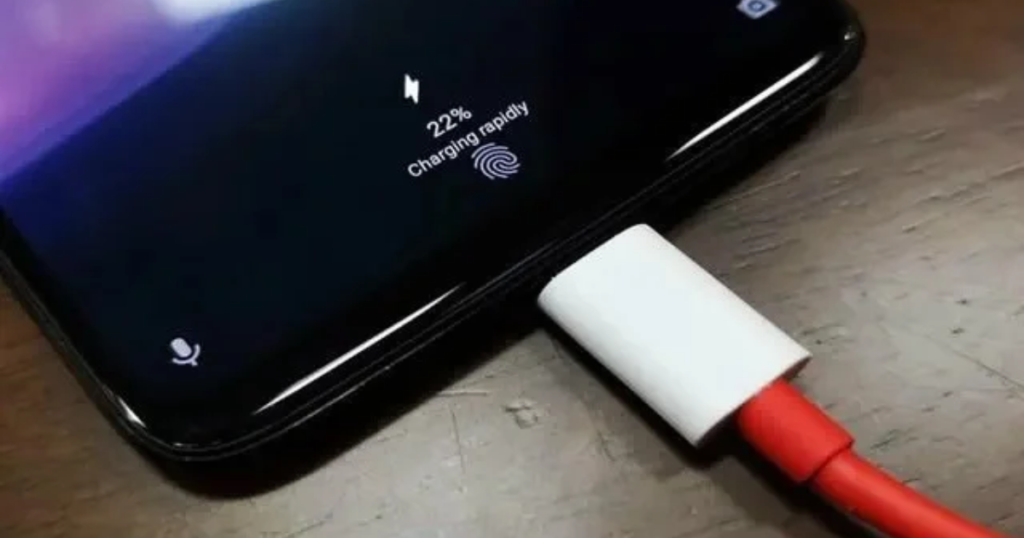
It’s easy to get caught up in battery capacity. Seeing an 8,300mAh battery next to a 5,500mAh one makes the choice look obvious, but real-world battery life isn’t that straightforward.
The processor, display, refresh rate and software all affect how long a phone lasts. A smaller battery in a well-optimized phone can sometimes keep up with—or even beat—a much larger battery in a less efficient device.
Another technology worth watching in 2026 is silicon-carbon battery technology. It allows manufacturers to fit higher-capacity batteries into relatively slim phones. So, don’t choose a phone simply because it has the biggest mAh figure. Look for independent battery tests and real-world usage results.
Camera: Don’t Get Tricked by Megapixels
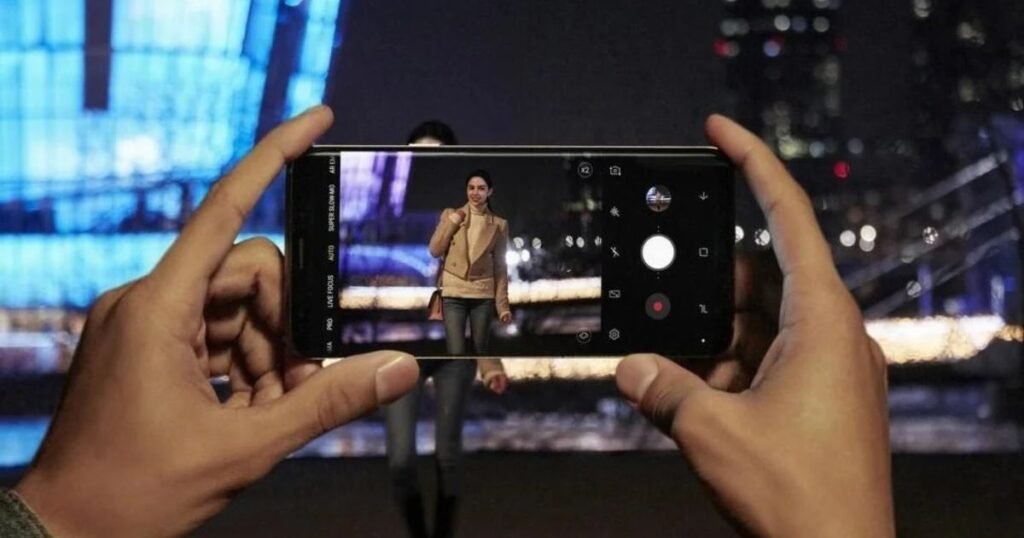
A 200MP camera sounds impressive, but more megapixels don’t automatically mean better photos.
Sensor size, lens quality, stabilization and image processing all play a major role. This is where computational photography has become especially important. Google’s Pixel phones, for example, have built much of their camera reputation around image processing rather than simply chasing the highest megapixel count.
In 2026, flagship phones are also putting more emphasis on camera versatility. The OPPO Find X9 Pro, for example, combines a 50MP main camera and 50MP ultrawide with a 200MP periscope telephoto camera. The Galaxy S26 Ultra also offers a multi-camera setup with a 200MP main camera and dedicated telephoto cameras.
The takeaway? Don’t buy a phone because the camera has the biggest number on the box.
Software Support: Think Beyond the First Two Years
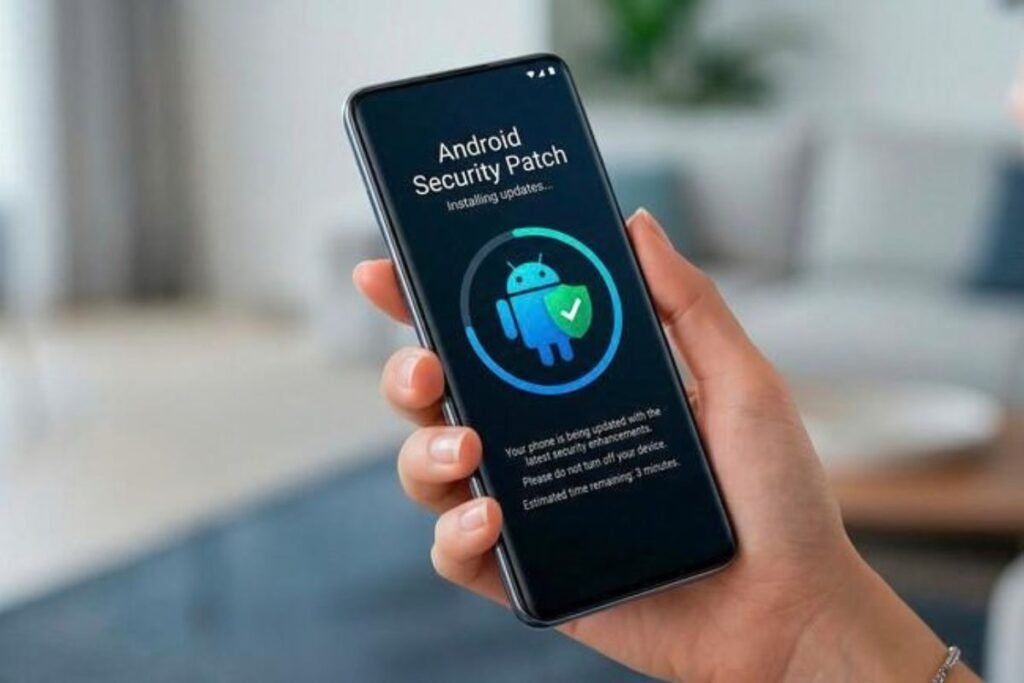
Software support is one of those things you might not care about when buying a phone—but you’ll definitely notice it a few years later.
Google and Samsung have made long-term support a major selling point on their flagship phones. The Pixel 10 Pro is listed with seven years of updates, while Samsung’s Galaxy S26 Ultra also has a long-term update commitment extending into the early 2030s.
That’s important if you’re planning to keep your phone for four, five or even more years.
A slightly more expensive phone with years of remaining software support can make more sense than replacing a cheaper device every couple of years.
The AI Question:
By now, calling a phone an “AI phone” barely tells you anything.
Almost every flagship has AI features. The more useful question is whether those features actually save you time.
Things like live translation, photo editing and context-aware assistance can be genuinely useful. Samsung, for example, has introduced features designed to surface relevant information and content based on what you’re doing.
But you don’t need to pay extra for an AI feature you’ll never use.
Look at what the phone can actually do for you, rather than how many times the word “AI” appears in the marketing material.
The Best Smartphones of 2026 So Far:
Best Overall Android: Samsung Galaxy S26 Ultra
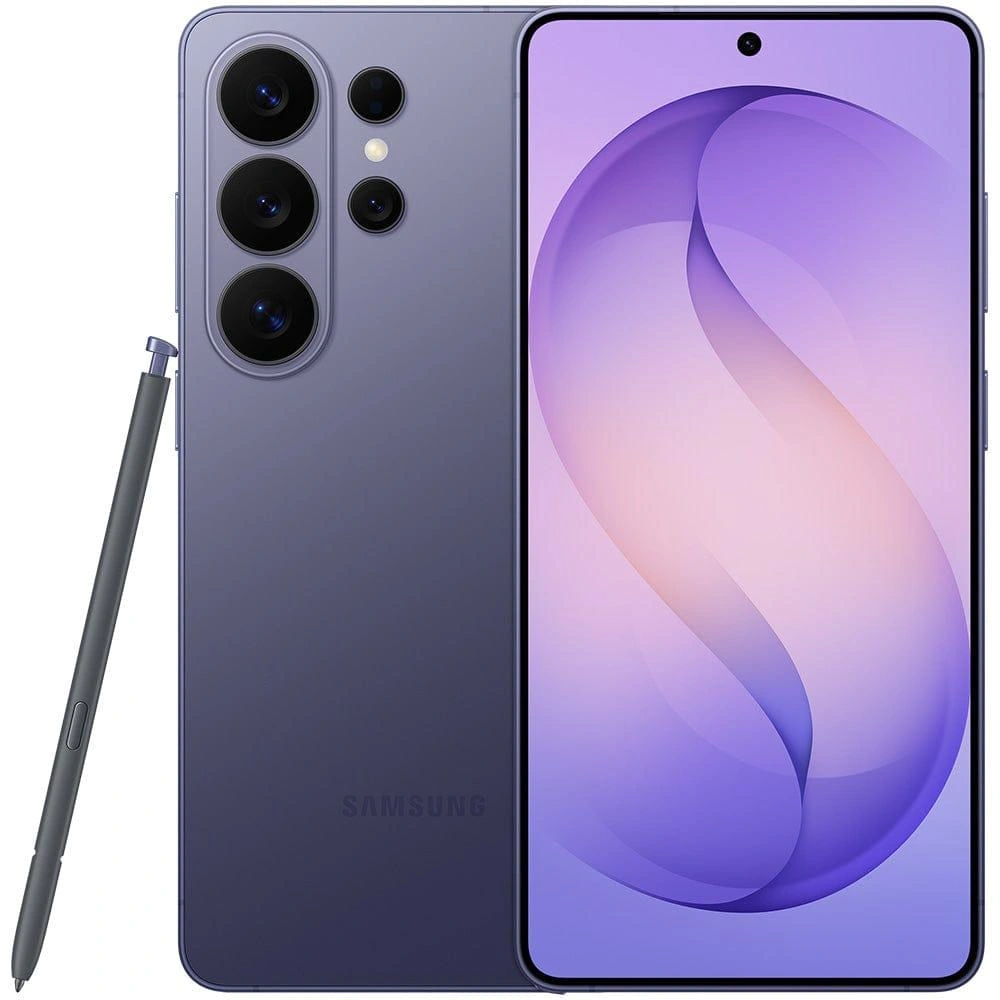
Price: Around $1,300
Best for: Power users, note-takers and people invested in the Samsung ecosystem
The Galaxy S26 Ultra doesn’t try to reinvent the smartphone. Instead, Samsung has focused on refining the formula.
One of its more interesting additions is the built-in Privacy Display, which can limit what people around you can see on the screen. That’s particularly useful if you’re checking messages, working with sensitive information or using your phone in a crowded place. Samsung lists the feature as built directly into the S26 Ultra’s 6.9-inch display.
You also get a 6.9-inch Dynamic AMOLED 2X display, a 5,000mAh battery, Snapdragon 8 Elite Gen 5 for Galaxy and S Pen support. Samsung rates the phone for up to 31 hours of video playback.
The camera system remains one of its biggest strengths, with a 200MP main camera and multiple telephoto options.
Why it stands out: It combines a huge display, powerful hardware, versatile cameras, S Pen functionality and long-term software support in one device.
Best Camera Phone: OPPO Find X9 Pro
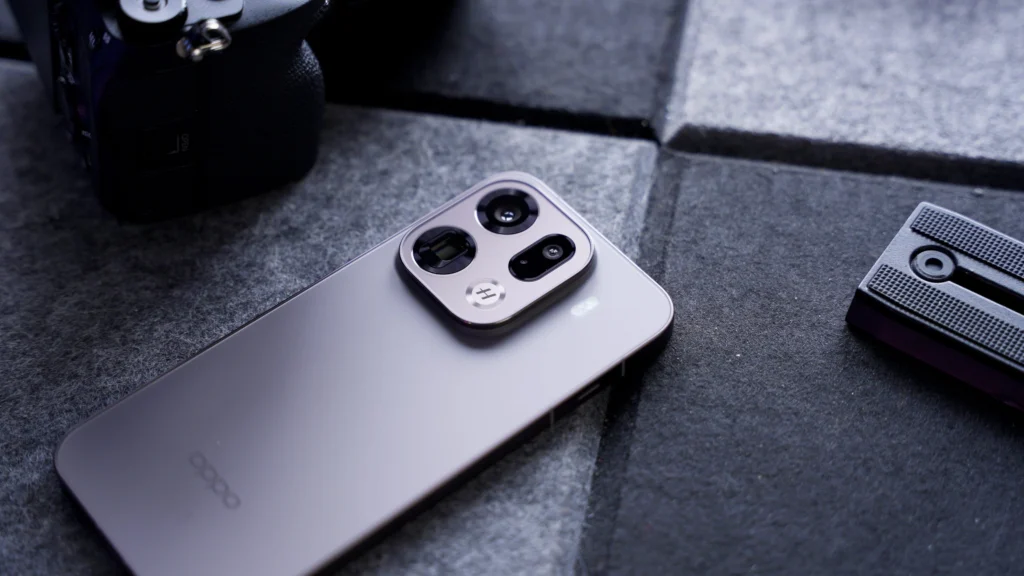
Price: Around $1,000
Best for: Photography enthusiasts and travelers
If photography is high on your priority list, the Find X9 Pro deserves a serious look.
Its camera setup combines a 50MP main camera, a 50MP ultrawide and a 200MP periscope telephoto camera. That gives you considerably more flexibility than a phone with only a standard wide and ultrawide setup. Current specification comparisons also list a 7,500mAh battery and 80W charging.
The large battery is another major attraction. For people who spend hours taking photos, recording video, navigating or traveling, having plenty of battery capacity can be reassuring.
The downside is fairly straightforward: this isn’t the phone to buy if you want something small and lightweight.
The main reason to consider it: Its camera hardware and large battery make it particularly interesting for photography-heavy users.
Best for Most People: Google Pixel 10 Pro
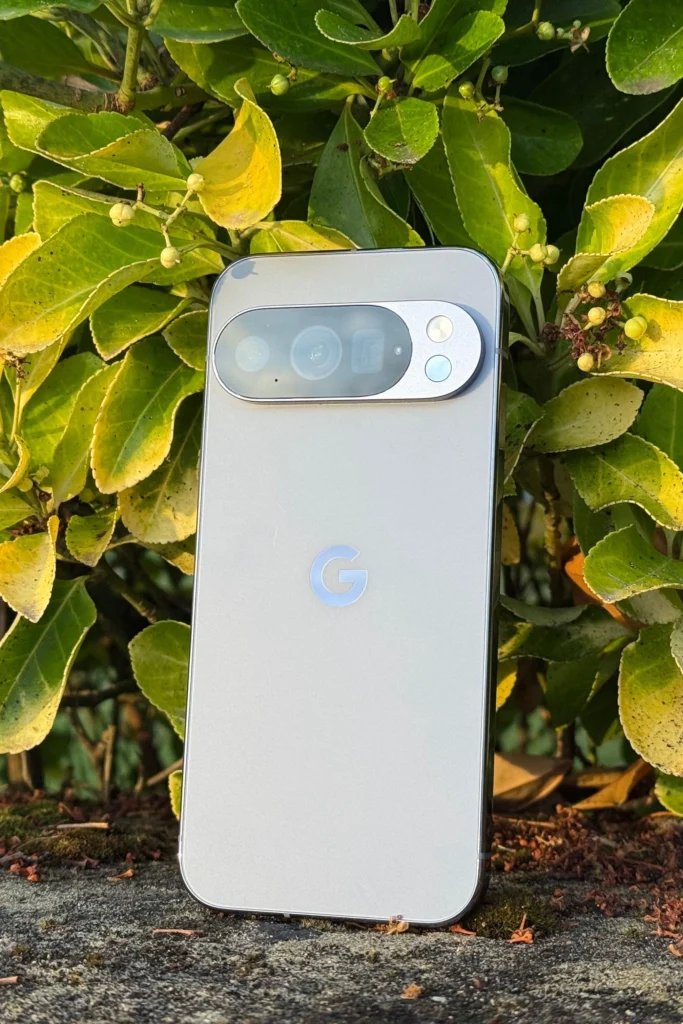
Price: Around $1,000
Best for: People who want a compact flagship with strong cameras and smart software
The Pixel 10 Pro takes a different approach from some of the huge Android flagships.
Its 6.3-inch size makes it easier to handle than many oversized phones, while Google’s Tensor G5 processor and camera software handle everyday tasks and photography without requiring you to understand every technical specification.
The camera system is one of the phone’s biggest attractions. Google’s image processing remains a major part of the Pixel experience, while features such as AI-powered editing and live translation add useful software features on top.
The phone also benefits from Google’s seven-year software-support commitment.
Battery life isn’t necessarily the headline feature here, but the overall package is straightforward: good cameras, a manageable size, long-term updates and Google’s software experience.
Why it makes sense: You get a flagship experience without having to carry a massive phone.
Best Value Flagship: OnePlus 15
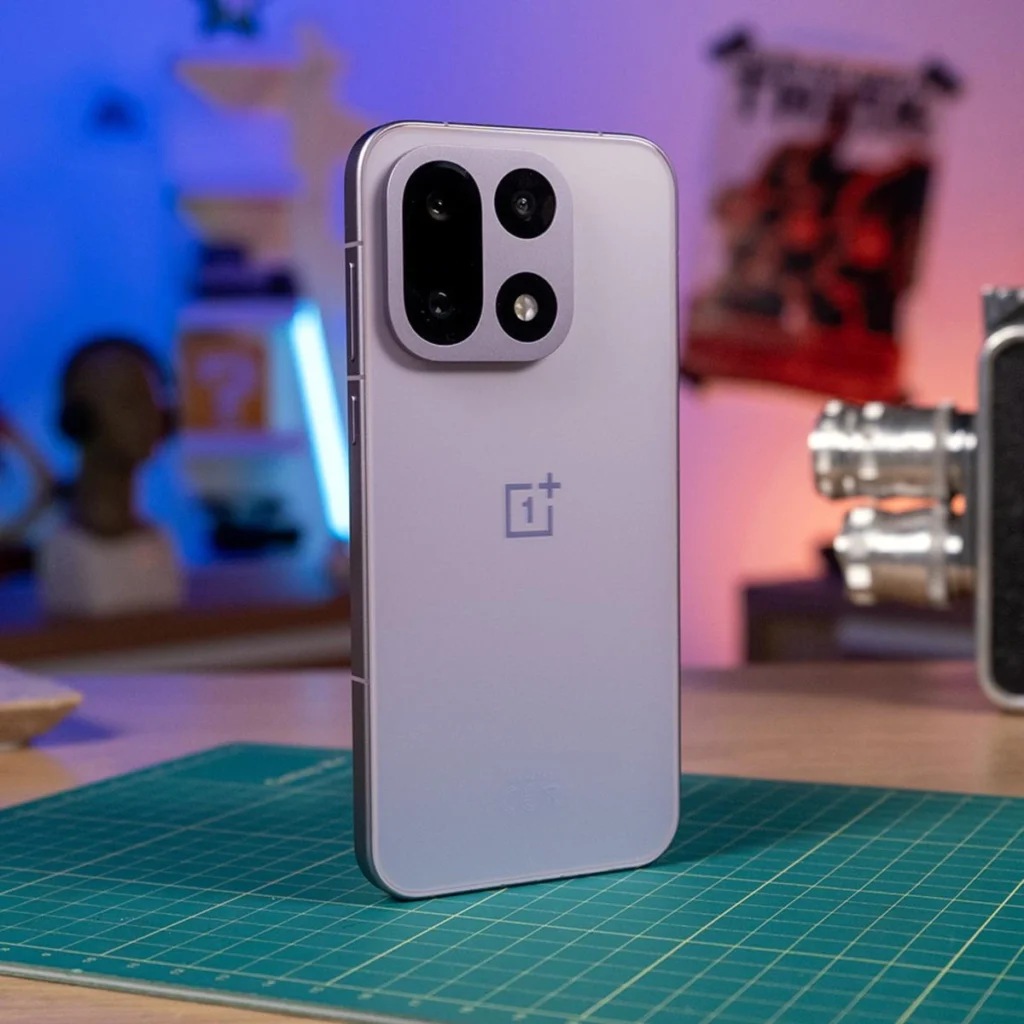
Price: Around $900
Best for: Performance-focused users and people who prioritize battery life
The OnePlus 15 is aimed at buyers who want flagship-level performance without necessarily paying flagship-ultra prices.
Its biggest selling point is endurance. The phone combines a large battery with fast charging and high-end performance, making it particularly interesting for gamers and heavy users.
It’s also a good example of why you shouldn’t judge a phone entirely by its camera specifications. OnePlus puts a lot of emphasis on performance and battery life, while camera performance may not be the main reason to choose it over Samsung or Google.
The trade-off: If camera performance and long-term software support are your top priorities, other phones may deserve a closer look.
Best Midrange: Google Pixel 10a
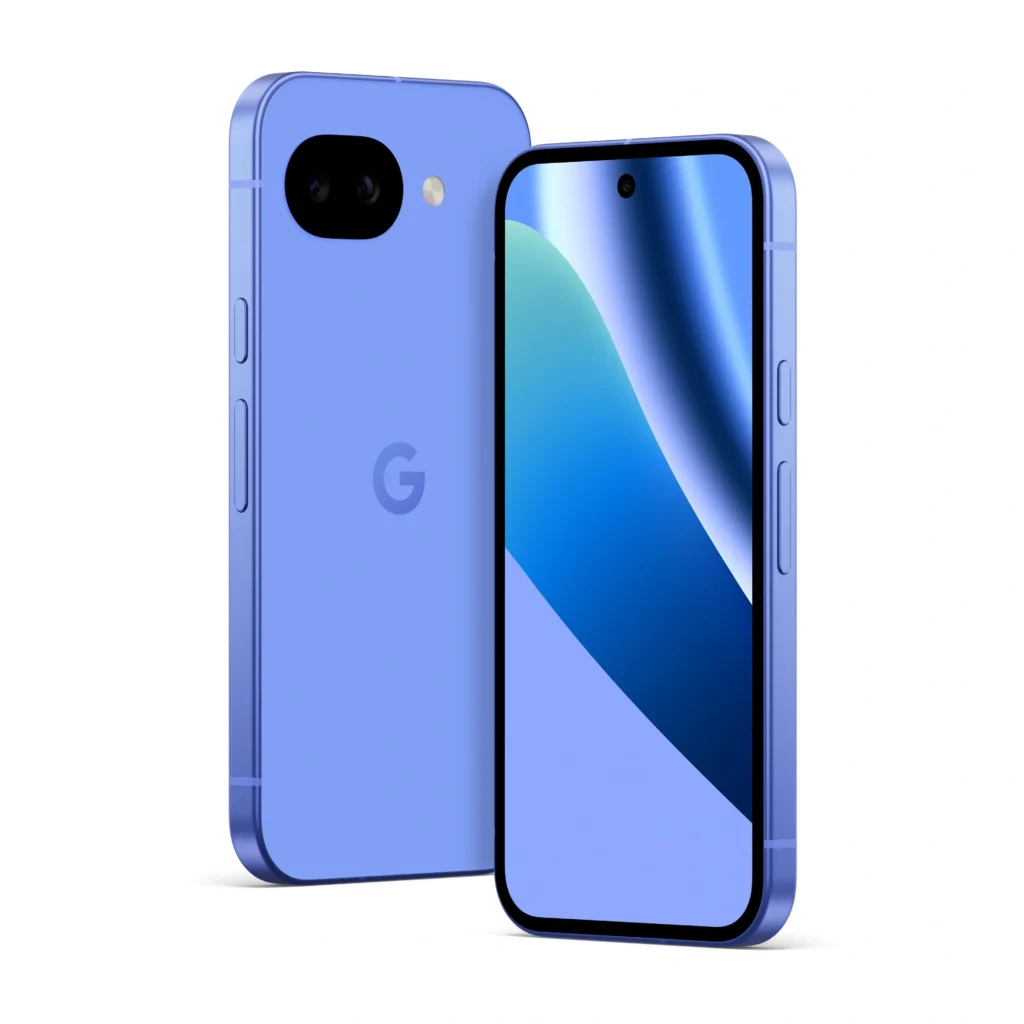
Price: Around $500
Best for: Budget-conscious buyers who care about photography
The Pixel 10a shows how much smartphone technology has trickled down into cheaper phones.
You don’t need to spend flagship money to get a capable camera, a bright display and Google’s software features. The Pixel’s image processing is a particularly attractive part of the package.
There are compromises, of course. The Tensor G4 processor isn’t the newest generation, and there’s no dedicated telephoto camera.
But if your priorities are everyday performance, photography and software rather than maximum gaming power, the Pixel 10a makes a strong case for itself.
Best Budget Phone: Samsung Galaxy A17 5G
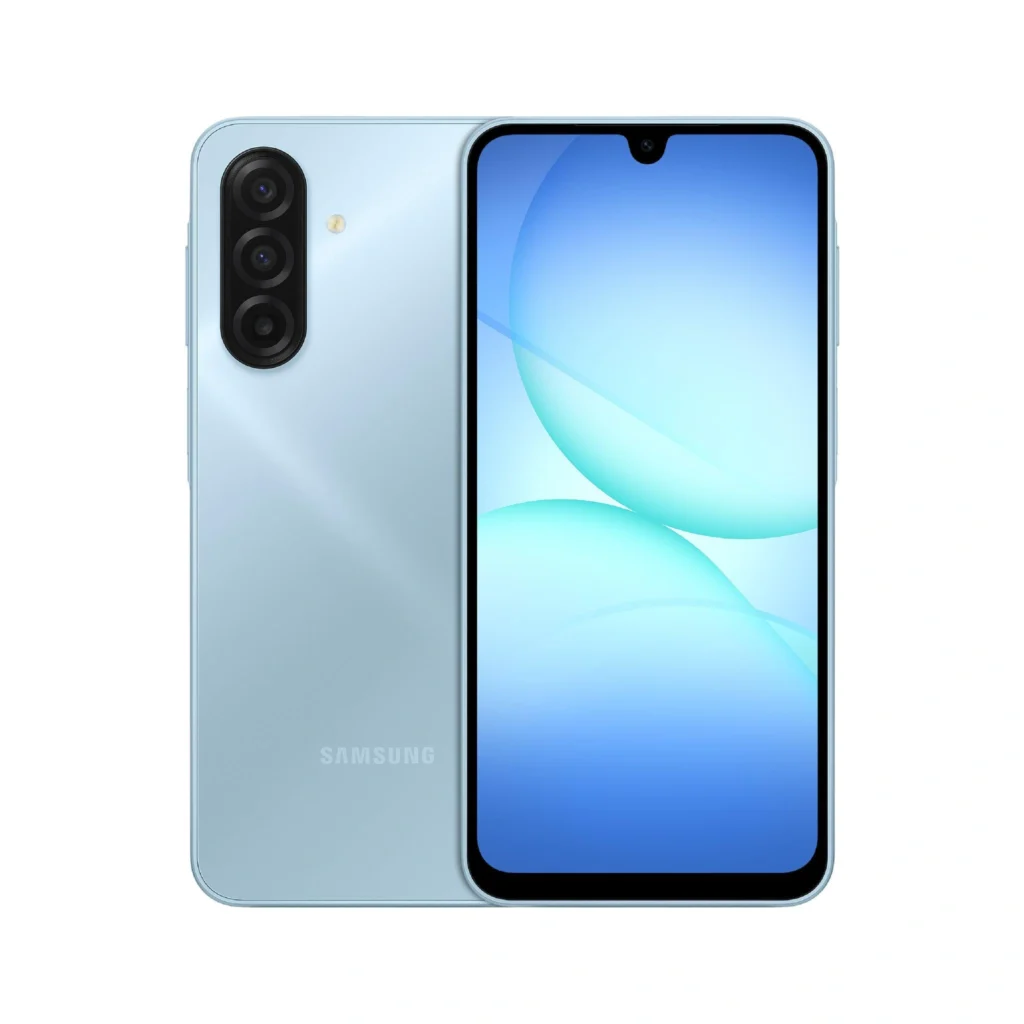
Price: Under $200
Best for: First-time smartphone buyers, backup phones and everyday users
Not everyone needs a $1,000 phone.
The Galaxy A17 5G is aimed at people who mainly use their phone for calls, messaging, social media, browsing and casual photography. It won’t compete with Samsung’s Ultra models for raw performance, but that’s not really the point.
One particularly useful feature is its long software-support period. Samsung lists six generations of OS upgrades and six years of security updates for the A17.
For a budget phone, that kind of support can make a meaningful difference.
Who should consider it: Anyone who wants a straightforward smartphone without spending a lot of money.
Quick Smartphone Buying Tips for 2026
1. Don’t Ignore Last Year’s Flagships
You don’t always need the newest model.
When a new generation arrives, older flagships often become much more interesting because their prices fall while their hardware remains perfectly capable.
If you’re considering something like the Galaxy S26, compare its current price with newer models before buying.
2. Watch for Major Sales
Phone prices can change dramatically throughout the year.
Black Friday, Prime Day and manufacturer promotions can bring significant discounts, particularly on older flagship models.
If your current phone is still working well, waiting for a major sale can sometimes save you a considerable amount.
3. 256GB Is a Comfortable Starting Point
128GB can disappear surprisingly quickly once you’re storing high-resolution photos, 4K videos, downloaded games and large apps.
For many buyers, 256GB is a more comfortable option—especially if you plan to keep the phone for several years.
That said, don’t automatically pay extra for 512GB or 1TB if you don’t actually need the space.
4. Spend a Little on Protection
A good case and screen protector aren’t exciting purchases, but they can save you from an expensive repair.
This matters even more with premium phones. Replacing a damaged flagship display isn’t cheap.
5. Check Your Carrier Before Buying
A fantastic phone isn’t much use if it doesn’t work properly with your mobile network.
Before importing a phone or buying an unfamiliar model, check its supported network bands and make sure your carrier provides the necessary 4G/5G coverage in your area.
This is especially important when buying phones that aren’t officially sold in your country.
Final Thoughts
There isn’t one smartphone that makes sense for everyone.
Someone who spends their day taking photos has very different priorities from someone who mainly plays games. A student might care more about price and battery life, while someone keeping their phone for five years should pay close attention to software support.
That’s the bigger story with smartphones in 2026: the spec sheet doesn’t tell you everything.
Look beyond megapixels and battery numbers. Think about how you actually use your phone, how long you plan to keep it and which features you’ll use every day.
If you’re spending around $1,000 or more, phones such as the Galaxy S26 Ultra, Pixel 10 Pro and OPPO Find X9 Pro offer very different approaches to the flagship experience. If you’re spending less, devices like the Pixel 10a and Galaxy A17 5G show that you don’t necessarily need premium hardware to get a good everyday smartphone.
So, which phone are you considering for 2026? Let us know in the comments.
Follow GenZ Gadgets Zone for more smartphone guides, reviews, comparisons and gadget deep-dives.