iPhone 17 vs Galaxy S26: Which 2026 Flagship Should You Actually Buy?
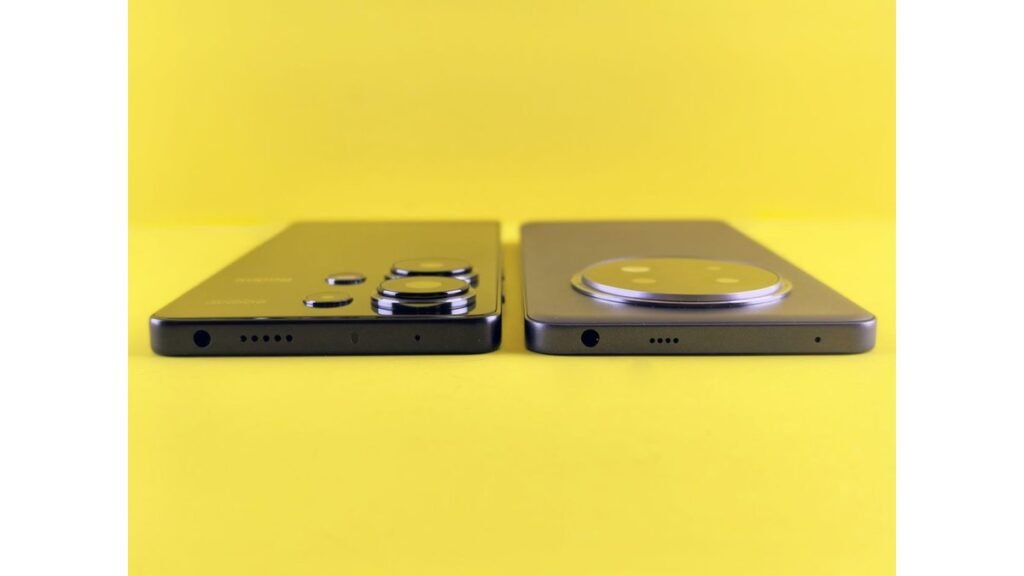
The iPhone 17 vs Galaxy S26 debate is the smartphone question of 2026. Apple’s base iPhone and Samsung’s base Galaxy have never been closer: both are 6.3-inch flagships with 120Hz displays, excellent cameras, and AI features baked into the OS, priced within about $100 of each other. For the first time in years the choice isn’t obvious — and “just get whatever you had before” is a lazy answer when both phones are this good.
This guide breaks down the real differences across the five dimensions that matter — design and display, cameras, performance, battery and charging, and software — so you can pick based on what you actually do with your phone. No brand loyalty required.
Disclosure: This article contains affiliate links. As an Amazon Associate, we earn from qualifying purchases. We may also earn commissions from Daraz and AliExpress purchases made through links on this page, at no extra cost to you.
What Each Phone Offers
iPhone 17: Apple’s most complete base iPhone yet
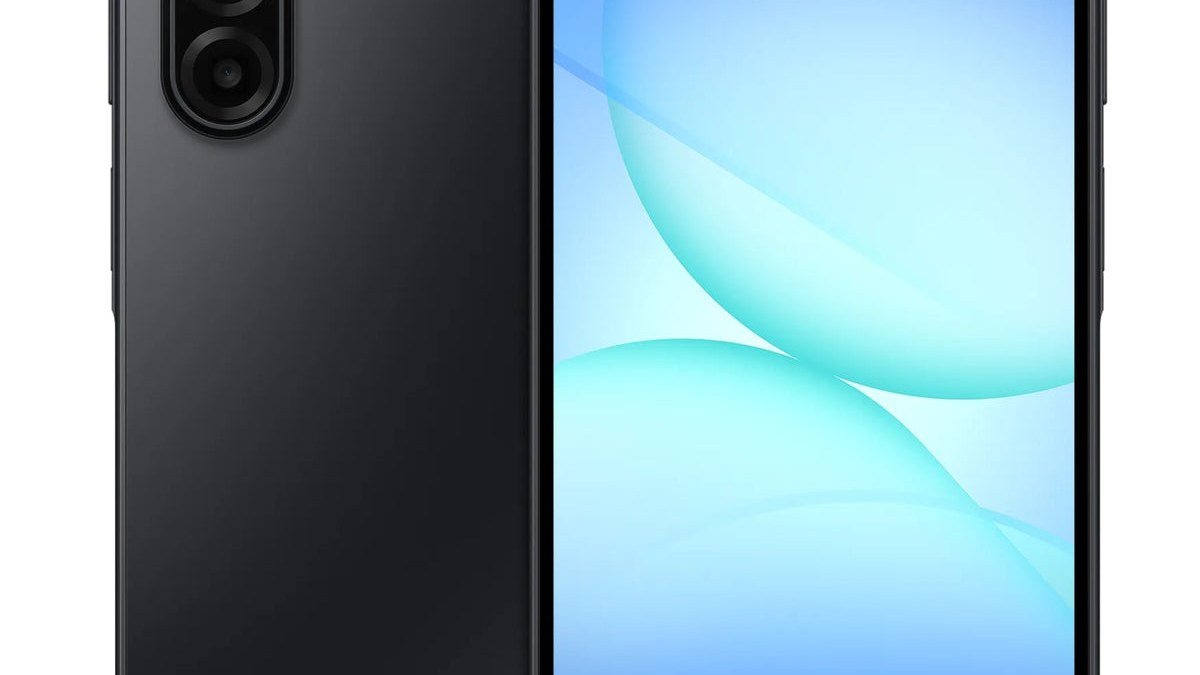
The iPhone 17 (around $799 for 256GB) is a bigger upgrade than the name suggests. It finally brings a 120Hz ProMotion LTPO display to the base iPhone — the single most overdue feature in Apple’s lineup — alongside the A19 chip, dual 48MP cameras, and an 18MP Center Stage front camera. The 6.3-inch Super Retina XDR panel hits 3,000 nits peak brightness, with Ceramic Shield 2 up front. It runs iOS 26 with Apple’s AI features throughout, and Apple’s track record points to five-plus years of updates. For the full story on why it’s selling, see our iPhone 17 coverage.
Galaxy S26: Samsung’s refined Android flagship
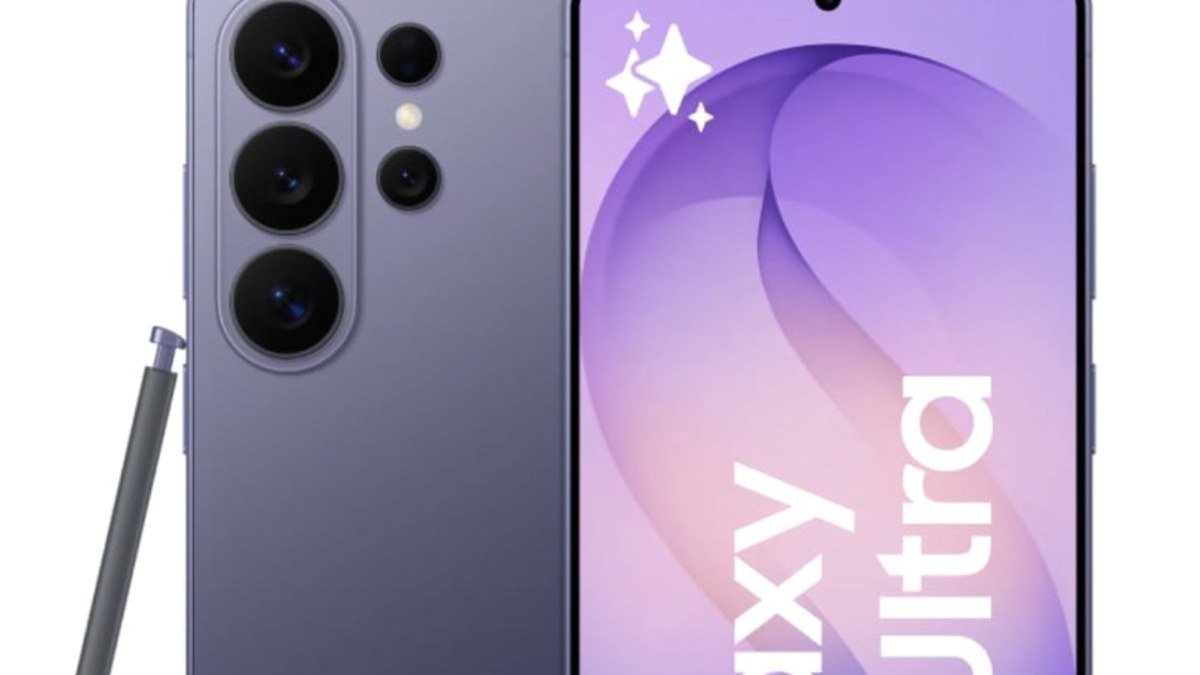
The Galaxy S26 (around $899 for 256GB) answers with a 6.3-inch Dynamic AMOLED 2X display at 120Hz, a triple camera including a real 3x telephoto, and a 4,300mAh battery — bigger than the iPhone’s. US models run the Snapdragon 8 Elite Gen 5 for Galaxy with 12GB of RAM (some regions get Samsung’s Exynos 2600). It ships with Android 16 and One UI 8.5, and Samsung promises seven years of OS and security updates — the longest commitment in the industry. Galaxy AI features run deeper and more numerous than Apple’s equivalents, at least for now.
iPhone 17 vs Galaxy S26: The 5 Key Differences
1. Design and display
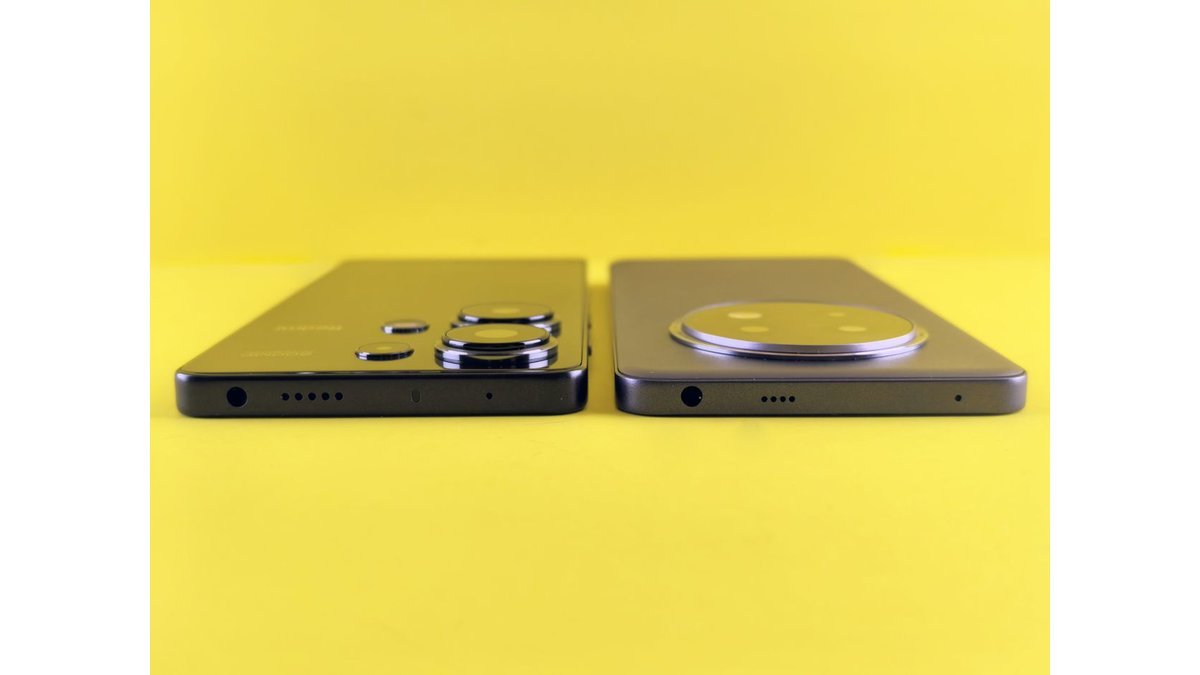
Both phones are 6.3-inch, 120Hz, IP68-rated — the iPhone is slightly heavier at 177g versus 167g for the S26. The iPhone’s display peaks brighter (3,000 nits vs 2,600), and both use LTPO for adaptive refresh. The real difference is feel: the iPhone keeps the Dynamic Island and Apple’s flat-frame design language, while the S26 is slimmer with Samsung’s centered punch-hole camera. Neither is objectively better looking — but the S26’s lighter weight is noticeable day to day, and the iPhone’s brighter panel wins outdoors. Call it a tie with different strengths.
2. Cameras
This is where the phones diverge most. The Galaxy S26 has three rear cameras — 50MP main, 12MP ultrawide, 10MP 3x telephoto — giving it genuine optical zoom the iPhone can’t match. The iPhone 17 counters with two 48MP cameras (main and ultrawide) and Apple’s excellent processing, plus 2x “optical-quality” zoom via sensor crop. For portraits and distant subjects, the S26’s telephoto is the real deal. For video, the iPhone still leads — stabilization, color consistency, and Dolby Vision recording are the mobile benchmark, and the 18MP Center Stage front camera is the best selfie shooter of the two. Verdict: S26 for zoom and versatility, iPhone 17 for video.
3. Performance
Apple’s A19 and the Snapdragon 8 Elite Gen 5 are both absurdly fast — for messaging, social media, and everyday apps, you’ll never feel a difference. Benchmarks tend to favor the Snapdragon in multi-core workloads; Apple’s chip is famously efficient. The practical difference: the S26’s 12GB of RAM (vs 8GB on the iPhone) gives it more headroom for AI features and heavy multitasking, while the iPhone’s vertical integration keeps everything feeling instant. For gaming, both handle demanding titles well; neither will disappoint. Unless you run benchmarks for fun, treat performance as a tie.
4. Battery and charging
Samsung wins on paper and mostly in practice. The S26’s 4,300mAh battery is significantly larger than the iPhone 17’s ~3,692mAh, and in real-world use the Galaxy tends to last longer. Charging is closer than it used to be: the iPhone now does around 40W wired and 25W MagSafe wireless, while the S26 does 25W wired and 15W wireless. Apple’s MagSafe ecosystem — magnetic chargers, wallets, car mounts — remains a genuine everyday advantage the S26 can’t match without a magnetic case. Top priority is battery life? The S26. Living on magnetic accessories? The iPhone.
5. Software, AI, and updates
This is the philosophical divide. The S26 runs Android 16 with One UI 8.5 and Samsung’s Galaxy AI — broader, more experimental AI features, deeper customization, seven years of promised updates. The iPhone runs iOS 26 with Apple’s more restrained, privacy-forward AI and Apple’s historically long (if unofficially stated) support. Android gives you more control and more AI toys; iOS gives you consistency, better app polish, and the ecosystem lock-in that keeps iPhone owners renewing. Neither is wrong — but switching ecosystems is the real cost here, not the phone.
Check iPhone 17 Price on Amazon
Check Galaxy S26 Price on Amazon
iPhone 17 vs Galaxy S26: Full Comparison Table
| Spec | iPhone 17 | Galaxy S26 |
|---|---|---|
| Display | 6.3″ LTPO OLED, 1–120Hz, 3,000 nits peak | 6.3″ Dynamic AMOLED 2X, 120Hz, 2,600 nits |
| Chip | Apple A19 (3nm) | Snapdragon 8 Elite Gen 5 for Galaxy / Exynos 2600 |
| RAM / Storage | 8GB / 256GB, 512GB | 12GB / 256GB, 512GB |
| Rear cameras | 48MP main + 48MP ultrawide | 50MP main + 12MP ultrawide + 10MP 3x telephoto |
| Front camera | 18MP Center Stage | 12MP |
| Battery / charging | ~3,692mAh; ~40W wired, 25W MagSafe | 4,300mAh; 25W wired, 15W wireless |
| Software | iOS 26 | Android 16, One UI 8.5 |
| Updates | ~5+ years (Apple track record) | 7 years OS + security (promised) |
| Weight | 177g | 167g |
| Starting price (256GB) | ~$799 | ~$899 |
Frequently Asked Questions
Is the iPhone 17 better than the Galaxy S26?
Neither is clearly better — they win different categories. The iPhone 17 leads on video quality, display brightness, and ecosystem integration. The Galaxy S26 leads on zoom cameras, battery life, RAM, and update commitment. The right choice comes down to whether you value Apple’s polish or Samsung’s hardware flexibility.
Which has the better camera: iPhone 17 or Galaxy S26?
For still photos with zoom, the Galaxy S26 — its dedicated 3x telephoto captures detail the iPhone’s digital crop can’t. For video and selfies, the iPhone 17 — stabilization and the 18MP Center Stage front camera are best in class. For everyday point-and-shoot, both are excellent; the difference is mostly processing style.
Should I switch from iPhone to Samsung (or vice versa) in 2026?
Only if the other side offers something you specifically want — the S26’s telephoto and battery, or the iPhone’s video and MagSafe ecosystem. Switching costs are real: repurchased apps, new accessories, moved photos and messages, family features like iMessage. Happy in your ecosystem? The generational upgrades within it are the easier win.
Which phone gets updates longer?
Samsung promises seven years of OS and security updates for the S26 — the clearest commitment in the industry. Apple doesn’t publish a number but historically supports iPhones for five to six-plus years. Either way, both phones stay current well into the 2030s.
iPhone 17 vs Galaxy S26: which is the better value?
The iPhone 17 starts around $799 versus around $899 for the S26, and Samsung phones typically see bigger discounts within months of launch — so the street-price gap often shrinks or reverses. Check current prices before deciding: compare deals on Daraz or browse offers on AliExpress. For the full flagship picture including the Ultra models, see our best smartphones to buy in 2026 guide.
Final Verdict
Buy the iPhone 17 (~$799) if you film a lot of video, live in Apple’s ecosystem, or want the brightest display and the best selfie camera. Buy the Galaxy S26 (~$899) if you want real optical zoom, longer battery life, more RAM, and the longest update promise in the business. Both are superb 2026 flagships, and the honest truth is most buyers should pick on ecosystem, not specs — the switching cost dwarfs the hardware differences. Still torn? Wait for a sale: Samsung’s prices drop faster, and the S26 at a discount is very hard to argue against. For Samsung’s bigger flagship, our Galaxy S26 Ultra review covers whether the Ultra is worth the step up.
Where to Buy: Compare Prices on Daraz · Check AliExpress Price
Check the price on AliExpress — the global marketplace with millions of tech products.
As an AliExpress affiliate, we may earn a commission on qualifying purchases.