
Best 5G Tablets of 2026: 5 Picks with Real Cellular Freedom

A Wi-Fi-only tablet is a great home device. A best 5G tablets pick is a great everywhere device. Built-in cellular means your tablet gets online in the airport, the back seat, the coffee shop with the broken Wi-Fi, and the park — no phone hotspot, no tethering drain, no hunting for passwords. In 2026, 5G tablets have grown up: eSIM makes activation painless, sub-6 5G coverage is genuinely widespread in the US, and the premium over Wi-Fi models has shrunk.
This guide covers five cellular tablets worth buying this year, from the iPad Pro to a budget Samsung that brings 5G under $300. We’ll also explain the stuff carriers hope you never ask about: eSIM vs. physical SIM, which 5G bands actually matter, and how much data you really need.
Disclosure: This article contains affiliate links. As an Amazon Associate, we earn from qualifying purchases. We may also earn commissions from Daraz and AliExpress purchases made through links on this page, at no extra cost to you.
How 5G Tablets Actually Work in 2026
A 5G tablet is simply a tablet with a cellular modem inside — the same kind of radio your phone uses. You add it to your carrier plan (usually $10–15/month on top of a phone line in the US), and it joins the mobile network wherever you go. Most 2026 tablets use eSIM, so there’s no physical card to lose: scan a QR code or activate in the carrier’s app and you’re online in minutes.
Two things worth knowing. First, nearly all tablets use sub-6GHz 5G — the widespread, building-penetrating kind — not the ultra-fast mmWave 5G found only in select downtown blocks. Sub-6 speeds (typically 100–400 Mbps) are plenty for streaming, video calls, and downloads. Second, a cellular tablet can hotspot your laptop — handy, but it eats battery fast, which is why battery capacity matters more on a 5G tablet. Tether a lot? Pack one of the best power banks of 2026.
How to Choose a 5G Tablet in 2026
1. eSIM vs. nano-SIM vs. carrier-locked
Most current tablets are eSIM-only (all recent iPads) or eSIM plus nano-SIM (many Samsung tablets). eSIM is more convenient — switching carriers takes minutes — but buying carrier-locked from a carrier store can trap you. Buy unlocked from Apple, Samsung, or a retailer whenever possible, and check the tablet supports your carrier’s bands before you commit.
2. Check the 5G bands, not just the “5G” label
In the US, the bands that matter are n71 (T-Mobile’s long-range coverage), n77 (C-band, the speed workhorse on Verizon and AT&T), and n41 (T-Mobile’s fast mid-band). Any major-brand 2026 tablet covers these. The risk is only with grey-market imports, which can miss US bands entirely — one more reason to buy the US model.
3. Be honest about how much data you need
Tablet plans are cheap until you overbuy. If the tablet is a backup for travel and coffee shops, 5–15GB is plenty. If it replaces home internet or streams hours of video daily, look at unlimited tablet plans — but read the fine print on video throttling and hotspot caps, which run stricter than phone plans.
4. Prioritize battery and screen for life outside Wi-Fi
Cellular radios sip power constantly away from Wi-Fi, so favor tablets known for strong battery life. A bright screen matters too — you’ll use this thing in sunlight far more than a couch tablet ever sees. Those two factors separate the good 5G tablets from the disappointing ones.
The 5 Best 5G Tablets in 2026
1. iPad Pro 11″ (M4, Cellular) — Best 5G tablet overall
The cellular iPad Pro is the no-compromise answer. The M4 chip is absurdly fast, the 11-inch Ultra Retina XDR OLED is the best display on any tablet, and the cellular model adds full sub-6 5G over eSIM next to Wi-Fi 6E. Apple’s eSIM setup is the smoothest around — switching carriers takes about two minutes. At around $1,100 for the cellular 11-inch it’s expensive, and the Magic Keyboard and Pencil Pro cost extra. But if you want one tablet that works everywhere and does everything, this is it.
Pros: Best tablet display you can buy; M4 performance; painless eSIM setup; premium build.
Cons: Expensive; keyboard and stylus sold separately; no expandable storage.
Best for: Professionals and power users who want the best cellular tablet, period.
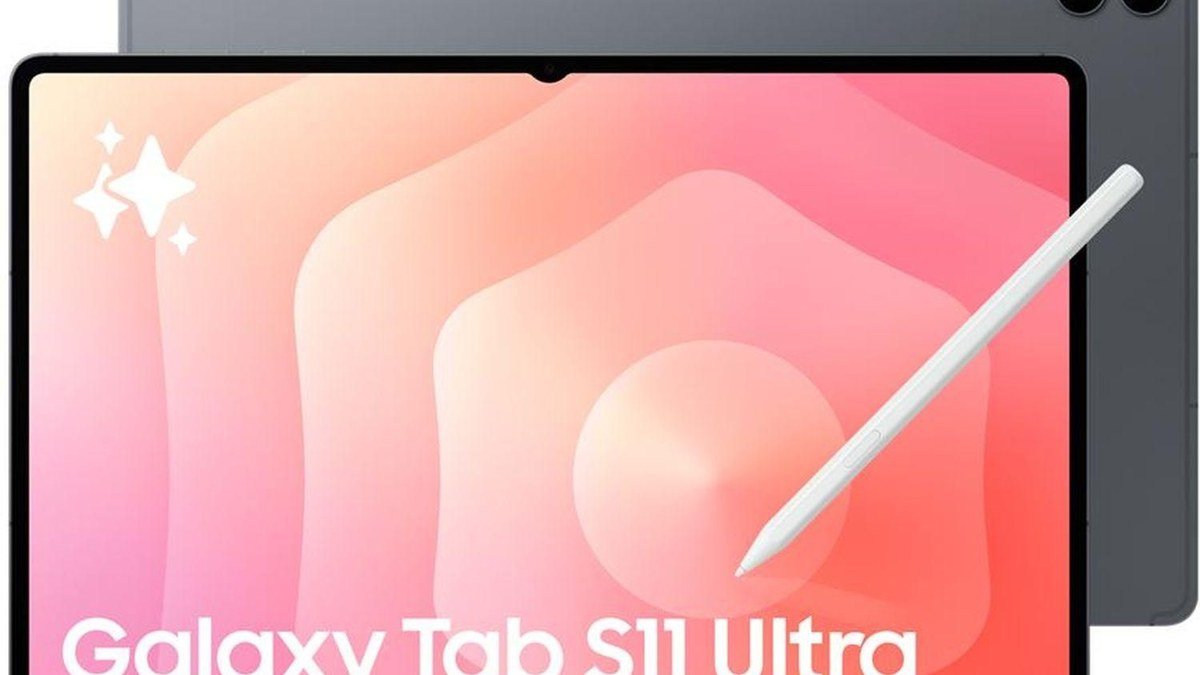
2. Samsung Galaxy Tab S11 Ultra (5G) — Best big-screen 5G Android tablet
If your tablet is a laptop replacement, the Tab S11 Ultra’s 14.6-inch AMOLED is the biggest canvas you can get with 5G built in. The 5G model keeps everything that makes this tablet absurd — desktop-class DeX mode, the included S Pen, a gorgeous 120Hz screen — and adds always-on connectivity. It’s enormous, and at around $1,300 for the 5G version it’s a serious investment. But for road warriors who want a full workspace with zero Wi-Fi dependence, nothing else comes close. Read our full take on why the Tab S11 Ultra is absurd in the best way.
Pros: Massive 14.6″ AMOLED; S Pen in the box; DeX desktop mode; strong 5G performance.
Cons: Huge and heavy; premium price; overkill if you just browse and stream.
Best for: Mobile professionals who want a laptop-class workspace with cellular.
3. iPad Air 11″ (M3, Cellular) — Best value 5G iPad
The iPad Air is the smart-money iPad: the M3 chip handles everything the Pro does in normal use, the 11-inch Liquid Retina display is excellent, and the cellular model brings the same eSIM 5G as the Pro for roughly $350 less. You give up the OLED screen, ProMotion 120Hz, and the very fastest chip — none of which matter for email, streaming, reading, and video calls on the go. At around $750 for cellular, it’s the 5G iPad most people should actually buy. Torn between iPads generally? Our guide to the best iPad for most people breaks down the lineup.
Pros: Pro-like performance for less; same easy eSIM 5G; lighter than the Pro.
Cons: 60Hz LCD instead of OLED; no Face ID; accessories still cost extra.
Best for: Most buyers who want a cellular iPad without the Pro price.
4. Samsung Galaxy Tab S10 FE (5G) — Best midrange 5G Android tablet
The Galaxy Tab S10 FE hits the sweet spot for Android users: a 10.9-inch 90Hz display, S Pen included in the box, Samsung’s long software support, and a 5G model that usually lands around $500 — hundreds less than the flagships. It’s not as fast as the Tab S11 series and the screen is LCD rather than AMOLED, but for streaming, browsing, note-taking, and video calls on cellular, it covers everything that matters. This is the 5G tablet to buy when you want Samsung’s ecosystem without the Ultra-sized bill.
Pros: S Pen included; 90Hz display; long software updates; fair 5G price.
Cons: LCD, not AMOLED; midrange chip; slower charging than flagships.
Best for: Android users who want 5G and an S Pen at a midrange price.
5. Samsung Galaxy Tab A9+ (5G) — Best budget 5G tablet
5G under $300? The Galaxy Tab A9+ 5G pulls it off. You get an 11-inch 90Hz display, quad speakers, a clean-enough Samsung software experience, and real sub-6 5G — all for around $270–300. The compromises are honest: a basic processor that stutters under heavy multitasking, modest cameras, and a plastic build. But as a kids’ travel tablet, a car entertainment screen, or a backup device that’s always online, it’s remarkable value. Buy it for light duties and it won’t disappoint.
Pros: Real 5G under $300; 90Hz 11″ screen; quad speakers; microSD expansion.
Cons: Slow chip for gaming and multitasking; basic cameras; shorter update support.
Best for: Budget buyers, kids, and anyone who wants cheap always-on connectivity.

Best 5G Tablets: Quick Comparison
| Tablet | Display | 5G type | Around |
|---|---|---|---|
| iPad Pro 11″ (M4) | 11″ OLED, 120Hz | eSIM sub-6 | $1,100 |
| Galaxy Tab S11 Ultra | 14.6″ AMOLED, 120Hz | eSIM/nano-SIM sub-6 | $1,300 |
| iPad Air 11″ (M3) | 11″ LCD, 60Hz | eSIM sub-6 | $750 |
| Galaxy Tab S10 FE | 10.9″ LCD, 90Hz | eSIM/nano-SIM sub-6 | $500 |
| Galaxy Tab A9+ | 11″ LCD, 90Hz | nano-SIM sub-6 | $300 |
Frequently Asked Questions
Is a 5G tablet worth it over a Wi-Fi tablet?
Depends where you use it. If your tablet rarely leaves home, save the money — Wi-Fi is fine. Travel, commute, or work from random locations? Instant connectivity with no phone tethering is genuinely worth the $100–150 premium plus the monthly plan.
Can I use my phone’s SIM card in a 5G tablet?
Usually not directly — most carriers want a separate tablet line or data plan, and moving your phone’s SIM into a tablet can violate plan terms. The standard move is adding a tablet line to your existing account, typically $10–15/month in the US, often with its own data bucket.
Do 5G tablets work as phone replacements?
Not really. Cellular iPads can’t place traditional phone calls or send SMS over the cellular network (FaceTime and iMessage work fine over data). Samsung tablets can handle calls on some carriers — but a 14-inch tablet held to your ear is a comedy sketch, not a workflow.
eSIM or physical SIM — which is better on a tablet?
eSIM wins for most people: nothing to lose, instant carrier switching, easy travel plans. Physical SIM slots help if you swap cards between devices or use local prepaid SIMs abroad. Samsung’s dual eSIM/SIM tablets give you both.
How much mobile data does a tablet actually use?
Light use (email, maps, browsing) runs 2–5GB a month. Add an hour of daily HD streaming and you’re at 30–60GB. Heavy video and hotspot duty can blow past 100GB. Start mid-tier, check real usage after a month, then decide about unlimited.

Final Verdict
The iPad Pro 11″ (M4, cellular) is the best 5G tablet you can buy — unmatched screen, speed, and eSIM simplicity — but the iPad Air 11″ delivers 90% of it for much less and is our pick for most people. Android loyalists should choose between the Galaxy Tab S11 Ultra 5G (the ultimate mobile workspace) and the Tab S10 FE 5G (the sensible midrange). And if you just need cheap, always-on connectivity, the Galaxy Tab A9+ 5G is the bargain of the category. Buy unlocked, match the bands to your carrier, and never hunt for Wi-Fi again.
Where to Buy: Compare Prices on Daraz · Check AliExpress Price
Check the price on AliExpress — the global marketplace with millions of tech products.
As an AliExpress affiliate, we may earn a commission on qualifying purchases.