Alexa vs Google Home vs Apple Home in 2026: Which Smart Home Ecosystem Should You Build On?
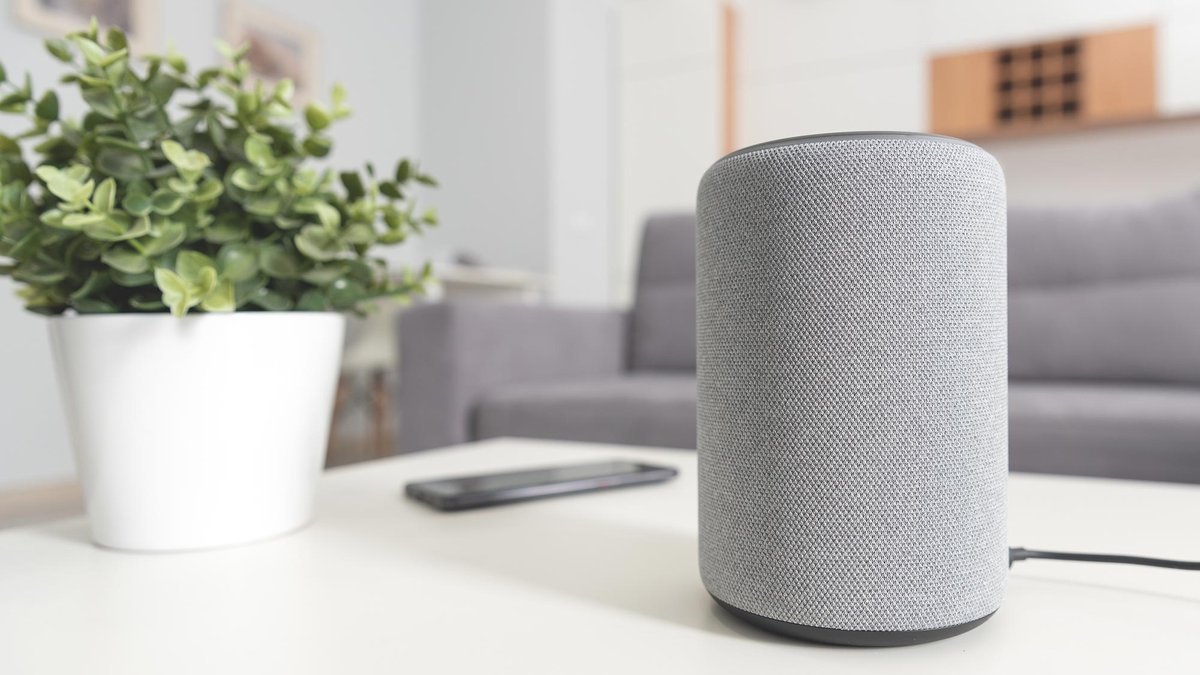
Picking a smart home ecosystem is the most consequential decision in home automation — bigger than any single gadget. The platform you pick decides which devices play together, how reliable your automations are, and how painful switching gets later. So in the 2026 Alexa vs Google Home vs Apple Home debate, which one actually deserves your home?
The honest answer: there’s no universal winner, but there is a right answer for you. It comes down to your phone, your privacy comfort level, and how deep you plan to go. This guide breaks down what each ecosystem actually offers, compares them on the things that matter, and helps you commit with confidence.
Disclosure: This article contains affiliate links. As an Amazon Associate, we earn from qualifying purchases. We may also earn commissions from Daraz and AliExpress purchases made through links on this page, at no extra cost to you.
What Each Ecosystem Offers in 2026
Amazon Alexa: The Biggest Device Selection
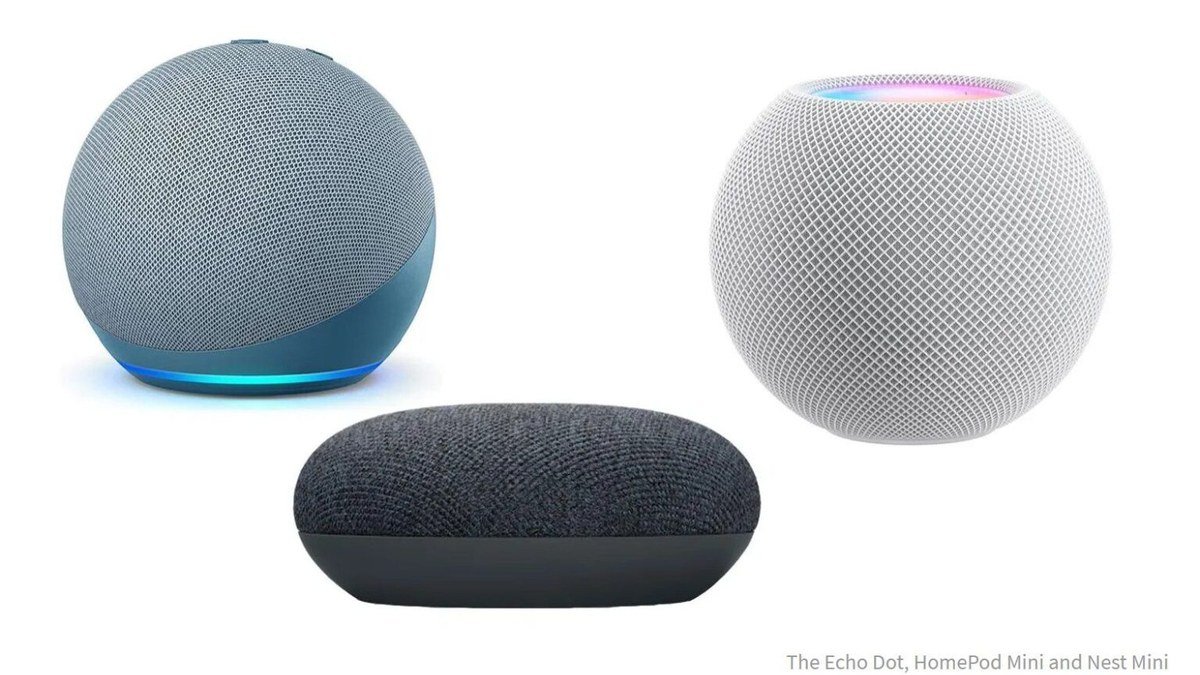
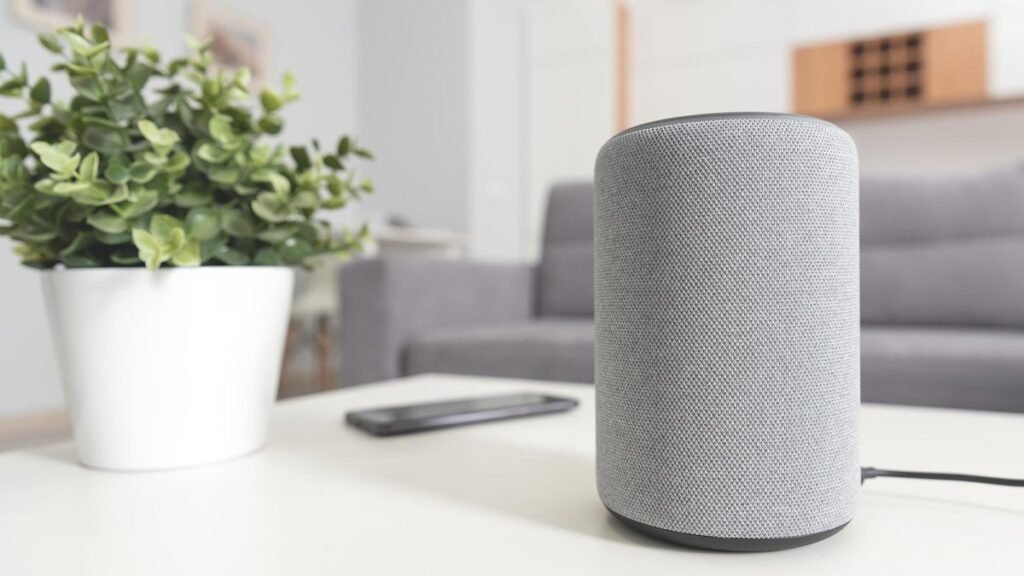
Alexa is still the compatibility king. More smart home devices work with Alexa than any other platform — bulbs, plugs, locks, cameras, thermostats, you name it. Echo speakers and displays are cheap and everywhere, Alexa Routines are genuinely powerful for building automations, and features like Alexa Guard can listen for smoke alarms or breaking glass. If you want the widest hardware choice at the lowest prices, Alexa remains the default.
The trade-offs: Amazon’s business is selling you things, and Alexa’s shopping nudges and ads on Echo devices can grate. Privacy-conscious buyers should know voice recordings live in Amazon’s cloud unless you change the settings. Still, for device support per dollar, nothing touches it — see our best smart speakers of 2026 for the Echo models worth buying.
Google Home: The Smartest Assistant
Google Assistant is simply the best at understanding natural speech and answering questions — years of search expertise showing through. The Google Home app is clean, Nest devices (thermostats, cameras, doorbells) are excellent, and routines handle multi-step automations well. If your digital life already runs on Gmail, Google Calendar, and Android, Google Home slots right in.
The catch is commitment: Google has a habit of killing products, and its smart home hardware lineup is thinner than Amazon’s. Device compatibility is broad but a step behind Alexa. For households that prize the assistant’s brains over the catalog’s breadth, though, Google Home is the pick.
Apple Home: The Privacy-First, Premium Option
Apple Home (formerly HomeKit) takes a different path: local processing first, strong encryption, no ad business behind it. Automations run on your home hub — an Apple TV or HomePod — and keep working when the internet drops. The Home app is polished, and with Matter now standard, the old complaint about limited device choice has faded a lot.
The price of admission is the Apple tax: you need Apple devices to run it well (an iPhone plus a home hub), and HomeKit-compatible gear often costs more than its Alexa equivalents. But if your household is already iPhone-based and privacy matters to you, Apple Home is the most trustworthy foundation you can build on.
Alexa vs Google Home vs Apple Home: 5 Key Differences
1. Voice Assistant Quality
Google Assistant reads context and follow-up questions better than either rival — “turn it off” after asking about the living room lamp just works. Alexa is close behind and stronger on smart-home-specific commands thanks to wider device support. Siri has improved but still trails on general knowledge; it shines at on-device smart home control, where speed and privacy beat trivia answers.
2. Device Compatibility
Alexa supports the most devices by a clear margin — if the gadget exists, it probably works with Alexa. Google Home covers the vast majority of mainstream devices. Apple Home used to lag here, but Matter changed the equation: most new devices launching in 2026 support Matter, so they work across all three platforms. The gap is narrower than ever, though Alexa still wins on obscure and budget brands.
3. Privacy and Data
This is Apple Home’s strongest argument. Apple processes as much as possible on-device, encrypts Home data end to end, and doesn’t monetize your behavior. Google and Amazon both process voice in the cloud and use data to improve services (and, in Amazon’s case, to sell you things). Both let you review and delete recordings, but the default posture differs a lot: Apple collects the least, Amazon the most.
4. Reliability and Local Control
Apple Home takes this one too: with a home hub, automations run locally and survive internet outages. Google Home and Alexa have added more local execution over the years, but both still lean on the cloud for much of their logic — when the internet drops, some routines and remote access stop working. If your automations are load-bearing (locks, security, lighting schedules), local-first matters.
5. Cost of Entry
Alexa is the cheapest way in: Echo Dots regularly sell for under $30, and Alexa-compatible devices are the most aggressively priced. Google Home sits in the middle — Nest hardware is reasonably priced but rarely as cheap as Echo gear. Apple Home costs the most: you need an iPhone, a home hub (Apple TV or HomePod mini), and HomeKit/Matter devices that typically run 10–30% more than Alexa equivalents.
Whichever way you lean, our roundup of the best smart home devices of 2026 flags which gadgets play nicely with each ecosystem.
Comparison Table: Alexa vs Google Home vs Apple Home
| Amazon Alexa | Google Home | Apple Home | |
|---|---|---|---|
| Voice assistant smarts | Very good | Best in class | Good, improving |
| Device compatibility | Widest | Very broad | Broad (via Matter) |
| Privacy | Weakest defaults | Middle ground | Strongest |
| Local control / offline | Partial | Partial | Yes, with home hub |
| Cost of entry | Lowest | Moderate | Highest |
| Required phone | Any | Any (best on Android) | iPhone required |
Smart Home Ecosystem FAQs
Can I use devices from multiple ecosystems together?
Increasingly, yes. Matter is the industry standard that lets one device work with Alexa, Google Home, and Apple Home at the same time — buy Matter-certified gear and you’re not locked in. Older or cheaper devices may only support one or two platforms, so check the compatibility labels before buying if you plan to mix.
Which ecosystem is best for beginners?
Alexa, for most people. The devices are cheap, setup walks you through it, and if something breaks there’s a massive community and endless tutorials. Google Home is nearly as easy if you already live in Google’s world. Apple Home is simple to use but assumes you own Apple hardware, which raises the starting cost.
Is Apple Home worth it if I don’t have an iPhone?
No — don’t bother. Apple Home needs an iPhone or iPad for setup and management; without one, you can’t use it at all. Android users should pick between Alexa and Google Home, and honestly can’t go wrong with either.
Which is best for privacy?
Apple Home, no contest. Local processing, end-to-end encryption, and a business model that doesn’t run on your data. Google and Amazon both give you privacy controls — delete recordings, limit data use — but their defaults collect more, and Amazon’s ad-driven model is fundamentally at odds with minimal data collection.
Should I wait for Matter to mature before choosing?
Matter is already mature enough to build on in 2026 — every major platform supports it, and most new devices ship with it. No need to wait. Just favor Matter-certified devices when you buy, and whichever ecosystem you pick today will stay compatible with your gear for years.

Final Verdict: Which Ecosystem Should You Choose?
Match the ecosystem to your life, not to a spec sheet. Pick Alexa if you want the widest device selection at the lowest prices and don’t mind Amazon’s data practices — still the best value in smart homes. Pick Google Home if you live in Google’s world and want the smartest voice assistant, especially on Android. Pick Apple Home if your household runs on iPhones, you value privacy, and you’ll pay more for local, reliable automation.
Our overall pick for most US households in 2026: Alexa for the budget-conscious, Apple Home for iPhone families who’ll pay for privacy, Google Home for everyone in between. And remember — with Matter, you’re never as locked in as before. Start with a couple of smart plugs and a speaker (our best smart lights of 2026 guide is the natural next step), then expand from there.
Check Echo prices on Amazon · Check Nest prices on Amazon · Smart home deals on Daraz · Smart home deals on AliExpress
Where to Buy: Compare Prices on Daraz · Check AliExpress Price
Check the price on AliExpress — the global marketplace with millions of tech products.
As an AliExpress affiliate, we may earn a commission on qualifying purchases.