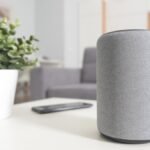
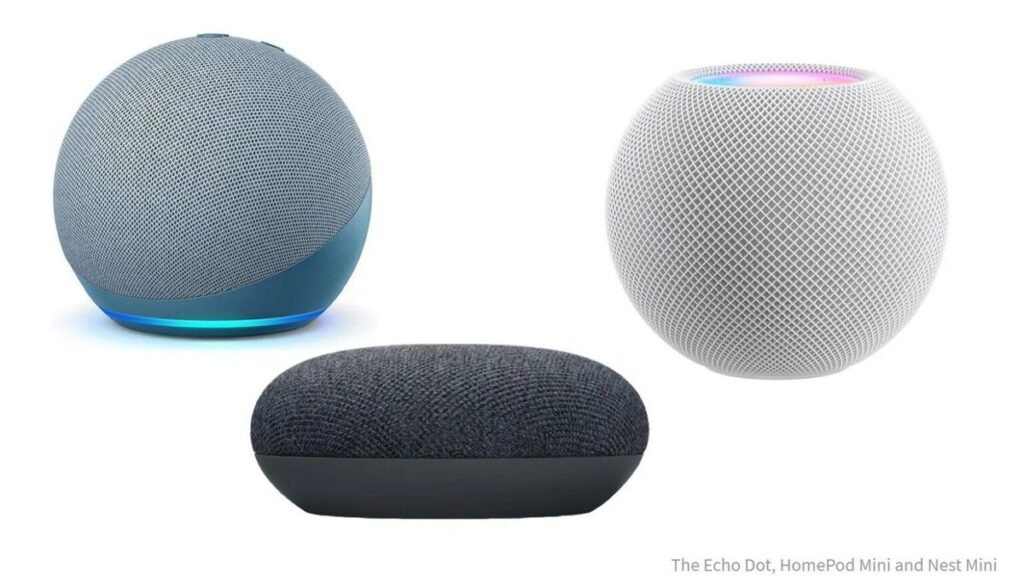
The best smart speakers of 2026 aren’t just louder versions of old ones — they’re genuinely more useful. The big shift is AI: Amazon’s Alexa+ makes conversations feel natural instead of transactional, Apple’s Siri keeps getting sharper inside the Home app, and even portable speakers now double as smart-home controllers. But there’s a trap most buyers walk into: the “best” speaker is almost entirely decided by the ecosystem you already live in. Buy the wrong one and you get a great speaker that fights your lights, your plugs, and your phone. This guide compares the three smart speakers worth buying in 2026 — the Amazon Echo Dot Max for Alexa households, the Apple HomePod mini for iPhone users, the Sonos Move 2 for people who want great sound that moves — and how to choose between them without regrets.
Why smart speakers got good again
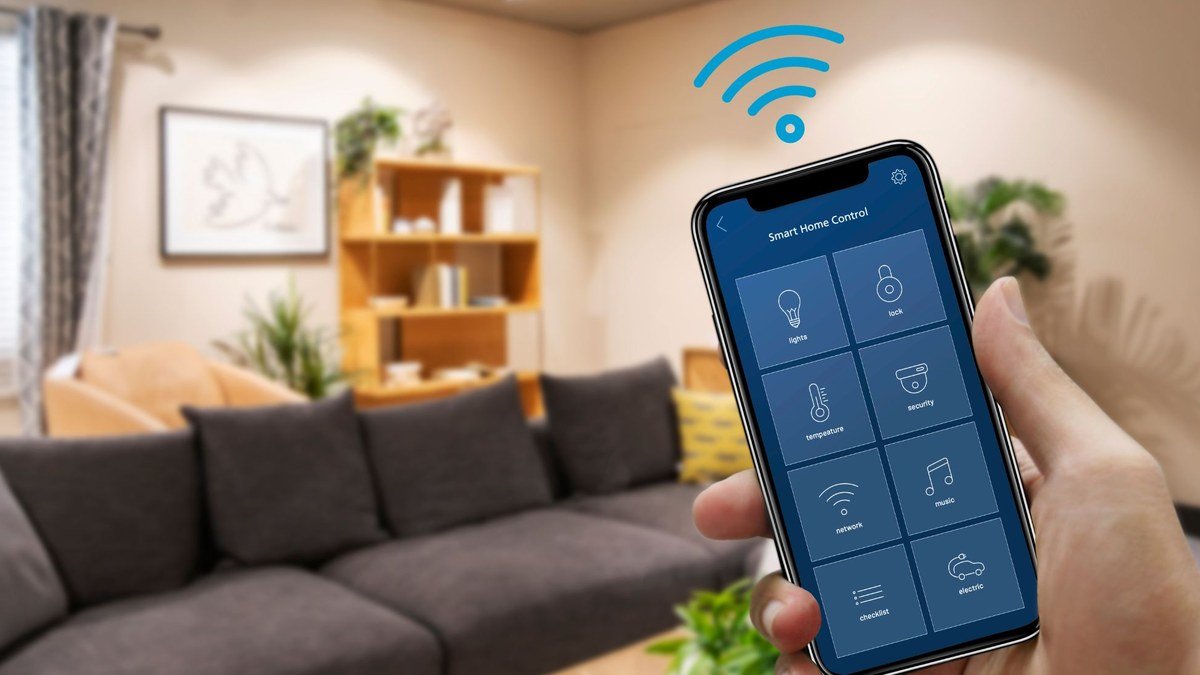
For years, smart speakers felt stuck. Timers, music, weather — and that was about it. Ask anything complex and you’d get “here’s what I found on the web.” What changed is the assistant layer. Alexa+ brings generative-AI conversation to Echo speakers: follow-up questions, memory of past chats, and genuinely useful smart-home orchestration (“movie night” dims the lights, closes the blinds, starts the TV). Apple’s HomePod line gets deeper Home app integration and on-device Siri that keeps common commands fast and private. And Matter — the universal smart-home standard — means speakers from different brands now control the same bulbs and plugs, shrinking the ecosystem lock-in problem (though not erasing it). The result: a 2026 smart speaker is less a novelty, more the voice-controlled front door to your home. Building out that home? Our smart home devices guide covers the gadgets worth pairing with one.
How to choose a smart speaker
Forget spec sheets for a moment. Three decisions determine whether you’ll love or resent your smart speaker.
1. Pick your ecosystem first, speaker second
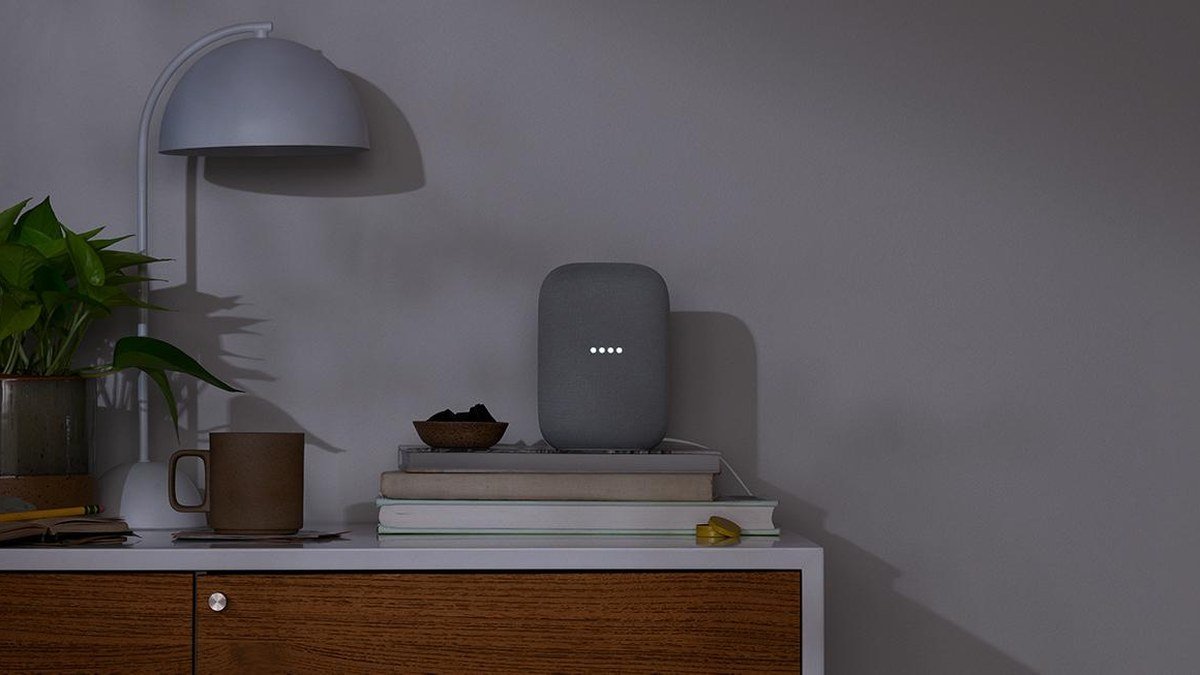
This is the decision that matters most. Deep in Alexa — Echo devices, Ring cameras, Alexa-compatible plugs? An Echo speaker slots in seamlessly. Living in Apple’s world with an iPhone, Apple TV, and HomeKit gear? The HomePod mini saves you endless compatibility headaches. Google Home household? Check Google’s current Nest lineup before anything else. A speaker from the “wrong” ecosystem still plays music fine — but you lose the deep smart-home integration that makes these devices worth owning.
2. Decide what the speaker is for
Be honest about the job. Background music in the kitchen? Voice control for lights and timers? Serious music listening? A small bedroom speaker has a completely different job from the one anchoring your living room. Small speakers nail voice tasks and casual listening — but if music quality is the priority, you need bigger drivers, which means spending more or going portable.
3. Consider placement and portability
Most smart speakers live on a shelf forever, plugged into the wall. But want music on the patio, in the garage, or at a friend’s place? A portable speaker with a battery earns its premium fast. Also think room by room: a speaker with a built-in smart-home hub (like the Echo Dot Max’s Zigbee radio) can replace a separate hub entirely.
4. Don’t ignore privacy comfort
Every smart speaker has an always-on mic listening for its wake word. Apple processes more on-device and collects less; Amazon and Google lean on the cloud. All three let you mute the mic with a physical button. Decide what you’re comfortable with before the speaker moves in — not after.
The best smart speakers of 2026
Best overall: Amazon Echo Dot Max
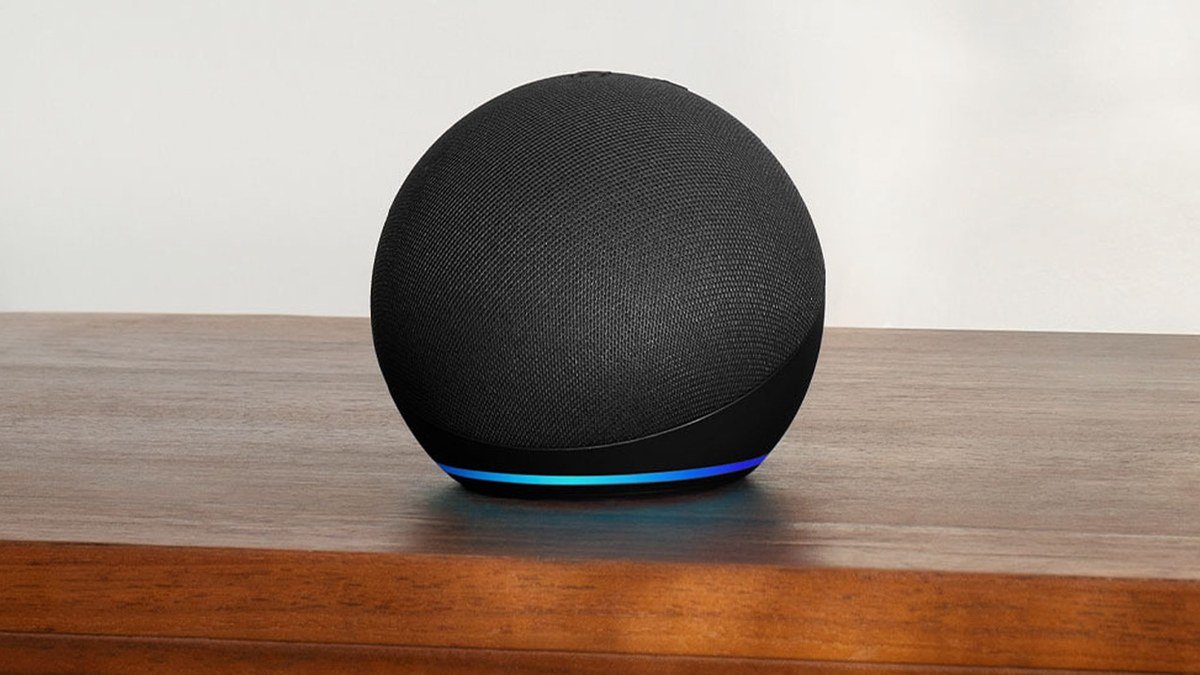
The Echo Dot Max is the easy pick if you’re invested in Alexa. It’s a real step up from smaller Echo speakers: a 2.5-inch woofer plus dedicated tweeter delivers room-filling sound with genuine bass presence, and automatic room adaptation tunes the audio to wherever you put it. But the hardware is only half the story — the Dot Max is built for Alexa+, Amazon’s generative-AI assistant, which makes conversations feel natural and handles multi-step smart-home routines far better than old Alexa. It also doubles as a smart-home hub with Zigbee, Matter, and Thread built in, so it controls compatible devices directly — no separate hub needed. Reviewers call the sound good rather than class-leading at this price (the similarly priced HomePod mini edges it on pure audio refinement), but as a complete Alexa package, nothing touches it.
Pros:
- Best-in-class Alexa experience with Alexa+ conversational AI
- Built-in Zigbee/Matter/Thread hub replaces a separate hub
- Big sound upgrade over smaller Echo speakers; room adaptation works well
- Excellent smart-home compatibility and routine support
Cons:
- Audio refinement trails the HomePod mini at a similar price
- No 3.5mm jack — no wired audio input or output
Best for: Alexa households that want one small speaker to handle music, timers, and whole-home voice control.
Best for Apple users: Apple HomePod mini
If your home runs on iPhone, the HomePod mini makes more sense than any spec sheet suggests. It’s small enough to stash anywhere, sounds surprisingly full for its size — warm, balanced audio — and the real advantage is how it melts into the Apple ecosystem. Handoff from iPhone, Intercom announcements across rooms, Apple Home automation, Thread border-router duties — all with Apple’s trademark polish. Siri handles smart-home commands locally for speed and privacy, and Apple’s differential-privacy approach means less of your voice data trains models in the cloud. The limitation is breadth: outside Apple Home and Apple Music, the mini is less flexible than Alexa speakers, and Spotify users have to stream via AirPlay instead of natively.
Pros:
- Excellent sound for its size; refined, balanced tuning
- Seamless Apple ecosystem integration (Handoff, Intercom, Home app)
- Stronger on-device privacy than cloud-first rivals
- Doubles as a Thread border router for HomeKit setups
Cons:
- Much less useful outside the Apple ecosystem
- No native Spotify support; fewer third-party integrations than Alexa
Best for: iPhone users who want a speaker that melts into their existing Apple setup.
Best portable: Sonos Move 2
The Sonos Move 2 is for people who refuse to choose between a home speaker and an outdoor speaker. True stereo from dual tweeters and a woofer, with automatic Trueplay tuning that re-adapts the audio every time you set it down. Up to 24 hours of battery, IP56 shrugging off dust and splashes, and seamless switching between Wi-Fi at home and Bluetooth on the go. Alexa built in, and it slots into a Sonos multi-room system. The catch is the price — several times an Echo Dot Max or HomePod mini — and at over 6 pounds it’s “portable” in the carry-it-to-the-patio sense, not the toss-it-in-a-backpack sense. But if you want one speaker that moves from living room to backyard without compromise, this is it.
Pros:
- Superb stereo sound with automatic Trueplay room tuning
- Up to 24-hour battery; IP56 dust and water resistance
- Wi-Fi + Bluetooth for seamless home-to-outdoor transitions
- Integrates with Sonos multi-room audio
Cons:
- Expensive compared to stationary smart speakers
- Heavy for a “portable” speaker; IP56 is splash-resistant, not waterproof
Best for: Music lovers who want one premium speaker for both indoor listening and outdoor gatherings.
Smart speaker comparison
| Feature | Echo Dot Max | HomePod mini | Sonos Move 2 |
|---|---|---|---|
| Voice assistant | Alexa+ (generative AI) | Siri (on-device) | Alexa / Sonos Voice |
| Best ecosystem | Alexa / Amazon | Apple Home | Sonos / multi-platform |
| Sound | Big, bass-forward | Refined, balanced | Best-in-class stereo |
| Portable | No | No | Yes — 24h battery, IP56 |
| Smart-home hub | Yes (Zigbee/Matter/Thread) | Thread border router | No |
| Privacy approach | Cloud-based, mic mute button | On-device processing | Mic mute button |
As an Amazon Associate I earn from qualifying purchases.
Smart speaker FAQs
Which smart speaker has the best sound quality?
For pure audio, the Sonos Move 2 leads this group — true stereo separation, dual tweeters, automatic room tuning. It’s in a different league from compact speakers. Between the two stationary picks, the HomePod mini is the more refined listen with better mids and highs, while the Echo Dot Max plays louder with punchier bass. Room acoustics matter enormously, so keep any speaker away from walls and corners for the best results.
Is Alexa+ worth it on the Echo Dot Max?
Alexa+ is the biggest reason to buy an Echo speaker in 2026. It swaps the old command-and-response Alexa for conversational AI that remembers context, handles follow-ups, and runs multi-step routines. Free for Prime members (paid otherwise), and the Dot Max’s newer chip runs it smoothly. Already paying for Prime? It’s effectively a free upgrade to the whole Echo experience.
Can I use a HomePod mini without an iPhone?
Technically you can set one up with an iPad — but practically, no. The HomePod mini is built for Apple households. Android users lose Handoff, personal requests tied to iPhone apps, and most of the setup simplicity. Don’t own Apple devices? Buy an Echo or Nest speaker instead. You’ll get far more for your money.
Do I still need to worry about ecosystem lock-in with Matter?
Less than before — but yes. Matter lets devices from different brands work together for basic control; a Matter bulb pairs with Alexa, Google, or Apple regardless of brand. But advanced features (routines, presence detection, energy dashboards) still live inside each ecosystem’s app. Our advice stands: pick the ecosystem matching the phone in your pocket, then buy Matter-compatible accessories like the best smart lights of 2026 so you’re never trapped.
What’s the best smart speaker for a smart home starter setup?
The Echo Dot Max. Its built-in Zigbee/Matter/Thread hub lets you add compatible bulbs, plugs, and sensors with no separate hub, and Alexa has the broadest third-party device support. Start with the speaker plus a smart plug and a bulb — our cloud-free smart home guide shows how to build from there while keeping your data local.
Final verdict
The best smart speaker of 2026 is the one that matches your home. Alexa household? The Echo Dot Max is the obvious, excellent default — better sound, a real smart-home hub, the Alexa+ upgrade. iPhone family? The HomePod mini’s seamless integration and refined audio are worth the ecosystem trade. Want great sound that follows you outside? The Sonos Move 2 justifies its premium every time it leaves the living room. Whatever you pick, decide the ecosystem before the speaker — that one decision determines whether your smart speaker becomes the most-used gadget in your home or an expensive paperweight.
Affiliate Disclosure: This article contains affiliate links. If you purchase through them, we may earn a commission at no extra cost to you.
Where to Buy: Check Price on Amazon · Compare Prices on Daraz · Check Daraz Deals · Check AliExpress Price · See AliExpress Deals
Check the price on AliExpress — the global marketplace with millions of tech products.
As an AliExpress affiliate, we may earn a commission on qualifying purchases.