
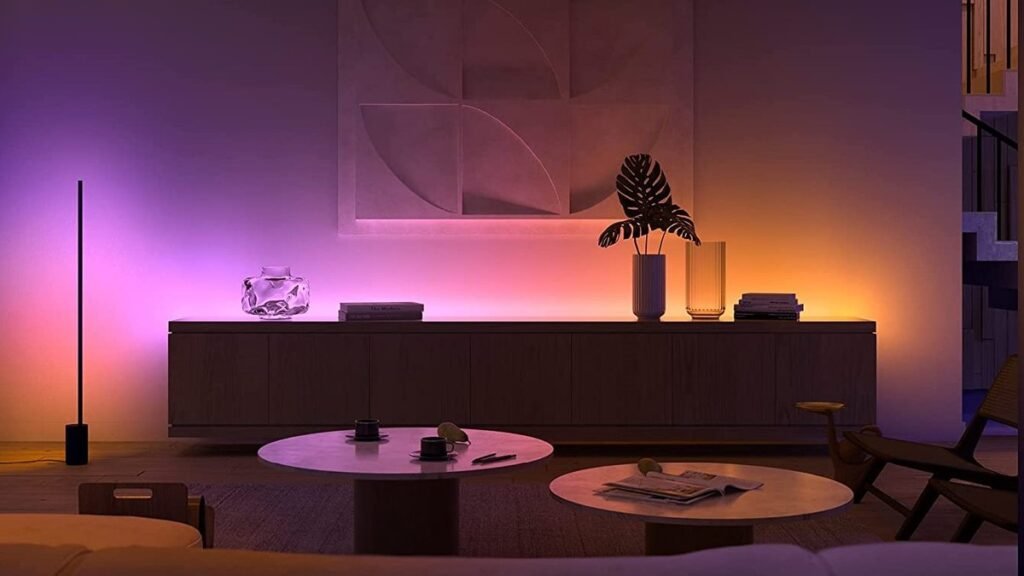
<p>The best smart light bulbs of 2026 are finally easy to recommend without caveats. It wasn’t long ago that smart lighting meant dim bulbs, flaky apps, and a separate hub for every brand. That era is over: today’s bulbs are brighter than the dumb bulbs they replace, they set up in minutes, and the Matter standard means one bulb can work with Alexa, Google, and Apple at the same time. Whether you want a single color-changing bulb for your bedroom, dramatic lighting for a gaming setup, or a whole-home system that just works, this guide covers the three smart lights worth buying — the budget-champion TP-Link Tapo L535E, the fun GE Cync Dynamic Effects BR30, and the reliable Philips Hue ecosystem — plus how to choose without overspending.</p>
<h2>Why Smart Lights Are Finally Worth It</h2>
<p>Three things changed. First, brightness: budget smart bulbs now hit 1,000+ lumens, genuinely replacing 60W-equivalent bulbs instead of supplementing them. Second, setup: Matter-over-WiFi bulbs pair with your phone in minutes and join whichever smart-home platform you already use — no proprietary hub required for most picks. Third, price: good color bulbs now cost little more than quality dumb LEDs, so outfitting a room doesn’t require a spreadsheet. The use cases have matured too. Beyond party-trick colors, people now buy smart bulbs for circadian-friendly warm-to-cool white tuning, wake-up routines that ease you out of sleep, movie-night scenes, and security-style scheduling that makes an empty home look occupied. Our guide on <a href=”https://genzgadgetszone.com/how-to-turn-your-smart-lights-into-a-security-system-without-buying-an-alarm/”>turning smart lights into a security system</a> shows how far a few bulbs can go.</p>
<img src=”https://genzgadgetszone.com/wp-content/uploads/2026/10/the-best-smart-lights-of-2026-yes-theyre-finally-worth-it-in1.jpg” alt=”The Best Smart Lights of 2026 — Yes, They’re Finally Worth It” loading=”lazy” />
<h2>How to Choose Smart Lights</h2>
<p>Smart lighting is dangerously easy to overspend on — one bulb becomes five becomes a light strip becomes outdoor floods. These four decisions keep you in control.</p>
<h3>1. Start with the bulb type you actually need</h3>
<p>A19 is the standard screw-in bulb for lamps and ceiling fixtures. BR30 is the wider floodlight shape for recessed can lights. Light strips go behind TVs and desks. Buy for the fixture you have, not the fixture you wish you had — and remember that one great bulb in the right lamp beats three mediocre ones scattered around.</p>
<h3>2. Check Matter and platform support</h3>
<p>In 2026, Matter support is the closest thing to future-proofing. A Matter bulb works with Alexa, Google Home, Apple Home, and SmartThings, so you’re not locked into one ecosystem if you switch phones or assistants later. Also confirm the bulb doesn’t need a proprietary hub unless you’re deliberately buying into that ecosystem (like Hue).</p>
<h3>3. Brightness matters more than colors</h3>
<p>You’ll use white light 95% of the time. Check the lumen rating at white — 800 lumens is the minimum for a main room light, 1,000+ is better. Color quality matters for fun, but a dim bulb with great colors is still a dim bulb. Also look at the white temperature range (2700K warm to 6500K cool) for that circadian-friendly tuning.</p>
<h3>4. Set a budget before you start</h3>
<p>This is the honest catch with smart lighting: it expands. A starter budget might be one or two bulbs for the bedroom. A room makeover might be four bulbs plus a strip. Decide the number before you shop, because “just one more bulb” is how a $40 project becomes a $400 project.</p>
<h2>The Best Smart Lights of 2026</h2>
<h3>Budget champion: TP-Link Tapo L535E</h3>
<p>The Tapo L535E is the bulb that makes smart lighting an easy yes. It produces up to 1,055 lumens — brighter than a standard 60W bulb — supports millions of colors plus tunable warm-to-cool white, works with Matter, and needs no dedicated hub. TP-Link lists support for Alexa, Siri, and Google Assistant, so it slots into whatever ecosystem you already use. In practice, that means one bulb handles movie-night colors, focused cool-white work light, and warm evening wind-down — all from the app or your voice. Setup takes minutes over Wi-Fi. The value proposition is almost unfair: you can outfit an entire room for the price of a single premium bulb. The main limitation is that it is a Wi-Fi bulb, so a house full of them adds devices to your wireless network — fine for a handful of bulbs, worth knowing if you plan to deploy twenty.</p>
<p><strong>Pros:</strong></p>
<ul>
<li>Excellent brightness (1,055 lumens) at a budget price</li>
<li>Matter support with no hub required; works with Alexa, Siri, Google</li>
<li>Millions of colors plus tunable white (warm to cool)</li>
<li>Easy app setup with scenes and scheduling</li>
</ul>
<p><strong>Cons:</strong></p>
<ul>
<li>Wi-Fi only — many bulbs can congest older routers</li>
<li>No Thread support for the most responsive mesh setups</li>
</ul>
<p><strong>Best for:</strong> First-time smart bulb buyers and anyone outfitting multiple rooms on a budget.</p>
<h3>Color king: GE Cync Dynamic Effects BR30</h3>
<p>If the Tapo is the sensible choice, the GE Cync Dynamic Effects BR30 is the fun one. Its standout trick is that different sections of the bulb can display different colors simultaneously — gradients and dynamic effects rather than a single flat color. That makes it dramatically more interesting for gaming setups, movie rooms, and parties: think a sunset gradient washing across the ceiling or reactive-feeling color zones behind a TV. It is a BR30 floodlight shape, so it is made for recessed can lights rather than table lamps — check your fixtures before buying. The Cync app and platform support are solid, though the ecosystem is narrower than Tapo’s Matter-first approach or Hue’s mature platform. Buy this bulb for effect lighting, not as your only white-light workhorse.</p>
<p><strong>Pros:</strong></p>
<ul>
<li>Multi-zone color effects — gradients, not just flat color</li>
<li>Perfect for gaming setups, movie rooms, and parties</li>
<li>BR30 shape fits recessed can lights</li>
</ul>
<p><strong>Cons:</strong></p>
<ul>
<li>Effect bulb, not a great primary white-light source</li>
<li>Narrower ecosystem than Matter-first alternatives</li>
</ul>
<p><strong>Best for:</strong> Gamers and movie lovers who want dramatic, dynamic room lighting.</p>
<h3>The reliable choice: Philips Hue</h3>
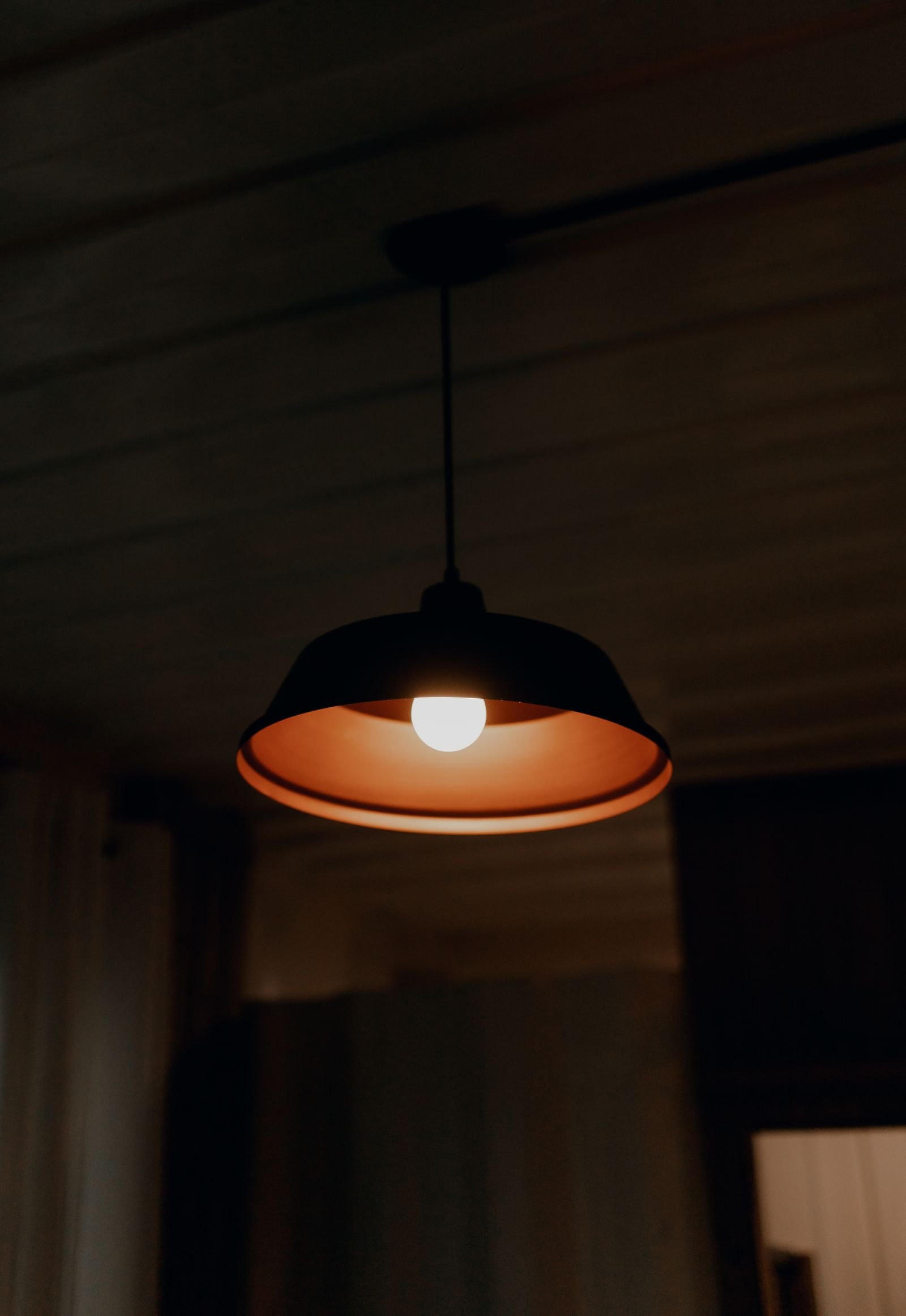
<p>Philips Hue is the reason smart lighting exists as a category, and it is still the ecosystem to beat for reliability. The app experience is the most polished, the range of bulbs/switches/strips/accessories is unmatched, and once set up, Hue gear simply stays connected — no random drop-offs, no 2 a.m. reconnection rituals. For whole-home lighting that the whole family uses, that reliability is worth real money. The downsides are equally real: Hue is expensive per bulb, and while newer bulbs support Matter and Bluetooth, getting the full experience (including the best automation and accessory support) still favors owning the Hue Bridge. Costs climb fast once you add switches, strips, and outdoor lights. But if you want lighting you never have to think about, Hue remains the gold standard.</p>
<p><strong>Pros:</strong></p>
<ul>
<li>Most reliable connectivity in the business — bulbs stay connected</li>
<li>Huge ecosystem: bulbs, strips, switches, sensors, outdoor</li>
<li>Best-in-class app with scenes, routines, and automation</li>
</ul>
<p><strong>Cons:</strong></p>
<ul>
<li>Expensive — whole-home setups add up quickly</li>
<li>Full experience still favors buying the Hue Bridge</li>
</ul>
<p><strong>Best for:</strong> Whole-home lighting where reliability matters more than per-bulb price.</p>
<img src=”https://genzgadgetszone.com/wp-content/uploads/2026/10/the-best-smart-lights-of-2026-yes-theyre-finally-worth-it-in2.jpg” alt=”The Best Smart Lights of 2026 — Yes, They’re Finally Worth It” loading=”lazy” />
<h2>Smart Light Comparison</h2>
<table>
<tbody><tr><th>Feature</th><th>Tapo L535E</th><th>GE Cync Dynamic Effects BR30</th><th>Philips Hue</th></tr>
<tr><td>Brightness</td><td>Up to 1,055 lumens</td><td>Moderate (effect-focused)</td><td>Up to 1,100+ lumens (varies)</td></tr>
<tr><td>Bulb shape</td><td>A19 (standard)</td><td>BR30 (recessed cans)</td><td>A19, BR30, GU10, and more</td></tr>
<tr><td>Hub required</td><td>No</td><td>No</td><td>Recommended (Bridge)</td></tr>
<tr><td>Matter support</td><td>Yes</td><td>Varies by model</td><td>Yes (newer bulbs)</td></tr>
<tr><td>Standout trait</td><td>Value + brightness</td><td>Multi-zone color effects</td><td>Reliability + ecosystem</td></tr>
<tr><td>Price tier</td><td>Budget</td><td>Mid-range</td><td>Premium</td></tr>
</tbody></table>
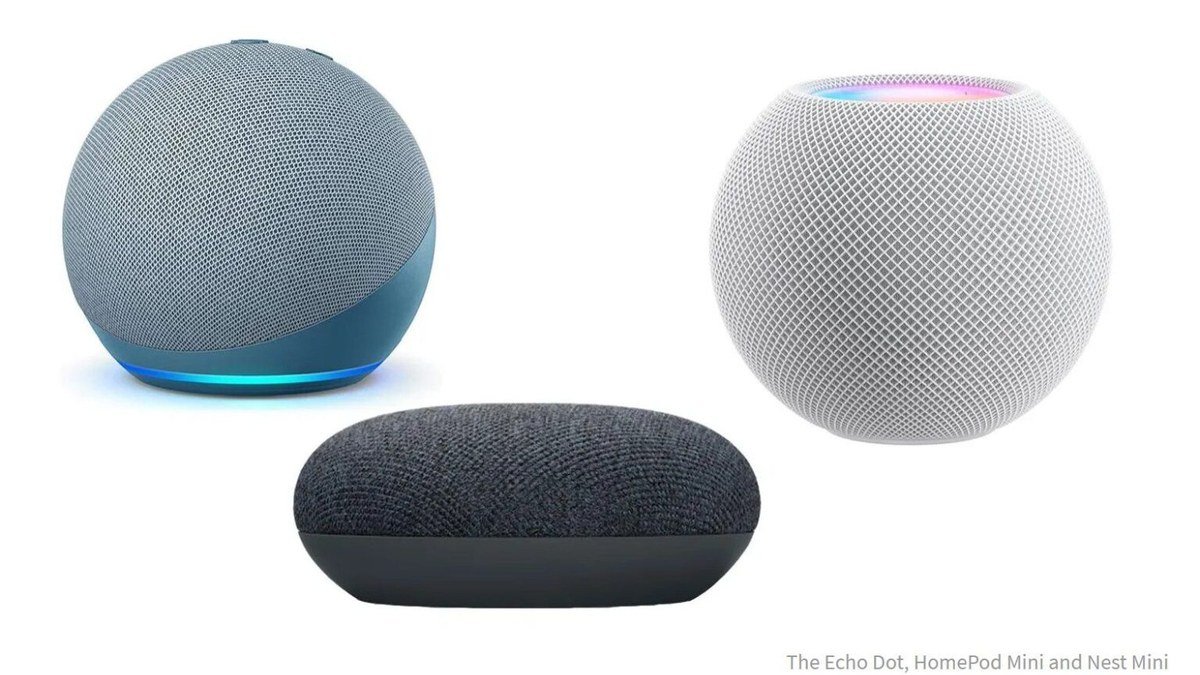
<p>Building beyond bulbs? Our <a href=”https://genzgadgetszone.com/the-best-smart-home-devices-of-2026-the-ones-actually-worth-buying/”>best smart home devices guide</a> covers plugs, sensors, and the other gadgets that turn lighting into a real system, and our <a href=”https://genzgadgetszone.com/the-best-smart-speakers-of-2026-your-voice-assistant-finally-got-useful/”>smart speaker guide</a> picks the best voice controllers to pair with them.</p>
<div class=”ggz-affiliate-box” style=”background:#f7f9fc;border:1px solid #e2e8f0;border-radius:12px;padding:20px 22px;margin:28px 0;text-align:center;”><a href=”https://www.amazon.com/dp/B0CFG9SHPQ/?tag=genzgadgetszo-20″ target=”_blank” rel=”nofollow sponsored noopener” style=”display:inline-block;background:#ff9900;color:#fff;font-weight:700;padding:12px 28px;border-radius:8px;text-decoration:none;”>Check Price on Amazon</a><p style=”font-size:12px;color:#718096;margin:10px 0 0;”>As an Amazon Associate I earn from qualifying purchases.</p></div>
<h2>Smart Light FAQs</h2>
<h3>Do smart bulbs work without a hub?</h3>
<p>Most modern ones do. Wi-Fi bulbs like the Tapo L535E connect directly to your router and your phone — no hub needed. Philips Hue works without its Bridge for basic control over Bluetooth, but you need the Bridge for remote access, routines, and accessories. As a rule: if the bulb supports Matter over Wi-Fi, you can skip the hub.</p>
<h3>Are smart bulbs worth it for renters?</h3>
<p>Absolutely — they’re one of the best renter upgrades in tech. No wiring, no drilling, no landlord permission: you unscrew the old bulb, screw in the smart one, and take it with you when you move. A color-tunable bulb can completely change a rental bedroom’s atmosphere for the price of a pizza.</p>
<h3>What’s the best smart bulb for a gaming setup?</h3>
<p>For pure effect, the GE Cync Dynamic Effects BR30 — its multi-zone gradients are made for gaming ambience. For a budget gaming room, a couple of Tapo L535E bulbs in floor lamps give you colors plus genuinely useful bright white light for non-gaming hours. Many gamers combine both: effect lighting behind the desk, practical bulbs overhead.</p>
<h3>Do smart bulbs use a lot of electricity?</h3>
<p>No — they’re LEDs, typically drawing under 10W at full brightness, far less than the incandescents they replace. The standby draw for the smart radio is tiny. If anything, scheduling and dimming usually cut lighting energy use versus leaving dumb bulbs on.</p>
<h3>Tapo L535E vs Philips Hue — which should I buy?</h3>
<p>Buy Tapo if you want great bulbs cheap: brighter per dollar, no hub, Matter-ready. Buy Hue if you’re lighting a whole home and value bulletproof reliability, the best app, and a massive accessory ecosystem — and you accept the premium. Many households sensibly do both: Tapo for bedrooms and rentals, Hue for the main living spaces.</p>
<h2>Final Verdict</h2>
<p>The best smart light bulbs of 2026 finally deliver on the original promise. Start with the TP-Link Tapo L535E — bright, colorful, Matter-ready, hub-free, and cheap enough to buy without overthinking. Add the GE Cync Dynamic Effects BR30 where you want drama: gaming setups, movie rooms, parties. And if you’re going whole-home and never want to troubleshoot a bulb again, Philips Hue is still the reliability king, worth its premium. Whatever you choose, set that budget first — because the only real danger in smart lighting in 2026 is how quickly “just one bulb” turns into twelve.</p>
<img src=”https://genzgadgetszone.com/wp-content/uploads/2026/10/the-best-smart-lights-of-2026-yes-theyre-finally-worth-it-in1.jpg” alt=”The Best Smart Lights of 2026 — Yes, They’re Finally Worth It” loading=”lazy” />
Affiliate Disclosure: This article contains affiliate links. If you purchase through them, we may earn a commission at no extra cost to you.
Where to Buy: Check Price on Amazon · Compare Prices on Daraz · Check Daraz Deals · Check AliExpress Price · See AliExpress Deals
Check the price on AliExpress — the global marketplace with millions of tech products.
As an AliExpress affiliate, we may earn a commission on qualifying purchases.














Pingback: How to Use Smart Lights for Home Security (No Alarm)