Best Smart Plugs of 2026: 5 Picks to Automate Anything
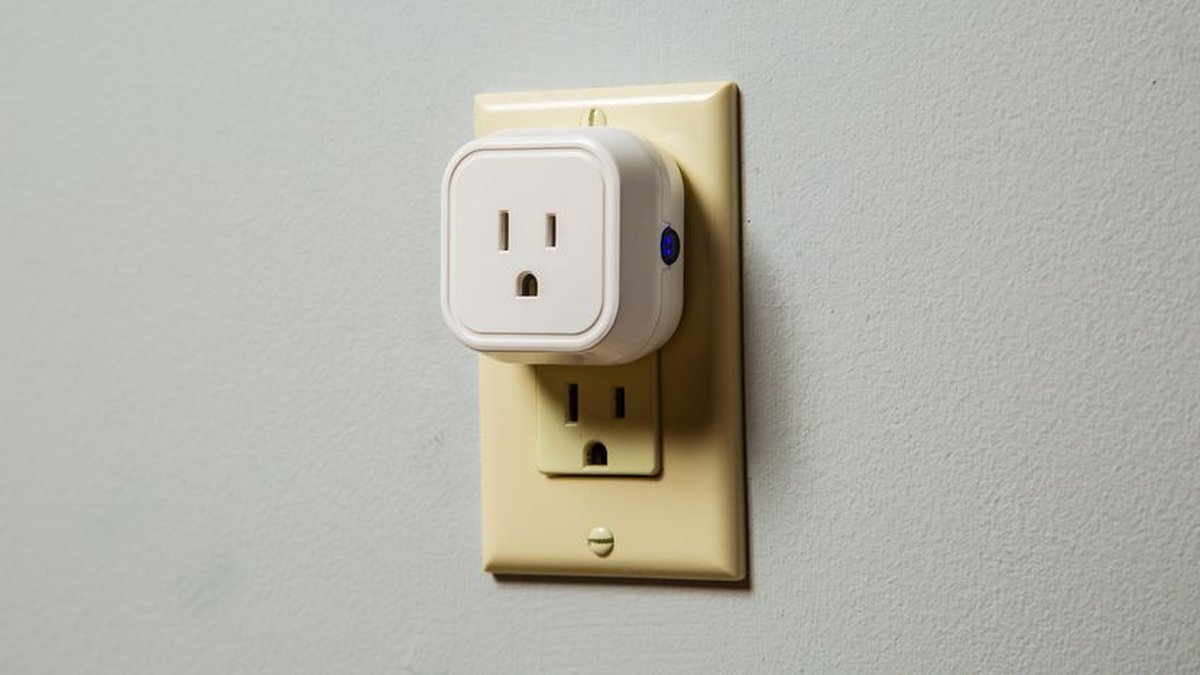
A smart plug is the cheapest ticket into the smart home game. Stick one in any outlet, plug in a lamp, fan, or coffee maker, and that dumb old device suddenly has schedules, voice control, and remote on/off from your phone. The best smart plugs of 2026 cost less than a pizza — and nothing gets you automating faster without replacing a single thing.
They’re not all equal, though. Some need a hub, some hog both outlets, and a few track energy use so you can see exactly what that space heater is costing you. We picked five that are worth your money, from the tiny Kasa mini to a Matter-ready Eve plug. Here’s how to choose between them.
Disclosure: This article contains affiliate links. As an Amazon Associate, we earn from qualifying purchases. We may also earn commissions from Daraz and AliExpress purchases made through links on this page, at no extra cost to you.
What a Smart Plug Actually Does
A smart plug sits between your outlet and any plug-in device, handing it a remote-controlled on/off switch. From the app or your voice assistant, you can flip things on and off from anywhere, set schedules — lights on at sunset, fan off at midnight — and build routines. One “goodnight” command can kill the living room lamps and the TV in a single go.
Energy-monitoring plugs go a step further: they measure exactly how much power a device draws, so you can see what that old space heater or gaming PC really costs per month. Handy when the electric bill spikes and you want answers. And with Matter support now common, plugs are some of the easiest devices to mix across Alexa, Google Home, and Apple Home — a single plug can answer to all three.
They’re also the perfect first step toward the automations in our guide to turning smart lights into a security system — scheduled lights that make it look like someone’s home start with a plug.
What to Look For: Smart Plug Buying Guide
1. Size and Outlet Blocking
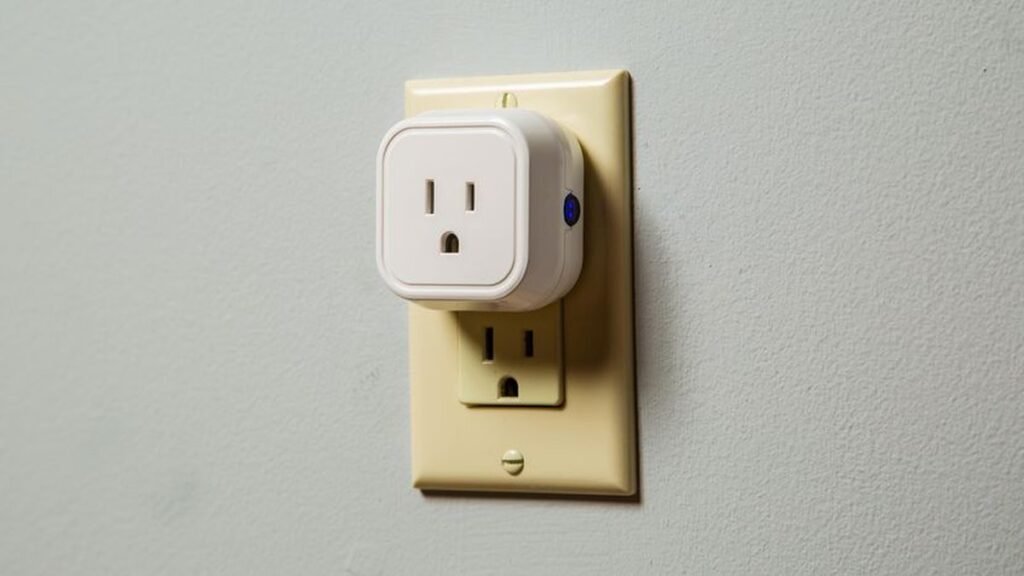
The classic rookie mistake is buying a plug so chunky it swallows both outlets. Mini plugs are built to leave the second outlet free — look for compact designs, especially for outlets hiding behind furniture. Need to control two devices in one spot? Some brands sell slim dual-outlet strips that are worth a look instead.
2. Hub vs. Wi-Fi vs. Matter
Wi-Fi plugs join your network directly — no hub needed — but each one is another device on your Wi-Fi. Fine for a handful of plugs; if you’re planning on ten, look at Matter-over-Thread plugs instead. They use a low-power mesh and need a Thread border router (plenty of smart speakers and hubs already have one built in). In 2026, Matter support is the safest bet for a plug that’ll work with whatever ecosystem you land in.
3. Energy Monitoring
Not every plug measures power draw, and it’s the feature that separates a remote switch from a genuinely useful tool. Want to hunt down energy hogs or track what a device costs to run? Pay the small premium for energy monitoring. Just want to turn the Christmas tree on from the couch? Skip it and pocket the savings.
4. App Quality and Ecosystem Fit
You’ll build schedules and routines in the plug’s app (or your smart home platform’s app), so confirm it plays nice with your assistant of choice: Alexa, Google Assistant, Siri/HomeKit. Skim reviews for app reliability — a plug that drops offline every week is worse than no plug at all. And our best smart speakers of 2026 covers the voice-control half of the equation.
The 5 Best Smart Plugs of 2026
1. TP-Link Kasa Smart Plug Mini (EP25) — Our Pick for Best Overall
The Kasa EP25 is the smart plug we’d hand to almost anyone. It’s small enough to leave the second outlet free, connects over Wi-Fi with no hub, includes energy monitoring, and works with Alexa and Google Assistant. TP-Link’s Kasa app is one of the most reliable out there, and multi-packs routinely drop the per-plug cost to pocket change.
A 4-pack usually goes for around $30–$40, which makes these the best value in smart home tech, full stop.
Pros:
- Compact — leaves the second outlet free
- Energy monitoring built in
- No hub needed, and the Kasa app is rock solid
- Multi-packs bring the price way down
Cons:
- No HomeKit support on this model
- 2.4GHz Wi-Fi only (standard for plugs)
Best for: Almost everyone — this is the default pick.
2. Eve Energy — Best for Apple Home and Matter
The Eve Energy is the premium pick for Apple households and anyone going all-in on Matter. It runs Matter over Thread, so control is fast and local — it keeps working even when your internet drops, as long as you have a Thread border router like a HomePod mini or recent Apple TV. Energy monitoring is detailed in the Eve app, and the build quality is a clear step above budget plugs.
It usually sells for around $40, and it mixes freely with your other Matter devices.
Pros:
- Matter over Thread — fast, local, future-proof
- Excellent Apple Home integration
- Detailed energy monitoring
- Premium build quality
Cons:
- Needs a Thread border router for full features
- Pricier than Wi-Fi alternatives
Best for: Apple Home users and Matter-first setups.
3. Amazon Smart Plug — Best for Alexa Households
If Alexa runs your home, the Amazon Smart Plug is the path of least resistance. Setup is nearly instant — plug it in and the Alexa app finds it on its own. Voice control is seamless, routines take seconds to build, and it’s slim enough to keep the second outlet usable. No energy monitoring, no HomeKit — but for simple Alexa on/off control, nothing’s easier.
Expect around $25, and often less when it goes on sale.
Pros:
- Sets itself up in the Alexa app, basically
- Compact design
- Rock-solid Alexa voice control and routines
- Often discounted
Cons:
- No energy monitoring
- Alexa-only — no Google or HomeKit support
Best for: Alexa homes where setup needs to be effortless.
4. SwitchBot Plug Mini — Best Tiny Plug
The SwitchBot Plug Mini is absurdly small — among the most compact smart plugs you can buy — yet it covers the essentials: app control, Alexa and Google support, schedules, timers, and energy monitoring on the latest version. It’s made for tight spots behind nightstands and desks where bigger plugs won’t fit, and the SwitchBot app keeps things simple.
Usually around $10–$15 per plug, and multi-packs drop it further.
Pros:
- Extremely compact — fits anywhere
- Very affordable, especially in packs
- Energy monitoring on the latest version
- Works with Alexa and Google Assistant
Cons:
- Smaller brand, shorter track record
- No HomeKit support
Best for: Cramped outlets and stocking up cheap.
5. Meross Smart WiFi Plug — Best Budget 4-Pack
Meross has quietly become the budget smart home brand to beat, and its WiFi smart plug is the cheapest credible way to automate a whole room. The 4-pack routinely sells for around $25–$35; each plug works with Alexa, Google, and (on select models) HomeKit, and the app handles schedules and timers reliably. No energy monitoring at this price — but for basic on/off automation, that’s a fair trade.
Pros:
- Cheapest reputable option per plug
- Works with Alexa, Google, and some HomeKit models
- Compact mini design
- Decent app with scheduling
Cons:
- No energy monitoring
- Build quality a step below Kasa and Eve
Best for: Covering several rooms for as little as possible.
Smart Plug Comparison Table
| Plug | Energy Monitoring | Ecosystems | Price |
|---|---|---|---|
| Kasa EP25 Mini | Yes | Alexa, Google | around $30–$40 (4-pack) |
| Eve Energy | Yes | Matter, Apple Home, Alexa, Google | around $40 |
| Amazon Smart Plug | No | Alexa | around $25 |
| SwitchBot Plug Mini | Yes (latest) | Alexa, Google | around $10–$15 each |
| Meross Smart WiFi Plug | No | Alexa, Google, some HomeKit | around $25–$35 (4-pack) |
Smart Plug FAQs
Can a smart plug work with any device?
Almost any plug-in device with a simple on/off switch: lamps, fans, coffee makers, holiday lights, air purifiers. Skip high-draw appliances like space heaters and air conditioners unless the plug is specifically rated for them — most minis top out around 10–15 amps. And heads-up: devices with electronic power buttons might not switch back on when power returns, so test before you depend on it.
Do smart plugs use electricity when off?
A tiny amount — usually under a watt for the Wi-Fi radio. That’s negligible next to what most plugged-in devices pull in standby, and the whole point of the plug is letting you cut that standby draw completely. If a device sits idle for hours, the plug saves far more than it sips.
Do smart plugs work without Wi-Fi?
Wi-Fi plugs need your network for app and voice control, but most keep running their schedules locally if the internet drops. Matter-over-Thread plugs like the Eve Energy stay fully working locally as long as your Thread network is up. And either way, the physical button on the plug itself always works.
How many smart plugs can I have on one network?
More than you’ll ever buy. A typical home router handles dozens of Wi-Fi devices without breaking a sweat. Planning something big — twenty plugs plus cameras, bulbs, and sensors? A Thread/Matter setup or a solid mesh system keeps everything snappy.
Are cheap smart plugs safe?
Stick to plugs with UL or ETL safety certification from established brands — Kasa, Amazon, Meross, Eve, and SwitchBot all qualify. Skip the no-name plugs with no certification marks; anything switching mains power is no place to gamble on quality. And never push a plug past its rated amperage.
Final Verdict: Which Smart Plug Should You Buy?
Our top pick is the TP-Link Kasa EP25 — tiny, reliable, energy monitoring included, and cheap in multi-packs. Apple Home users and Matter adopters should spend extra on the Eve Energy for local Thread control. Alexa households get the simplest ride from the Amazon Smart Plug. The SwitchBot Plug Mini fits cramped outlets, and the Meross 4-pack automates several rooms for the least money. Start with a 4-pack of Kasa minis — you’ll find uses for all of them within a week — then see our best smart lights of 2026 for the next step up.
Where to Buy: Compare Prices on Daraz · Check AliExpress Price
Check the price on AliExpress — the global marketplace with millions of tech products.
As an AliExpress affiliate, we may earn a commission on qualifying purchases.