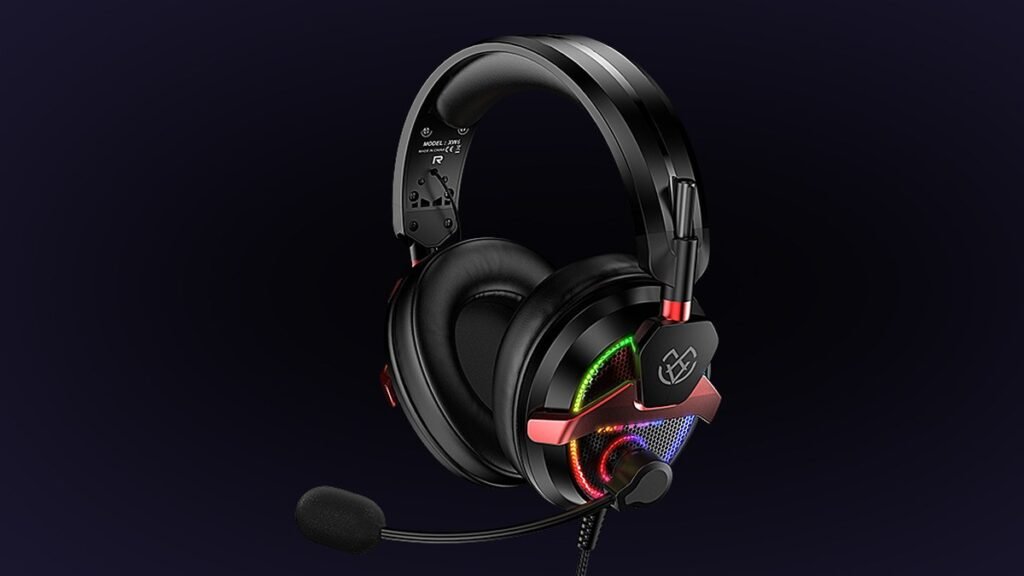
The best planar magnetic gaming headset of 2026 marks a genuine turning point for gaming audio. For years, gaming headsets all used the same dynamic drivers — fine for explosions, muddy for everything else. Now planar magnetic technology, long reserved for audiophile headphones costing four figures, has arrived in gaming headsets you can actually buy. The ASUS ROG Kithara, developed with HiFiMan, leads the charge with 100mm planar drivers and an open-back design built for detail. But planar isn’t automatically right for everyone: this guide also covers the safe premium all-rounder (SteelSeries Arctis Nova Pro Omni), the budget classic (Logitech G Astro A10 Gen 2), what planar magnetic actually means for your games, and whether the new tech is worth your money.
What is planar magnetic — and why does it matter for gaming?
Most gaming headsets use dynamic drivers: a cone-shaped diaphragm pushed by a voice coil, like a tiny loudspeaker. Planar magnetic drivers work differently — a thin, flat diaphragm with a conductive trace sits suspended between magnets, and the whole surface moves uniformly. The practical result: faster transient response, lower distortion, better separation between simultaneous sounds. In a game, that translates to clarity. Instead of gunfire, explosions, and footsteps collapsing into one wall of noise, a good planar headset lets you pick the sounds apart — you hear the reload behind the explosion, the footsteps under the music. It’s not about louder bass; it’s about a clearer picture of the soundscape. The tradeoffs: planar drivers cost more, they’ve historically needed more power (modern designs are more efficient), and they mostly show up in open-back designs, which leak sound and let noise in. For competitive FPS players who live on audio cues — and anyone who also listens to music on their headset — the difference is real and immediately noticeable.
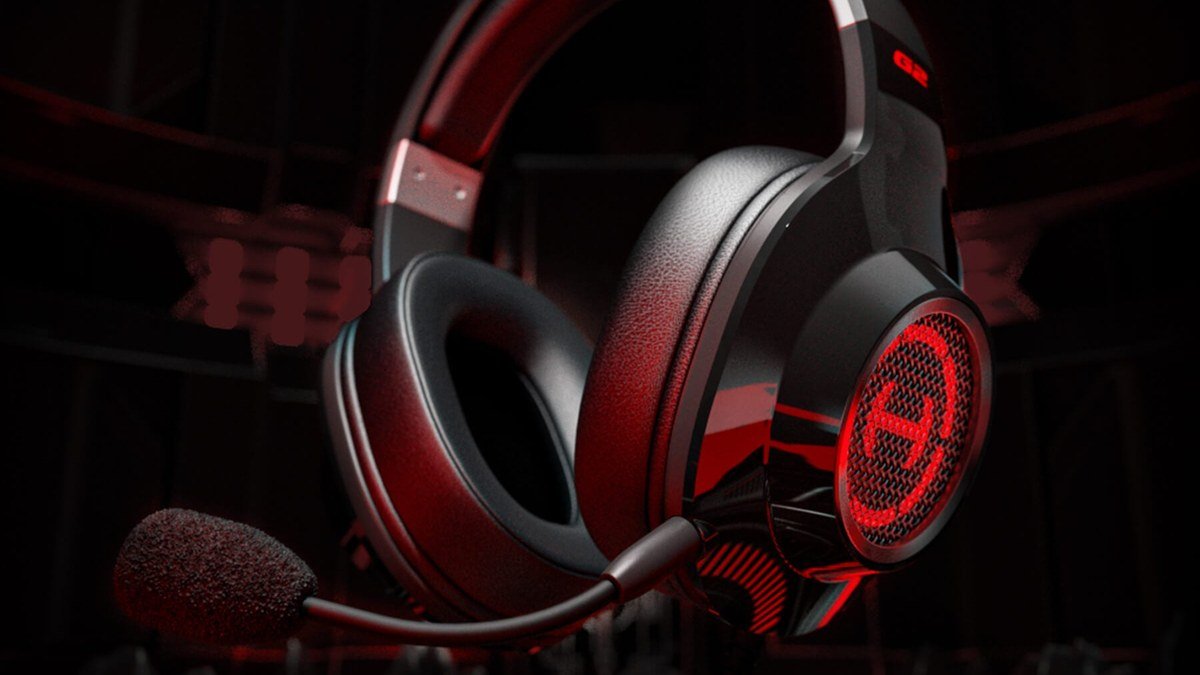
How to choose a gaming headset
Headsets sit on your head for hours and in your ears constantly — comfort and sound signature matter more than feature lists.
1. Decide: competitive edge or all-round comfort?
FPS players should prioritize imaging and positional accuracy — locating sounds precisely. Open-back designs and planar drivers excel here but leak sound. Play in a shared room or need noise isolation? A closed-back wireless headset with ANC is the smarter pick, even if it gives up some soundstage.
2. Wired vs. wireless is a lifestyle choice now
Modern 2.4GHz wireless is effectively lag-free, so the choice is about convenience, not performance. Wireless means charging and usually a higher price; wired means zero latency, zero battery anxiety, and often better sound per dollar. If you’re desk-bound and never move, wireless buys you little.
3. Microphone quality matters more than you think
Your teammates hear your mic, not your drivers. A clear, detachable boom mic beats an “okay” integrated one for competitive play and streaming. Mostly play solo? Mic quality can slide down the priority list.
4. Comfort is a spec
Clamping force, earcup depth, weight, and breathability decide whether a headset survives a three-hour session. Open-back designs breathe better; heavy flagships fatigue you faster. There’s no substitute for knowing your head size and your glasses situation.
The best gaming headsets of 2026
The planar pioneer: ASUS ROG Kithara
The ROG Kithara is the headset this guide is named for — an ASUS ROG and HiFiMan collaboration built around 100mm planar magnetic drivers in an open-back design. The goal: audiophile-grade gaming audio, with a wide, airy soundstage and the fast transient response that makes positional cues pop. In shooters, footsteps, reloads, and distant movement sit clearly separated in the mix instead of blurring together. Reviewers consistently praise its detail retrieval and note it doubles as a genuinely excellent music headphone — a rarity among gaming headsets. The honest tradeoffs: open-back means sound leaks out and ambient noise leaks in, so it suits a private room, not a shared dorm. It’s a specialist’s headset — less about features (no ANC, no wireless versatility story), more about pure sound. For the player who puts audio above everything else, nothing else in gaming sounds like it.
Pros:
- Planar magnetic drivers deliver exceptional detail and positional accuracy
- Open-back design creates a wide, natural soundstage
- Excellent for music too — a true dual-purpose headphone
- HiFiMan acoustic pedigree in a gaming product
Cons:
- Open-back leaks sound — not for shared rooms or noisy environments
- Fewer convenience features than wireless flagships (no ANC, no hot-swap batteries)
Best for: Competitive FPS players and music lovers who game in a quiet room and prioritize sound above all else.
Safest premium pick: SteelSeries Arctis Nova Pro Omni
If the Kithara is the specialist, the Arctis Nova Pro Omni is the do-everything flagship. Its headline feature is convenience: dual hot-swappable batteries mean you never stop to charge — one battery powers the headset while the other charges in the base station. Add a clear broadcast-quality mic, multiple connection options (2.4GHz, Bluetooth, wired), and active noise cancellation, and you’ve got a headset that handles gaming, work calls, travel, and music without breaking stride. It’s expensive, but if you wear a headset eight hours a day across work and play, the versatility justifies it. The sound is excellent for a closed-back wireless design, even if it can’t match the Kithara’s planar openness. This is the pick for buyers who want one premium headset that does everything well rather than one thing perfectly.
Pros:
- Dual hot-swappable batteries — effectively infinite playtime
- Versatile connectivity: 2.4GHz, Bluetooth, and wired
- Active noise cancellation for noisy environments
- Clear microphone, great for team chat and calls
Cons:
- Premium price
- Closed-back sound can’t match planar openness for positional detail
Best for: Gamers who want one premium wireless headset for gaming, work, and everything between.
Budget pick: Logitech G Astro A10 Gen 2
The Astro A10 Gen 2 keeps things simple and affordable. It’s lightweight, comfortable for long sessions, and delivers respectable sound for the money — the classic Astro tuning that’s sold millions of headsets. The mic is built into the headset rather than detachable, which is the main compromise, but for plug-and-play gaming it’s perfectly serviceable. No wireless, no ANC, no planar magic — just a comfortable, good-sounding wired headset at a price that makes it an easy gift or first-headset purchase. Not sure how seriously you take gaming audio yet? Start here before spending five times more.
Pros:
- Excellent value — real gaming audio for little money
- Lightweight and comfortable for long sessions
- Simple plug-and-play, no charging or software fuss
Cons:
- Built-in mic rather than a detachable boom
- Sound quality is good, not exceptional — a clear step below the picks above
Best for: Casual gamers and first-time buyers who want solid audio without the premium price.
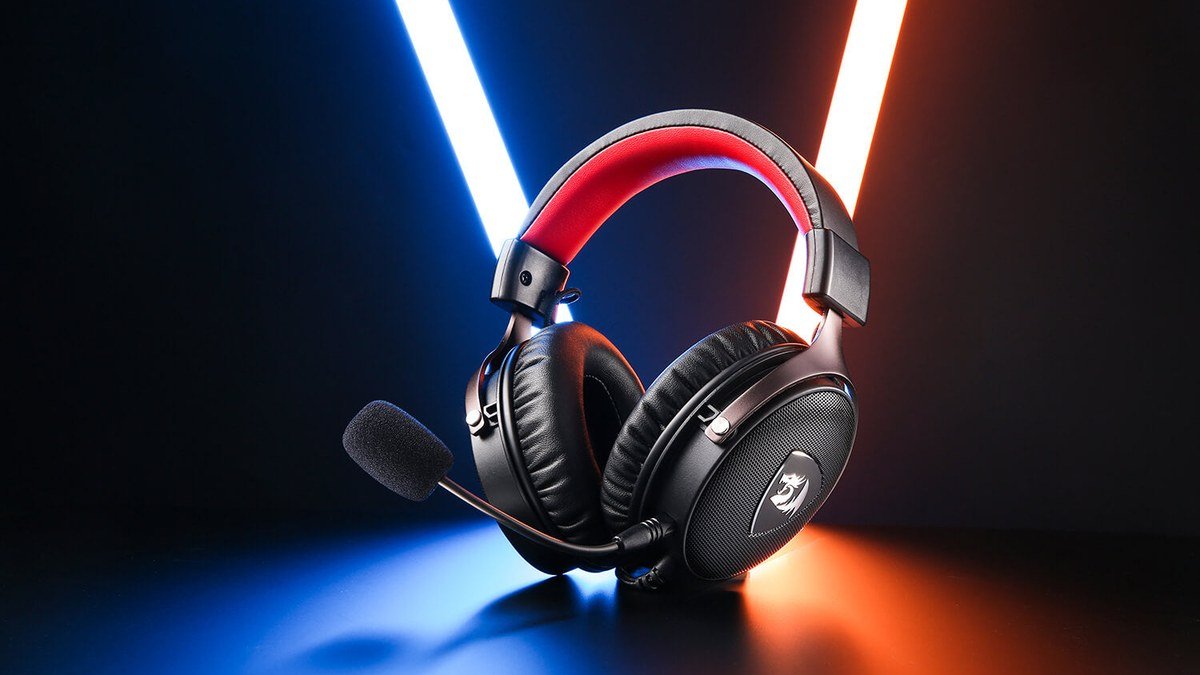
Gaming headset comparison
| Feature | ROG Kithara | Arctis Nova Pro Omni | Astro A10 Gen 2 |
|---|---|---|---|
| Driver type | 100mm planar magnetic | Dynamic (closed-back) | Dynamic |
| Design | Open-back | Closed-back, wireless | Closed-back, wired |
| Key strength | Positional detail, soundstage | Versatility, convenience | Value |
| Noise isolation | Minimal (open-back) | ANC | Passive |
| Battery | — (wired focus) | Dual hot-swap (unlimited) | — (wired) |
| Price tier | Premium | Premium | Budget |
Complete your setup with our best gaming mice of 2026 and best gaming monitors of 2026 guides. Want headphones for music and travel too? Our noise-cancelling headphone guide covers the non-gaming side.
Gaming headset FAQs
Are planar magnetic headsets actually better for gaming?
For positional audio and detail, yes — measurably. The faster, more uniform diaphragm movement separates simultaneous sounds better than dynamic drivers, which helps you locate footsteps and distinguish overlapping effects. But “better” depends on your environment: in a noisy or shared room, a closed-back dynamic headset with ANC serves you better than an open-back planar leaking sound everywhere. Technology serves context.
What is the best gaming headset for FPS in 2026?
For pure competitive FPS audio, the ROG Kithara’s planar drivers and open-back soundstage give the clearest positional imaging of the three picks here. Need wireless freedom or play in a noisy environment? The Arctis Nova Pro Omni is the better competitive choice — its imaging is excellent, and the convenience features matter in real life. Most pros still prioritize comfortable fit and a clear mic over driver technology.
Do I need a DAC or amp for the ROG Kithara?
The Kithara is designed to work with typical gaming setups without exotic gear — it’s far more efficient than traditional audiophile planar headphones. That said, like any good headphone, it scales with better source equipment. Start with your motherboard or controller output; only consider an upgrade if you hear a reason to.
Open-back vs closed-back for gaming — which wins?
Open-back wins on soundstage width and natural imaging, which is why competitive players love it — but it leaks sound both ways. Closed-back wins on isolation, bass impact, and consideration for others. Pick open-back for a private gaming room, closed-back for shared spaces, LAN parties, and travel.
Is the Astro A10 Gen 2 good enough for competitive play?
Yes, for most players. Its positional audio is respectable, it’s comfortable for long sessions, and at its price you can put the savings toward a better mouse or monitor — upgrades that affect competitive performance more. Upgrade to planar or flagship wireless when audio becomes your bottleneck, not before.
Final verdict
The best planar magnetic gaming headset of 2026 — and the most interesting gaming headset in years — is the ASUS ROG Kithara. Its 100mm planar drivers deliver a level of positional clarity and musicality that dynamic-driver headsets simply can’t match, making it the pick for FPS players and audiophiles with a quiet room. Need wireless versatility, ANC, and never-ending battery instead? The SteelSeries Arctis Nova Pro Omni is the safest premium buy. And if you just want a good, comfortable headset without overthinking it, the Astro A10 Gen 2 remains the budget champion. Planar magnetic has finally arrived in gaming — and for the right player, in the right room, it’s absolutely worth it.
Affiliate Disclosure: This article contains affiliate links. If you purchase through them, we may earn a commission at no extra cost to you.
Where to Buy: Check Price on Amazon · See Amazon Deals · Compare Prices on Daraz · Check Daraz Deals · Check AliExpress Price · See AliExpress Deals
Check the price on AliExpress — the global marketplace with millions of tech products.
As an AliExpress affiliate, we may earn a commission on qualifying purchases.