Best Handheld Gaming PCs of 2026: 5 Picks Beyond the Switch 2
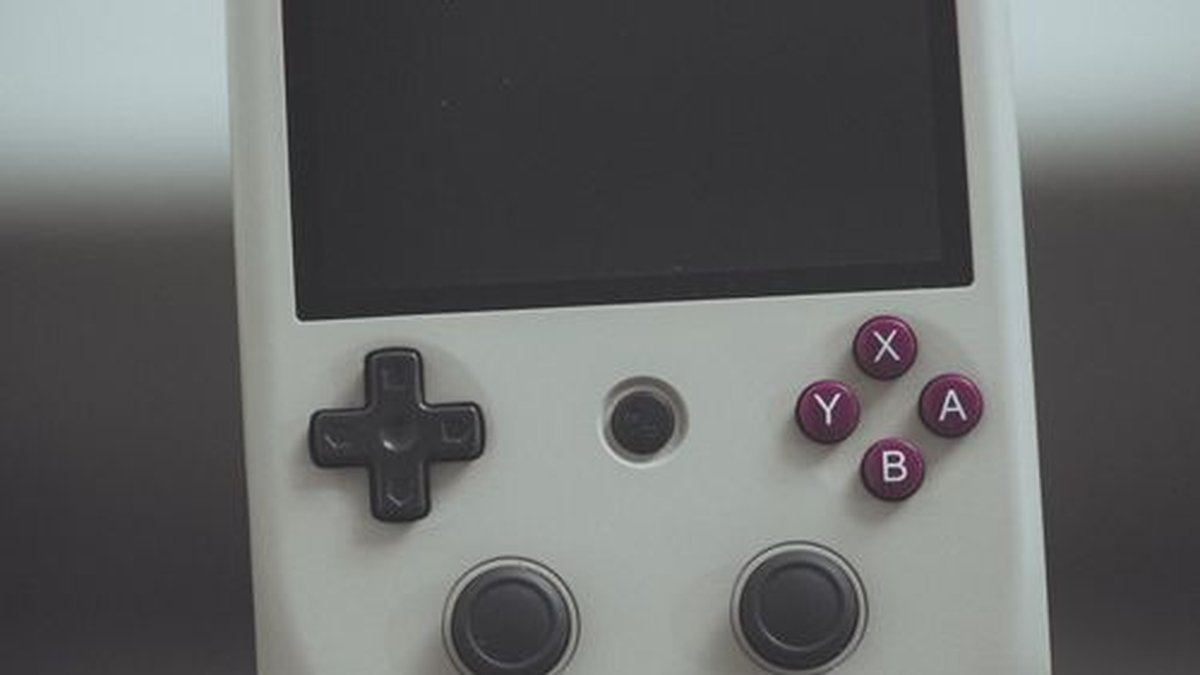
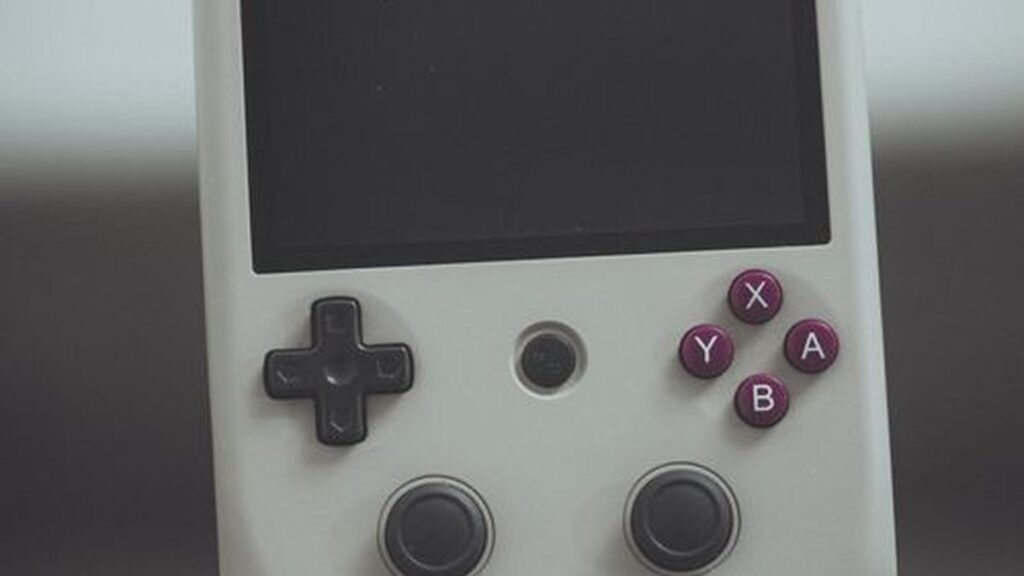
The best handheld gaming PCs have killed the phrase “I’ll play it when I get home.” Your full PC library — Steam, Game Pass, Epic, emulators, mods and all — now fits in a device built for flights, couches, and lunch breaks. With the Switch 2 covering the Nintendo side of portable play, handheld PCs own the other half: real PC games, real settings menus, and the freedom to tinker. This guide covers the five best handheld gaming PCs of 2026, from the value king to the Windows powerhouses.
Disclosure: This article contains affiliate links. As an Amazon Associate, we earn from qualifying purchases. We may also earn commissions from Daraz and AliExpress purchases made through links on this page, at no extra cost to you.
What Makes a Handheld a “Gaming PC”?
A handheld gaming PC is exactly what it sounds like: a portable device running a real desktop OS — usually Windows or Valve’s Linux-based SteamOS — with controls built in. That distinction matters. Unlike the Switch 2, which runs Nintendo’s curated ecosystem, these devices run your existing PC game library. Buy a game on Steam once, play it on desktop and handheld, with cloud saves carrying progress between them.
The trade-offs are honest: handheld PCs are bigger and heavier than a Switch, battery runs 2–6 hours depending on the game and settings, and Windows handhelds occasionally make you fight desktop UI on a 7-inch screen. In exchange you get decades of PC games, emulation, mods, and competing storefronts — Steam sales alone can cover the hardware difference over time.
How to Choose a Handheld Gaming PC: 4 Things That Actually Matter
1. Software: SteamOS simplicity vs Windows freedom
This is the biggest decision. SteamOS is the console-like route: reliable sleep/wake, a controller-first UI, excellent battery efficiency. Windows handhelds give you everything else — Game Pass, Epic Games Store, every launcher, full desktop mode — with occasional UI friction as the cost. Library lives on Steam? SteamOS is bliss. Living in Game Pass? You need Windows.
2. Performance vs battery life is a real trade-off
Every handheld lets you cap power draw to stretch battery, and the gap between 15W and 25W is the gap between a 2-hour session and a 5-hour one. Newer chips sip less, but demanding AAA games at high settings will drain any handheld fast. Decide whether you mostly play indie and older titles (battery-friendly) or new releases (performance-hungry), and buy accordingly.
3. Screen size, weight, and ergonomics
Seven to eight inches is the sweet spot — big enough for readable UI text, small enough to hold for hours. Weight matters: the difference between 600g and 850g gets very real in hour three. Detachable controllers (like the Legion Go’s) add versatility for tabletop play. If you can, hold one before buying — hand fit is personal.
4. Storage and expandability
Modern games are enormous — 100GB installs are normal. A 512GB drive fills fast, so check for a microSD slot (all major handhelds have one) and consider 1TB models if you hate juggling installs. A fast microSD card from AliExpress is the cheapest storage upgrade, and a high-capacity power bank stretches unplugged play time.
Our 5 Picks for the Best Handheld Gaming PCs of 2026
1. Steam Deck OLED — Best Overall Handheld Gaming PC
The Steam Deck OLED remains our pick for the best handheld gaming PC most people should buy. Valve’s SteamOS is still the gold standard — instant sleep/resume, a controller-first interface, per-game power profiles. The OLED model fixed the original’s weaknesses: a gorgeous HDR OLED screen and meaningfully better battery life.
It’s not the fastest handheld here, and it can’t run Game Pass natively. But for Steam users, nothing else is this polished. The trackpads open up mouse-driven games other handhelds can’t touch, and regular Steam sales make building a portable library cheap. For the money, still the default recommendation.
Pros: Best handheld software experience; beautiful OLED HDR display; great battery efficiency; huge community and accessory support.
Cons: No native Game Pass; less raw power than Windows rivals; smoothest inside Steam’s ecosystem.
Best for: Steam library owners who want the most polished, hassle-free handheld.
2. ASUS ROG Ally X — Best Windows Handheld
The ROG Ally X is the Windows handheld done right. ASUS fixed the original’s complaints: double the battery capacity, more RAM, a cooler-running redesigned chassis, and full-size SSD support. The result is the most capable all-rounder in the Windows camp.
Windows means everything runs: Game Pass, Steam, Epic, GOG, emulators, mods. The 120Hz 1080p display is sharp and smooth — modern games are genuinely playable at sensible settings. You’ll occasionally wrestle Windows on a small screen, but for players who want zero ecosystem compromises, this is the pick.
Pros: Runs every PC storefront and launcher; big battery upgrade over the original; fast 120Hz display; excellent build quality.
Cons: Windows handheld UI still has rough edges; expensive; heavy games drain the battery fast at high settings.
Best for: Game Pass subscribers and players who want the full Windows PC experience in handheld form.
3. Lenovo Legion Go — Best Big-Screen Handheld
The Legion Go goes big — literally. Its 8.8-inch QHD+ display is the largest in this class, and the difference hits you immediately: readable UI text, crisp details, stunning games. The detachable TrueStrike controllers enable tabletop play, and one converts into a vertical mouse for FPS games.
The trade-off is size and weight: bulkiest device on the list, and long sessions will remind your wrists. Battery life is average, and Lenovo’s software trails Valve’s and ASUS’s for refinement. But if screen real estate is the priority — strategy games, RPGs with tiny text, maximum immersion — nothing else matches it.
Pros: Huge, sharp 8.8-inch display; detachable controllers with FPS mouse mode; great for text-heavy games; solid performance.
Cons: Heavy and bulky; average battery life; software lags the leaders.
Best for: Players who want the biggest, sharpest handheld screen — especially for RPGs and strategy games.
4. MSI Claw 8 AI+ — Best Battery Life
The MSI Claw 8 AI+ takes a different path from its AMD-powered rivals: Intel’s Lunar Lake chips, tuned for efficiency. The payoff is the best battery life in the Windows handheld class — in lighter games, the Claw genuinely outlasts the competition by a wide margin. An 8-inch display, drift-free Hall-effect sticks, and comfortable ergonomics round out the package.
Raw performance trails the fastest AMD handhelds, and Intel’s graphics drivers still show the occasional quirk. But for travelers and commuters who value unplugged hours over maximum frame rates, the efficiency story is compelling. This is the handheld you buy when the outlet is far away.
Pros: Class-leading battery efficiency; drift-free Hall-effect sticks; comfortable grips; 8-inch display.
Cons: Slower than AMD rivals in heavy games; Intel driver quirks persist; premium pricing.
Best for: Travelers and commuters who prioritize battery life over peak performance.
5. AYANEO 2S — Best Premium Compact Pick
AYANEO helped invent the modern handheld PC market, and the 2S is its refined flagship: sleek, compact, with a sharp high-resolution display and premium materials. It feels like a luxury product in a way the others don’t.
The catch is the AYANEO tax — you pay more for the design and smaller production runs. For enthusiasts who want the most beautiful handheld PC, the 2S delivers. Check Price on Daraz for availability in your region.
Pros: Gorgeous premium design; sharp high-res display; compact and pocketable; enthusiast-grade build.
Cons: Expensive for the specs; smaller company, slower support; software less polished than Valve/ASUS.
Best for: Enthusiasts who want the most premium-feeling handheld PC and will pay for it.
Best Handheld Gaming PCs: Comparison Table
| Handheld | OS | Display | Standout strength | Best for |
|---|---|---|---|---|
| Steam Deck OLED | SteamOS | 7.4″ OLED HDR | Software polish | Best overall |
| ASUS ROG Ally X | Windows 11 | 7″ 1080p 120Hz | Runs everything | Windows / Game Pass users |
| Lenovo Legion Go | Windows 11 | 8.8″ QHD+ 144Hz | Biggest screen | Big-screen portable play |
| MSI Claw 8 AI+ | Windows 11 | 8″ 1080p 120Hz | Battery efficiency | Travelers |
| AYANEO 2S | Windows 11 | 7″ high-res IPS | Premium design | Enthusiasts |
Frequently Asked Questions
Handheld gaming PC vs Nintendo Switch 2 — which should I buy?
Different tools for different jobs. The Switch 2 gets you Nintendo exclusives, a simpler experience, and better battery life in a lighter device. A handheld gaming PC gets you your PC library, mods, emulation, and cheaper games through Steam sales. One pick only? Choose based on where your game library already lives.
Can handheld gaming PCs really run modern AAA games?
Yes, with sensible expectations. Modern handhelds run current AAA titles at 720p–1080p with adjusted settings, typically 30–60 fps. They won’t match a desktop GPU, but upscaling tech has closed the gap enormously. Indie games, older titles, and emulated classics run flawlessly.
How long does the battery last on a handheld gaming PC?
Entirely depends on what you play. Light indie games at capped power draw: 4–6 hours on efficient models. Demanding AAA at full power: 1.5–2.5 hours. Every device lets you cap frame rate and power to trade performance for longevity.
Is the Steam Deck still worth it in 2026?
For Steam users, absolutely — the OLED screen and battery upgrades keep it competitive, and SteamOS is still the best handheld software. Need Game Pass or maximum performance? Look at the Windows options. But as a pure pick-up-and-play device, the Deck’s simplicity still wins.
Do I need to be technical to use a Windows handheld?
Not really, but expect occasional friction: tiny text in desktop dialogs, launcher updates, driver quirks. Comfortable with Windows? You’ll manage fine. For a console-like experience with zero tinkering, the Steam Deck is safer. Pair any handheld with a good controller for docked play and a gaming phone as backup.
Final Verdict
The Steam Deck OLED remains the best handheld gaming PC for most people in 2026 — unmatched software polish, a beautiful screen, the best value in the category. Windows loyalists and Game Pass subscribers should get the ASUS ROG Ally X, the most complete no-compromise handheld. Screen-size maximalists will love the Lenovo Legion Go; travelers should look at the MSI Claw 8 AI+; enthusiasts can treat themselves to the AYANEO 2S. Whichever you choose, you’re carrying a real PC in your bag — and that still feels like the future.
Where to Buy: Compare Prices on Daraz · Check AliExpress Price
Check the price on AliExpress — the global marketplace with millions of tech products.
As an AliExpress affiliate, we may earn a commission on qualifying purchases.