Best Long-Range Drones of 2026: 5 Picks That Go the Distance
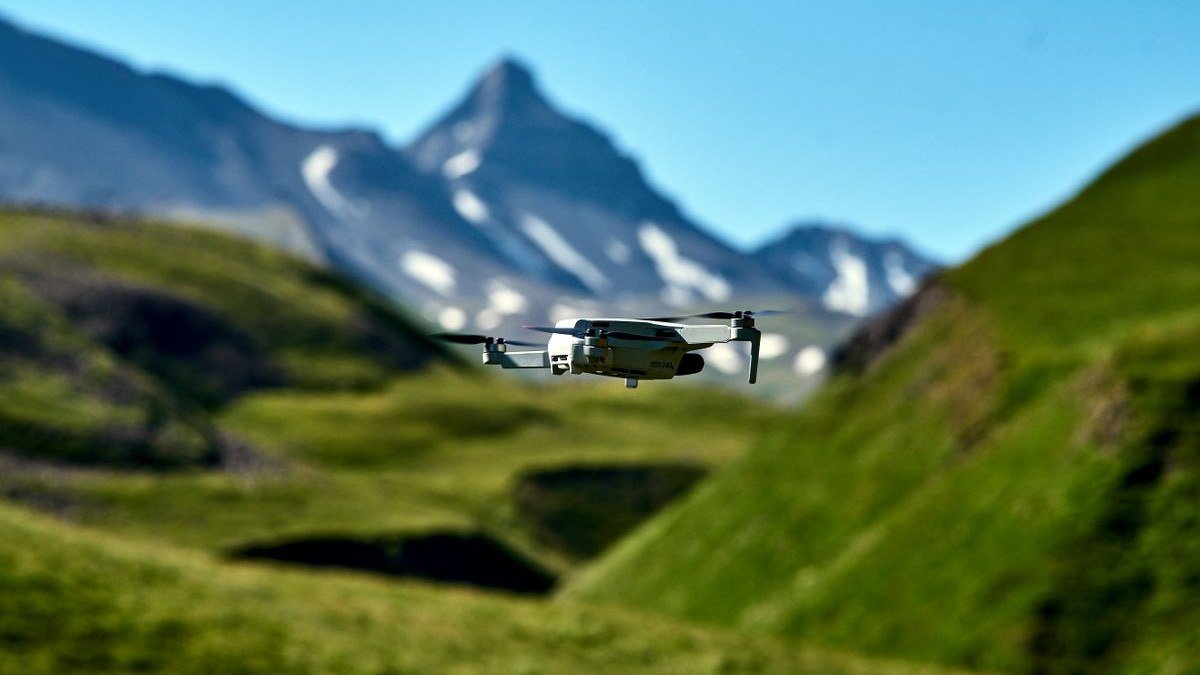
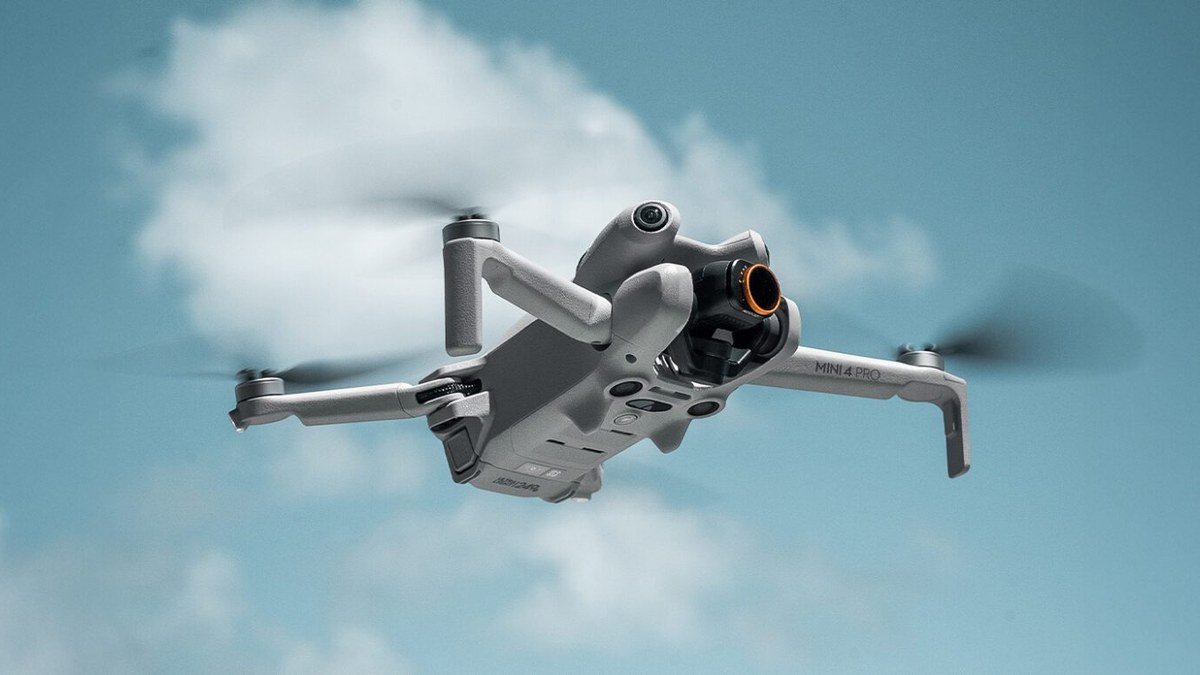
The best long range drones aren’t really about flying farther — they’re about flying with confidence. A strong transmission link keeps your video feed crisp at distance, your controls responsive, and the drone steady in wind. In 2026, DJI’s O4 and O4+ systems have pushed reliable range so far that the battery is usually the limit, not the signal.
This guide covers the five long-range drones worth buying in 2026, from the flagship DJI Mavic 4 Pro to the sub-249g Mini 5 Pro. We’ll explain what “range” actually means, what to look for, and the legal reality: in the US you must keep your drone within visual line of sight — so think of range as signal reliability, not a license to fly miles away.
Disclosure: This article contains affiliate links. As an Amazon Associate, we earn from qualifying purchases. We may also earn commissions from Daraz and AliExpress purchases made through links on this page, at no extra cost to you.
What “Long Range” Really Means in 2026
Drone range has two parts: transmission range (how far the video and control signal reaches) and flight time (how long the battery lasts). Manufacturers advertise 15–30 km, but those are line-of-sight maximums in perfect conditions. In suburbs or forests, trees, buildings, and Wi-Fi eat signal fast.
What actually matters: a robust transmission system (DJI’s O4/O4+ is the current standard), a high-capacity battery, strong wind resistance, and good obstacle sensing. FAA rules require visual line of sight, so your practical range is however far you can see the drone — usually well under a mile. Long-range capability buys signal reliability within that bubble, not permission to fly to the horizon. A fast portable SSD and you can offload a full day of long-range footage in minutes.
Long-Range Drone Buying Guide: What to Look For
1. Transmission system
DJI’s O4 (Mini 5 Pro, Air 3S) and O4+ (Mavic 4 Pro) deliver 1080p/60fps live feeds with low latency and strong interference resistance; the older O3/O3+ systems are still solid. Look for dual/tri-band operation and a controller with good antennas — the RC 2’s built-in screen and antennas outperform phone-based controllers.
2. Flight time and battery efficiency
Look for 40+ minutes of max flight time on paper and expect 30–35 minutes of real flying. The sweet spot in 2026 is the 45–51 minute class (Air 3S, Mavic 4 Pro). Plan the return trip: turn back at 50–60% battery, keeping reserve for headwinds.
3. Wind resistance and obstacle sensing
Level 5 wind resistance (up to ~24 mph) is the minimum for confident distance work; the Mavic 4 Pro handles more. Omnidirectional obstacle sensing matters most on the return leg, when the drone may fly toward you on its own. Budget options with limited sensing demand more careful manual flying.
4. Camera quality at distance
Long-range flying is often about scouting — you need a camera that resolves detail from far away. Telephoto lenses (the Air 3S’s 3x and Mavic 4 Pro’s dual teles) let you inspect subjects without flying closer, and larger sensors keep distant detail clean. Our vlogging camera guide covers the ground side of the kit. Third-party accessories and spare batteries for these drones are easy to find on AliExpress and Daraz.
The 5 Best Long-Range Drones of 2026
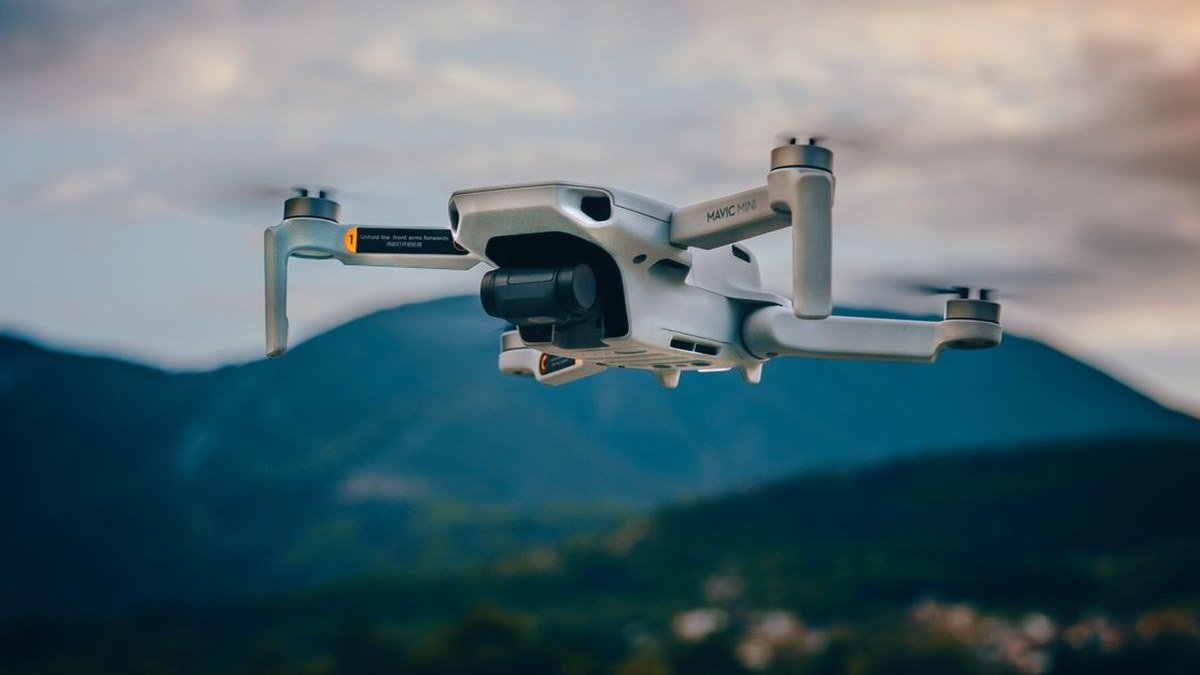
1. DJI Mavic 4 Pro — Best Overall Long-Range Drone
The DJI Mavic 4 Pro is the long-range king of 2026. Its O4+ transmission pushes the signal farther and holds it steadier than anything else in its class, and the ~51-minute max flight time gives you the battery to use it. The triple-camera system — 4/3 Hasselblad main plus two teles — captures distant subjects in stunning detail.
Omnidirectional obstacle sensing, advanced tracking, and superb wind resistance round out a package built for mapping, inspections, and cinematic flights in big terrain. At around $2,200 it’s a serious investment — but nothing else combines this range, endurance, and camera quality.
Pros: Longest reliable transmission link in its class; ~51 min flight time; triple camera with dual telephoto; excellent wind resistance.
Cons: Expensive; heavier and less portable than Air/Mini lines; overkill for casual flyers.
Best for: Professionals and enthusiasts who need maximum range, endurance, and camera quality.
2. DJI Air 3S — Best Value Long-Range Drone
The DJI Air 3S delivers most of the Mavic 4 Pro’s long-range experience at half the price. Its O4 transmission is rock solid in real-world conditions, and 45 minutes of flight time is plenty for extended flights. The dual camera (1-inch 50MP wide plus 48MP 3x telephoto) is a standout — the tele lens is genuinely useful for inspecting distant subjects.
Omnidirectional sensing and a ~$1,100 price make the Air 3S the sweet spot of the DJI lineup — the long-range drone most people should buy.
Pros: Excellent price-to-performance; 3x telephoto camera; 45-min flight time; O4 transmission.
Cons: Shorter range and flight time than the Mavic 4 Pro; larger than the Mini series for travel.
Best for: Most buyers — the best balance of range, camera, and price.
3. DJI Mini 5 Pro — Best Sub-249g Long-Range Drone
It’s remarkable that a sub-249g drone belongs on a long-range list, but the Mini 5 Pro earns it. The same O4 transmission as the Air 3S gives it a genuinely strong link, the 1-inch sensor captures excellent footage, and ~36 minutes of flight time is plenty. For travelers, the sub-249g weight means simpler regulations in many countries and no FAA registration for recreational US flying.
The trade-offs are real: less wind resistance than bigger drones, and the link doesn’t match the Mavic 4 Pro’s O4+. But at around $760, it’s the cheapest serious long-range drone that fits in a jacket pocket.
Pros: Sub-249g with O4 transmission; 1-inch sensor; very portable; no recreational FAA registration.
Cons: Less wind resistance than larger drones; shorter flight time than Air/Mavic lines.
Best for: Travelers and anyone who wants long-range capability in the smallest package.
4. Autel EVO II Pro V3 — Best Non-DJI Alternative
Not everyone wants to buy DJI, and the Autel EVO II Pro V3 remains the strongest alternative in 2026. Its 1-inch 6K camera captures superb stills, the 40-minute flight time is competitive, and the ~15 km link covers any legal line-of-sight flight. The no-geofencing approach appeals to pilots frustrated by DJI’s flight restriction zones.
The ecosystem is smaller and the app isn’t as polished as DJI Fly. But the hardware is genuinely competitive, and at around $1,900 it undercuts the Mavic 4 Pro while offering a real alternative.
Pros: Excellent 6K 1-inch camera; strong alternative to DJI; no geofencing restrictions; solid 40-min flight time.
Cons: Smaller accessory ecosystem; less polished app; pricier than the Air 3S.
Best for: Pilots who want a capable long-range drone outside the DJI ecosystem.
5. DJI Mavic 3 Classic — Best Older Flagship Value
The Mavic 3 Classic is the smart-money pick for 2026. Its 4/3 Hasselblad camera still captures gorgeous footage, the 46-minute flight time rivals current flagships, and the O3+ transmission remains strong. Around $1,600 is a genuine bargain for a former $2,000+ flagship.
You miss the newest transmission tech and omnidirectional sensing. But for pure long-range flight confidence — strong link, long battery, great camera — the Mavic 3 Classic delivers the core experience for hundreds less. Pair it with a wireless mic for narration and you’ve got a complete aerial video kit.
Pros: Flagship 4/3 camera at a discount; 46-min flight time; proven reliable platform; great value.
Cons: Older O3+ transmission; no omnidirectional sensing; being phased out.
Best for: Bargain hunters who want flagship long-range capability for less.
Best Long-Range Drones: Comparison Table
| Drone | Transmission | Max flight time | Camera | Price |
|---|---|---|---|---|
| DJI Mavic 4 Pro | O4+ (~30 km) | ~51 min | Triple, 4/3 Hasselblad main | ~$2,200 |
| DJI Air 3S | O4 (~20 km) | ~45 min | Dual, 1-inch + 3x tele | ~$1,100 |
| DJI Mini 5 Pro | O4 (~20 km) | ~36 min | 1-inch, 48MP | ~$760 |
| Autel EVO II Pro V3 | ~15 km | ~40 min | 1-inch, 6K | ~$1,900 |
| DJI Mavic 3 Classic | O3+ (~15 km) | ~46 min | 4/3 Hasselblad | ~$1,600 |
Best Long-Range Drones: FAQs
How far can a long-range drone actually fly?
Advertised ranges (15–30 km) are line-of-sight maximums in ideal conditions; real-world range runs much shorter. US law requires keeping your drone within visual line of sight — so treat long-range capability as signal reliability and safety margin, not a distance target.
Is it legal to fly a drone beyond visual line of sight?
No — recreational and standard Part 107 operations require keeping the drone within unaided visual line of sight at all times. Beyond-visual-line-of-sight flight needs special FAA waivers. These drones are best used well within sight.
Does a longer transmission range mean better video quality?
Not directly. Transmission range affects signal reliability; video quality comes from the sensor and bitrate. That said, the drones with the best transmission (Mavic 4 Pro, Air 3S) also tend to have the best cameras — manufacturers put their best tech in the same flagships.
What’s more important for range: battery or transmission?
Both, but battery is usually the practical limit — even the strongest link is useless if the drone must turn home at 50% battery. Prioritize flight time first (40+ minutes), then transmission quality. The Mavic 4 Pro wins because it leads on both.
Do I need a special license for a long-range drone?
No — range doesn’t change licensing. Recreational flying follows the standard rules (TRUST test, visual line of sight, under 400 feet) regardless of advertised range. Commercial use requires Part 107. The drone’s capabilities never override airspace and line-of-sight rules.
Final Verdict
The best long-range drone for most people in 2026 is the DJI Air 3S — O4 transmission, 45-minute flight time, and a useful 3x telephoto camera for around $1,100. If money is no object, the DJI Mavic 4 Pro (~$2,200) is the ultimate machine: O4+, 51-minute endurance, triple camera. Travelers should grab the Mini 5 Pro, DJI skeptics the Autel EVO II Pro V3, bargain hunters the Mavic 3 Classic.
Whatever you choose, remember the golden rule: the signal is a safety margin, not a challenge. Fly within sight, watch your battery, and let the drone’s range give you confidence — not temptation.
Where to Buy: Compare Prices on Daraz · Check AliExpress Price
Check the price on AliExpress — the global marketplace with millions of tech products.
As an AliExpress affiliate, we may earn a commission on qualifying purchases.