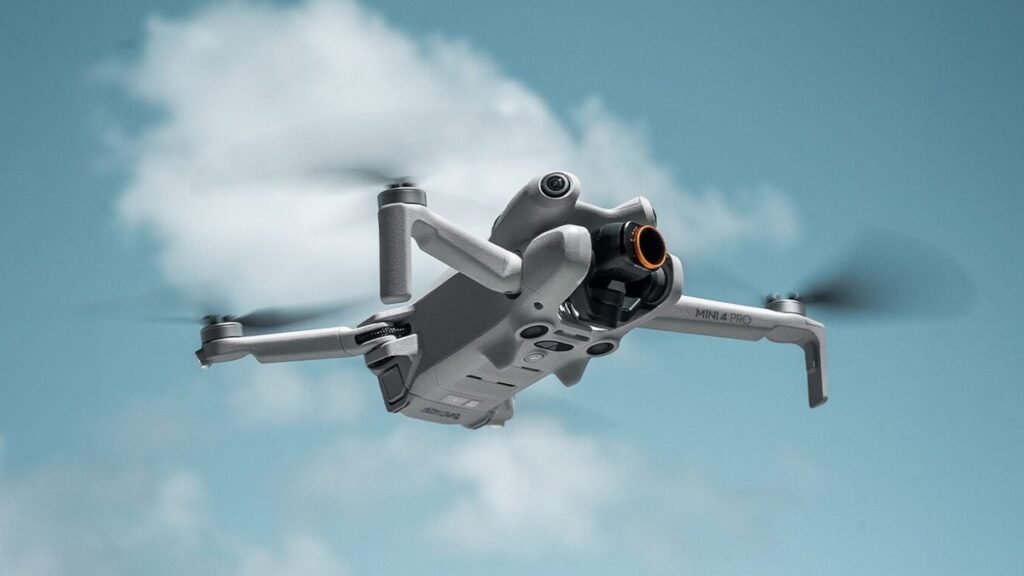
Best Drones Under $500 in 2026: 7 Picks Worth Your Money
You don’t need $1,000 for a great drone in 2026. The best drones under $500 shoot stabilized 4K, fly 30+ minutes per battery, and weigh under 249 grams — no FAA registration for recreational US flying. The catch? The sub-$500 shelf is full of no-name drones with inflated specs. This guide cuts through that: seven proven picks from DJI and Potensic, real prices, plain trade-offs.
Best Drones Under $500 in 2026: Quick Picks
| Drone | Standout spec | Price |
|---|---|---|
| DJI Mini 4K | 4K UHD, 3-axis gimbal, 31-min flight | $299 |
| DJI Neo 2 | 151 g pocket drone, 4K, palm takeoff | ~$259 |
| DJI Flip | 4K/60 HDR, 48MP, 31-min flight | $439 |
| Potensic Atom 2 | 4K/30 HDR, 32-min flight, AI tracking | ~$319–$400 |
| DJI Mini 3 | 1/1.3″ sensor, 4K HDR, 38-min flight | $419 |
| DJI Neo | 135 g selfie drone, cheapest DJI | ~$169–$199 |
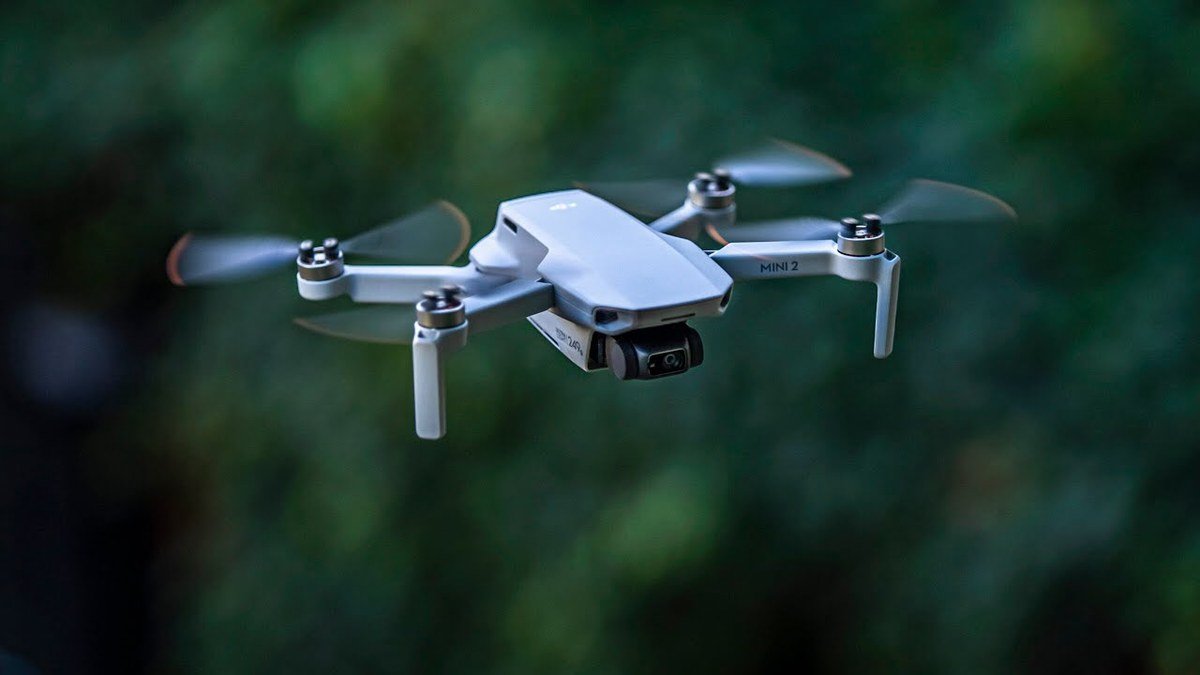
| DJI Mini 2 SE | Proven 2.7K flyer, often discounted | ~$299 |
What $500 Buys You in 2026
Five hundred dollars is the drone market’s sweet spot. Below $200 you mostly get toys; above it you pay for bigger sensors most people won’t notice. In the $169–$499 band you get the essentials: true 4K cameras on 3-axis gimbals, GPS return-to-home, 25–38 minute flights, and long-range transmission. Nearly every pick here also sneaks under 249 g, skipping FAA registration for recreational US pilots. What you miss: 1-inch sensors, omnidirectional obstacle avoidance, serious low-light chops — those start with the Mini 5 Pro.
1. DJI Mini 4K — Best Overall Under $500
The DJI Mini 4K is the default answer for a reason: the beloved Mini 2 SE formula upgraded to real 4K UHD on a 3-axis gimbal, keeping sub-249 g weight, 31-minute flights, 10 km transmission, and Level 5 wind resistance. One-tap takeoff/landing, GPS return-to-home, and automated QuickShots (Dronie, Helix, Rocket, Circle, Boomerang) give beginners cinematic-looking footage on day one. It lists at $299 and regularly drops to $239–$269.
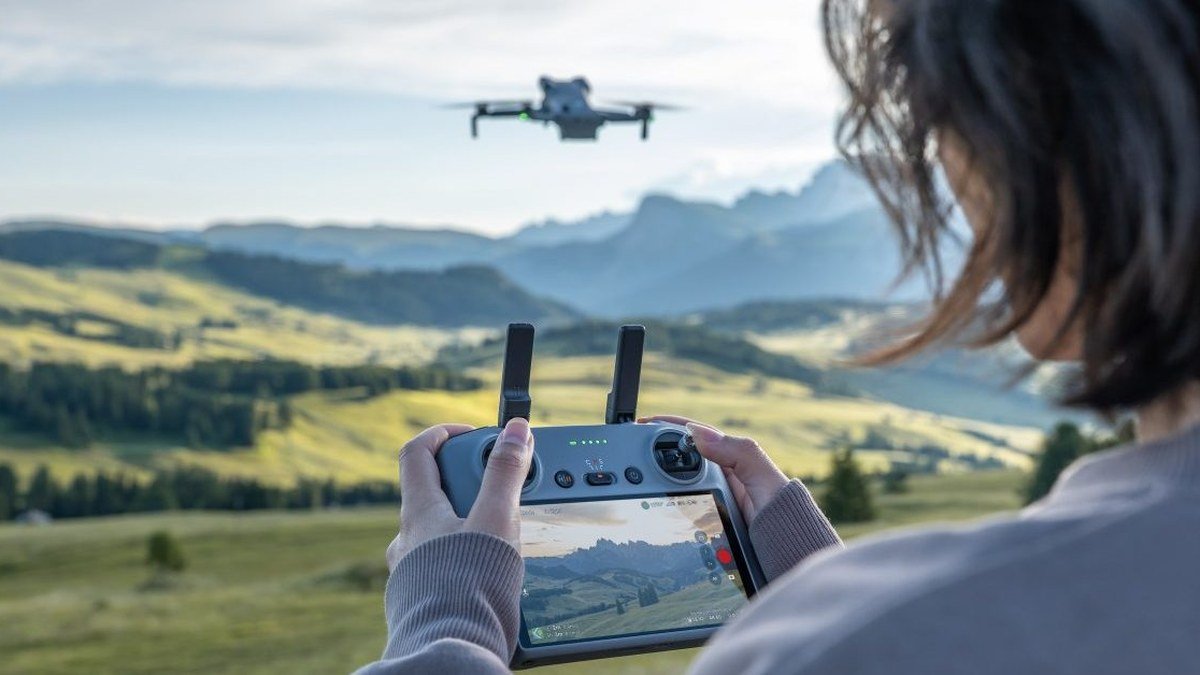
- Pros: True 4K on a 3-axis gimbal; 31-minute flight time; under 249 g, no registration; beginner-friendly QuickShots; frequent discounts.
- Cons: No obstacle avoidance; smaller sensor struggles in low light; 4K tops out at 30fps.
Best for: First-time buyers who want the safest, most proven sub-$500 drone.
2. DJI Neo 2 — Best Pocket Drone
At 151 g, the Neo 2 might be the most fun you can have for ~$259. It launches from your palm, follows you via gesture controls and ActiveTrack, and shoots 4K with up to 100fps slow motion. Add the Digital Transceiver and a controller for extended-range flights; add Goggles N3 for FPV. Omnidirectional obstacle sensing and 49 GB of internal storage are unheard of at this price.
Trade-offs: ~19-minute flights, no microSD slot, a small sensor that prefers daylight. It’s a lifestyle drone first — but an excellent one. See our best FPV drones for beginners guide if the goggles appeal.
- Pros: 151 g, no registration; palm takeoff and gesture control; 4K video; obstacle sensing; often ~$259.
- Cons: ~19-minute battery; no microSD expansion; weak in wind and low light.
Best for: Travelers and vloggers who want a drone that fits in a jacket pocket.
3. DJI Flip — Best Camera Under $500
The DJI Flip packs the best camera under $500: a 1/1.3-inch sensor shooting 4K/60fps HDR and 48 MP photos on a 3-axis gimbal, in a folding sub-249 g frame. Its protected propeller design feels safest to launch near people, and you get forward 3D infrared sensing, 31-minute flights, and 13 km O4 transmission. At $439 it’s the enthusiast’s pick.
It’s not perfect: there’s no true omnidirectional sensing, and the unusual folding design means fewer third-party accessories. But for image quality per dollar under $500, nothing else here touches it.
- Pros: Best-in-class 1/1.3″ camera for the price; 4K/60 HDR; 31-min flight; under 249 g; 13 km range.
- Cons: Limited obstacle sensing; quirky folding design; $439 pushes the budget ceiling.
Best for: Buyers who prioritize photo and video quality above all else.
4. Potensic Atom 2 — Best Non-DJI Pick
The Potensic Atom 2 is the strongest argument for looking beyond DJI. For ~$319–$400 you get a sub-249 g folder with a Sony 1/2-inch sensor: 4K/30fps HDR video, 8K-resolution photos, 3-axis gimbal, 32-minute flights, 10 km transmission. AI tracking, vertical shooting, and QuickShots-style modes cover creator basics, plus built-in Remote ID for future Part 107 commercial work.
Potensic’s app and support aren’t as polished as DJI Fly, and the camera, while good, trails the DJI Flip’s larger sensor. But as a value-packed alternative with legit specs, the Atom 2 earns its spot.
- Pros: Strong specs for the price; 32-min flight; built-in Remote ID; vertical shooting; under 249 g.
- Cons: App and support trail DJI; camera slightly behind the Flip; fewer accessories.
Best for: Buyers who want DJI-adjacent specs without the DJI badge (or price).
5. DJI Mini 3 — Best Battery Life Under $500
The DJI Mini 3 is the budget class’s endurance runner. Its 1/1.3-inch sensor shoots 4K HDR with genuinely good dynamic range, and the standard battery delivers up to 38 minutes — the longest here without a Plus battery pushing it over 249 g. At $419 it splits the Mini 4K and Flip: bigger sensor than the former, longer flights than the latter, with 10 km O3 transmission.
It’s an older model now, so it lacks the Flip’s 4K/60 and the Neo 2’s obstacle sensing. But if long, relaxed flights matter more than spec-sheet peaks, the Mini 3 is still a smart buy in 2026.
- Pros: 38-minute flight time; large 1/1.3″ sensor; 4K HDR; under 249 g; proven reliability.
- Cons: 4K limited to 30fps; no obstacle avoidance; older design.
Best for: Pilots who want maximum airtime per battery on a budget.
6. DJI Neo — Cheapest DJI Worth Buying
The original DJI Neo (135 g) is the cheapest way to own a real DJI drone — around $199 at launch, often $169 now. You get palm takeoff, AI subject tracking, 4K stabilized video, and the same simple app experience as its bigger siblings. It’s the perfect low-risk “is droning for me?” experiment.
Reality check: 18-ish minutes of flight, a small sensor, and no obstacle sensing. The Neo 2 is better in every way for not much more money. But if your budget is absolutely capped at $200, the Neo is the only pick here I’d actually recommend — skip the no-name $99 “4K” drones entirely.
- Pros: Cheapest real DJI drone (~$169–$199); 135 g, no registration; palm takeoff; simple to fly.
- Cons: Short flight time; basic camera; outclassed by the Neo 2.
Best for: Absolute beginners testing the waters under $200.
7. DJI Mini 2 SE — Best Discounted Classic
The Mini 2 SE is the old reliable of budget drones. Its camera tops out at 2.7K, which sounds like a dealbreaker until you see the price: launched at $299 and often lower now, with 31-minute flights, 10 km transmission, Level 5 wind resistance, and DJI’s rock-solid flight experience under 249 g. For social video and learning, 2.7K is honestly fine.
Buy it only on sale — at full price the Mini 4K is the better drone for the same money. But discounted, the 2 SE is a proven workhorse that keeps showing up in tech gift guides for good reason.
- Pros: Proven reliability; 31-min flight; 10 km range; under 249 g; often discounted.
- Cons: 2.7K max video (no 4K); no obstacle avoidance; outclassed by the Mini 4K at full price.
Best for: Bargain hunters who find it on sale and don’t need 4K.
Buying Guide: How to Shop Sub-$500 Drones
1. Insist on a 3-axis mechanical gimbal
Electronic stabilization can’t fix a shaky drone. Every pick here has a true 3-axis gimbal — if one you’re eyeing doesn’t, walk away.
2. Stay under 249 g if you can
Drones over 250 g must be FAA-registered in the US ($5, three years) even for fun flying. All seven picks here duck under the limit, which also means fewer headaches when traveling — see our best travel drones for more on that.
3. Budget for the Fly More version
One battery means 25–35 minutes of flying, then you’re done. Combos with two or three batteries cost more upfront but transform how much you fly. Check bundle pricing before buying the base kit.
4. Ignore the megapixel marketing
Cheap drones advertise “4K” cameras that are really upscaled 1080p. Stick to known brands — DJI, Potensic, Autel — where the sensor specs are real and the footage matches the claims.
Final Verdict
The DJI Mini 4K at $299 is the best drone under $500 for most people — proven, simple, and genuinely good 4K footage. Photographers should stretch to the Flip ($439) for its 1/1.3-inch sensor; endurance flyers to the Mini 3 ($419) for 38-minute flights; travelers to the Neo 2 (~$259) as a pocketable 4K companion. The Potensic Atom 2 is the best non-DJI value, the Neo is the cheapest credible entry, and the Mini 2 SE is a fine buy on sale. Any of the seven beats a mystery-brand “4K” drone by a mile.
Frequently Asked Questions
What is the best drone under $500 in 2026?
The DJI Mini 4K ($299). It combines true 4K video on a 3-axis gimbal, 31-minute flight time, sub-249 g weight, and DJI’s beginner-friendly software — the safest all-around pick under $500.
Are cheap drones under $200 worth it?
Mostly no — unknown brands deliver poor cameras and weak stabilization. The exception is the DJI Neo (~$169–$199), the only ultra-budget drone with genuinely good flight performance.
Do I need to register a drone under $500 with the FAA?
Only if it weighs 250 g or more. All seven drones in this guide weigh under 249 g, so recreational US pilots skip registration — though you still need to pass the free TRUST test.
How long do sub-$500 drones fly per battery?
Typically 18–38 minutes: the Neo manages ~18, most Minis ~31, the Mini 3 stretches to 38. Real-world times run a few minutes shorter than claimed.
Can a $500 drone shoot professional-looking video?
For daylight work, yes — the Flip’s 1/1.3-inch sensor and 4K/60 HDR produce genuinely impressive footage. Low light is where budget drones still trail $700+ models like the Mini 5 Pro.
Should I buy the Fly More Combo?
If you can afford it, yes. Extra batteries, a charging hub, and a carry case typically cost far more bought separately, and one battery’s 30-ish minutes runs out fast.
Five hundred dollars goes a long way in 2026 — pick the drone that matches how you’ll fly, grab an extra battery, and get in the air.
Affiliate Disclosure: This article contains affiliate links. If you purchase through them, we may earn a commission at no extra cost to you.
Where to Buy: Check Price on Amazon · Compare Prices on Daraz · Check Daraz Deals · Check AliExpress Price · See AliExpress Deals
Check the price on AliExpress — the global marketplace with millions of tech products.
As an AliExpress affiliate, we may earn a commission on qualifying purchases.