DJI Mini 5 Pro vs DJI Flip: Which Sub-249g Drone Should You Buy in 2026?
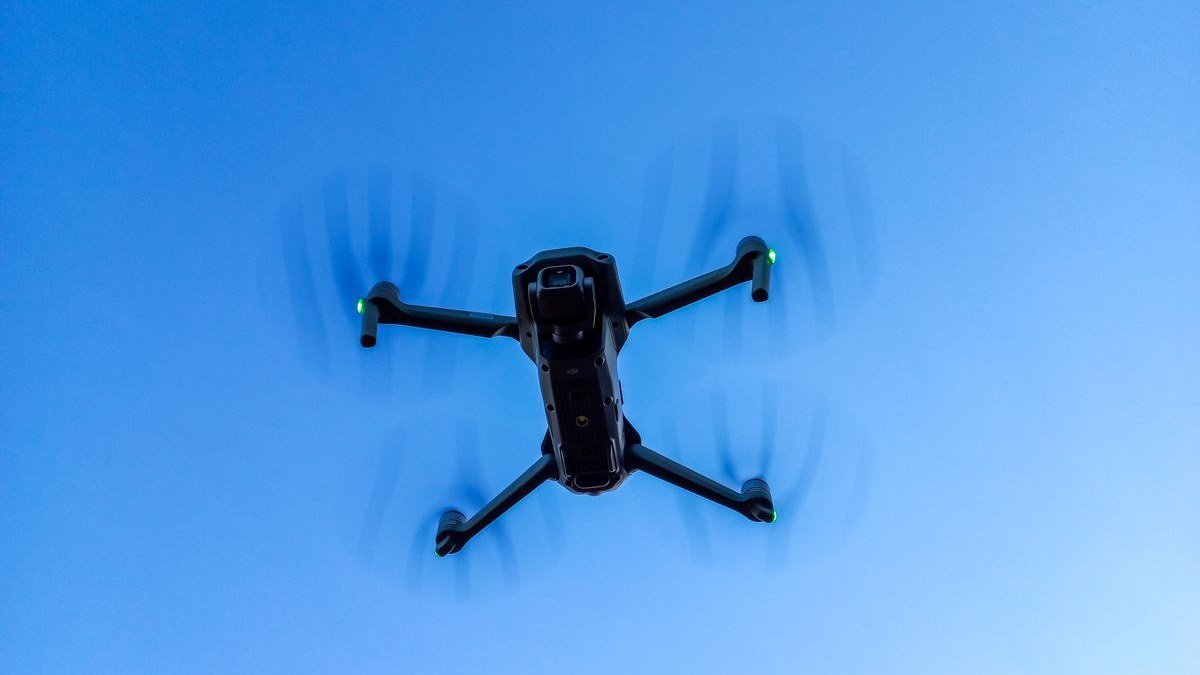
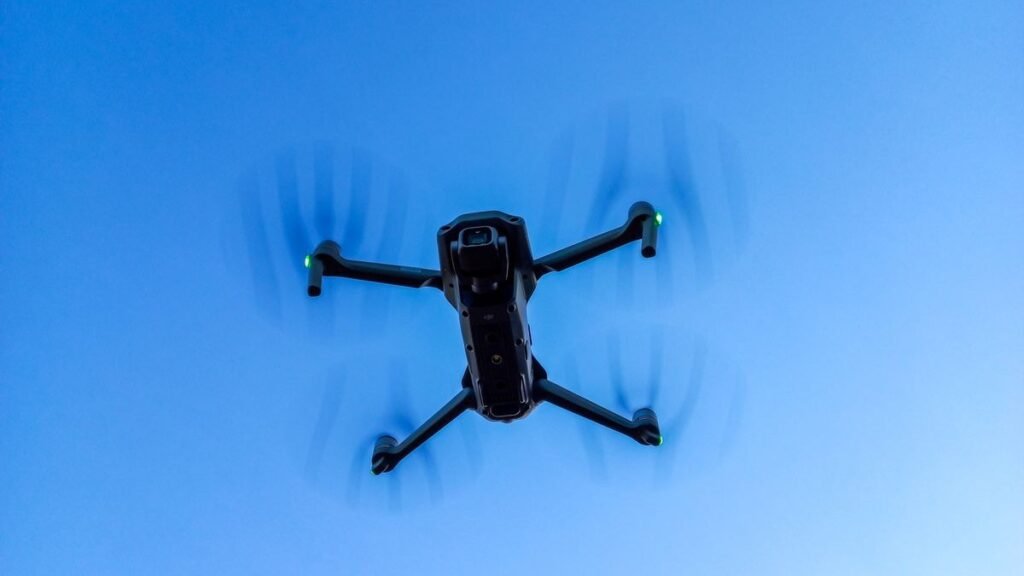
The DJI Mini 5 Pro vs DJI Flip debate is the question every sub-249g drone buyer hits in 2026. Both sneak under the FAA’s 249-gram registration threshold, both shoot 4K/60 video, and both fly on DJI’s rock-solid O4 transmission. So where should your money go? Short answer: the Mini 5 Pro is the better camera drone, while the Flip is the friendlier, cheaper flyer for beginners and casual creators. The details matter, though — one packs a much larger sensor, the other wraps its props in guards that fold out in seconds.
This head-to-head lays out exactly what each drone offers, how they differ on camera, flight time, safety, portability, and price, and which one fits your flying style. If you’re choosing between DJI’s best sub-249g camera drone and its most beginner-friendly flyer, you’re in the right place.
Disclosure: This article contains affiliate links. As an Amazon Associate, we earn from qualifying purchases. We may also earn commissions from Daraz and AliExpress purchases made through links on this page, at no extra cost to you.
DJI Mini 5 Pro: What You Get
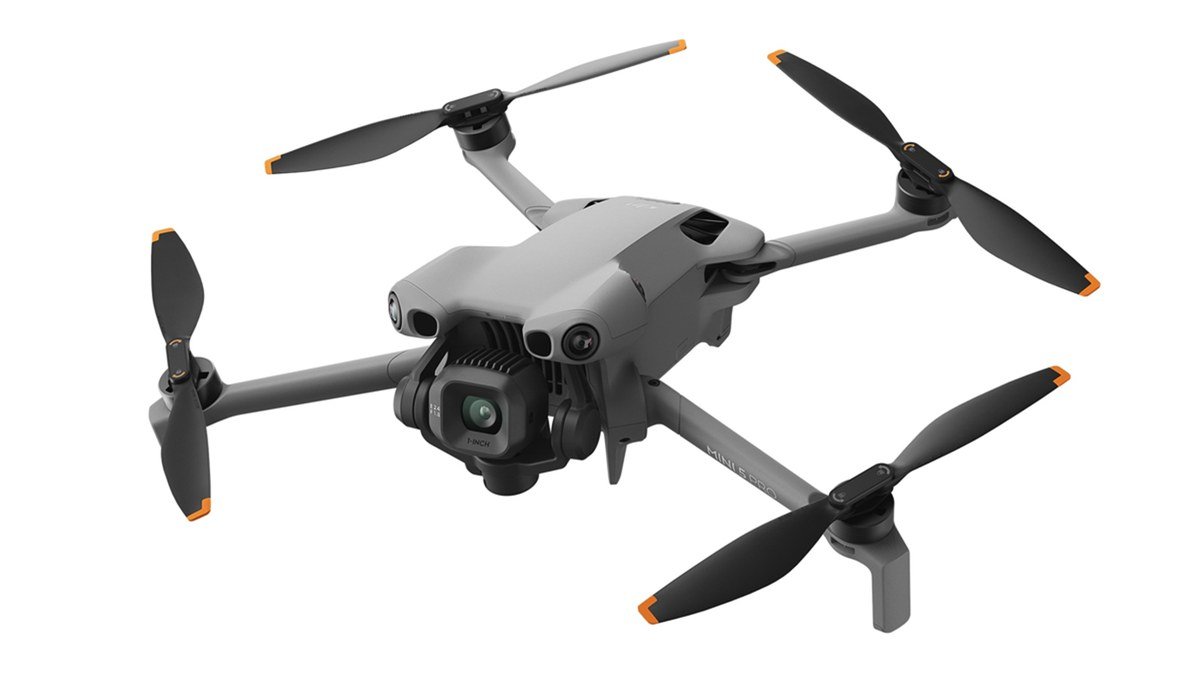
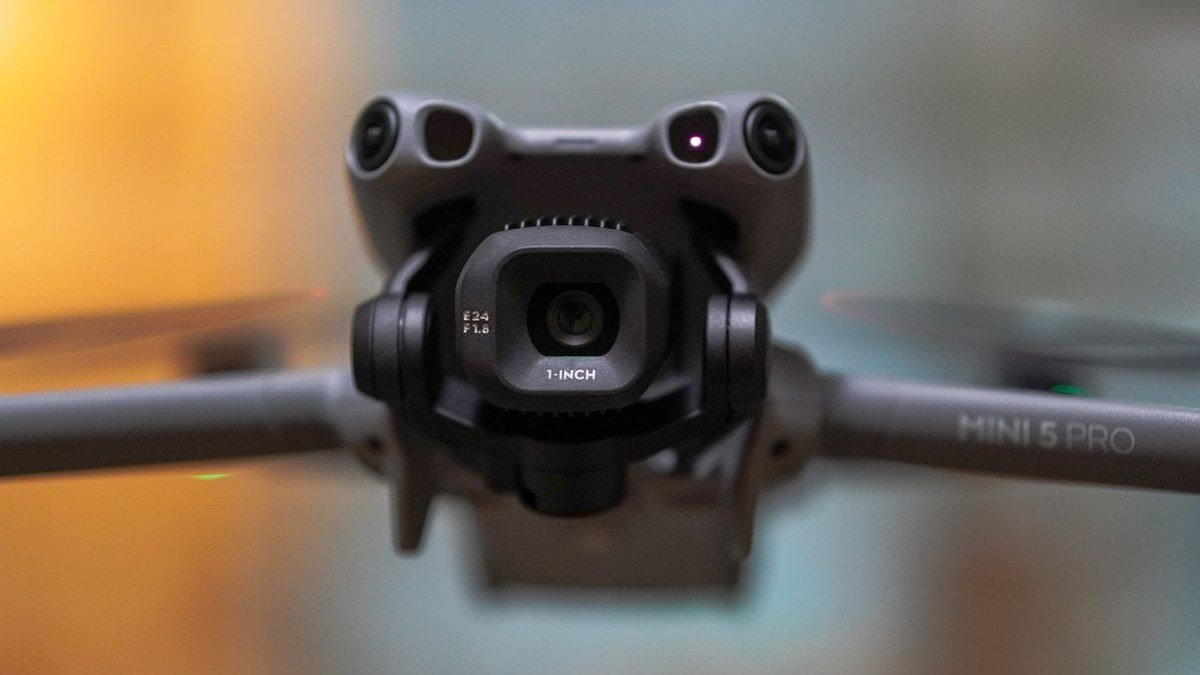
The DJI Mini 5 Pro is DJI’s flagship sub-249g drone, aimed squarely at people who put image quality first. Its headline feature: a 1-inch CMOS sensor — the largest sensor DJI has ever squeezed into a Mini-series drone. That means cleaner low-light footage, better dynamic range, and noticeably more detail than anything else in its weight class. It shoots 4K/60fps HDR video and 48MP stills, with 10-bit D-Log M for color grading.
On the flying side, you get around 36 minutes of max flight time, omnidirectional obstacle sensing, ActiveTrack 360 subject tracking, and DJI’s O4 video transmission with up to 20 km of range (line of sight, ideal conditions). The front arms are redesigned to sit lower than the body, which helps wind resistance — DJI rates it for Level 5 winds. Pair it with a vlogging camera for your ground footage and you’ve got a complete travel content kit that fits in a jacket pocket.
At around $760 for the standard RC-N3 bundle, it’s not cheap. But it’s the closest thing to a pro drone you can fly without FAA registration (recreational use). If your priority is the best footage from a sub-249g drone, this is it.
DJI Flip: What You Get
The DJI Flip takes a totally different approach. Instead of chasing the best sensor, it’s built around one idea: make flying feel safe and effortless. Its signature trick is a folding full-coverage propeller guard — the props sit inside protective rings that fold out with the arms. That makes the Flip far more forgiving for beginners, kids, and anyone flying near people or obstacles.
The camera is no slouch: a 1/1.3-inch 48MP sensor shooting 4K/60fps HDR with 10-bit D-Log M. It won’t match the Mini 5 Pro’s 1-inch sensor in low light, but in daylight the Flip’s footage is genuinely good — sharp, stable, and more than enough for social media and YouTube. You also get AI subject tracking that works without a controller: the Flip can take off from your palm, track you automatically, and capture selfie-style shots hands-free.
Flight time is around 31 minutes, on the same O4 transmission as the Mini 5 Pro. Obstacle sensing is forward and downward only — not omnidirectional like the Mini 5 Pro — so you need to be more careful flying sideways or backward. At around $440, it undercuts the Mini 5 Pro by a wide margin. For beginners and travelers who want a “good enough” camera with maximum simplicity, the Flip is one of the easiest drones DJI has ever made.
DJI Mini 5 Pro vs DJI Flip: 5 Key Differences
1. Camera Quality
This is the biggest gap between the two. The Mini 5 Pro’s 1-inch sensor captures noticeably more light and detail than the Flip’s 1/1.3-inch sensor. In golden hour, overcast skies, or indoor lighting, the Mini 5 Pro holds shadows and highlights better and produces less noise. The Flip shoots great daylight footage — most viewers won’t spot the difference on a phone screen — but if you grade footage, crop stills, or shoot in tricky light, the Mini 5 Pro’s sensor advantage is real and visible.
2. Flight Time and Range
The Mini 5 Pro flies around 36 minutes per battery versus around 31 on the Flip. That extra five minutes matters more than it sounds — it’s often the difference between getting the shot and packing up. Both use DJI’s O4 transmission with similar range, and both stay connected reliably well beyond what you’d ever fly visually. For long sessions, the Mini 5 Pro also supports a higher-capacity battery that pushes flight time further (at the cost of exceeding 249g).
3. Obstacle Sensing and Safety
The Flip wins on physical safety: its folding prop guards protect the propellers (and anything near them) from contact. It’s the drone you’d hand to a nervous first-timer. The Mini 5 Pro wins on electronic safety: full omnidirectional obstacle sensing in every direction, versus the Flip’s forward-and-downward-only sensing. One guards against bumps; the other sees danger coming. If you fly mostly in open space, the Mini 5 Pro’s sensing is more useful day to day.
4. Portability and Design
Both are sub-249g and genuinely pocketable, but the Flip’s folding guards make it bulkier — it looks and feels more substantial. The Mini 5 Pro folds down smaller and slips into a jacket pocket or small bag easily, which makes it the better travel companion. Build quality is excellent on both; the Flip’s design just prioritizes protection over compactness. If you want a fast portable SSD to offload all that 4K footage while traveling, both drones pair well with one.
5. Price and Value
The Flip costs around $440 — roughly $320 less than the Mini 5 Pro’s ~$760 starting price. That’s a big gap for two drones that look similar on a spec sheet. The Mini 5 Pro earns its premium with the larger sensor, longer flight time, and omnidirectional sensing. The Flip earns its price with simplicity and safety. Budget shoppers can also find the Flip’s accessories and Fly More bundles at a discount on AliExpress, while Daraz carries both drones for regional buyers.
DJI Mini 5 Pro vs DJI Flip: Comparison Table
| Spec | DJI Mini 5 Pro | DJI Flip |
|---|---|---|
| Weight | Under 249g | Under 249g |
| Camera sensor | 1-inch CMOS, 48MP | 1/1.3-inch CMOS, 48MP |
| Video | 4K/60fps HDR, 10-bit D-Log M | 4K/60fps HDR, 10-bit D-Log M |
| Max flight time | ~36 min | ~31 min |
| Obstacle sensing | Omnidirectional | Forward + downward |
| Propeller guards | Optional add-on | Built-in folding guards |
| Transmission | DJI O4 (up to ~20 km) | DJI O4 (up to ~20 km) |
| Subject tracking | ActiveTrack 360 | AI tracking, palm takeoff |
| Price | ~$760 | ~$440 |
DJI Mini 5 Pro vs DJI Flip: FAQs
Do the DJI Mini 5 Pro and DJI Flip need FAA registration?
For recreational flying in the US, no — both weigh under 249 grams, which exempts them from FAA registration. You’ll still need to pass the free TRUST test and follow recreational flying rules. Fly either drone commercially (for a client, a business, or monetized content) and you’ll need Part 107 certification regardless of weight.
Is the DJI Flip good enough for YouTube?
Yes, for most YouTube use cases. The Flip’s 4K/60 HDR footage with 10-bit color looks excellent in daylight and edits well. The Mini 5 Pro pulls ahead in low light and heavy grading — if your channel leans on sunrise/sunset shots or cinematic color work, the bigger sensor pays off.
Which is better for beginners, Mini 5 Pro or Flip?
The Flip is the friendlier beginner drone. Its built-in prop guards, simpler controls, and palm-launch AI tracking make first flights way less stressful. The Mini 5 Pro is also easy to fly — DJI’s software holds it steady — but it’s a pricier machine to learn on, and it has no built-in guards.
Can either drone replace a larger camera drone?
The Mini 5 Pro comes closest. Its 1-inch sensor delivers footage that holds up against drones twice its size and weight, making it a legitimate travel or backup drone for serious shooters. The Flip is more of a fun, casual flyer — great for social content, less suited as a primary camera platform.
Which one should travelers pick?
The Mini 5 Pro folds smaller, and its sub-249g weight simplifies regulations in many countries — a big deal for international travel. The Flip’s bulkier guard design eats more bag space. If your trips center on photography, the Mini 5 Pro is the travel pick.
Final Verdict: Which Should You Buy?
The DJI Mini 5 Pro vs DJI Flip choice comes down to what you value more: image quality or ease of use. Buy the Mini 5 Pro if you care about the best possible footage, fly in varied lighting, want longer flight times and full obstacle sensing, and can stretch to around $760. It’s the enthusiast’s pick and the best sub-249g camera drone DJI makes.
Buy the DJI Flip if you’re new to drones, want built-in propeller protection, love the hands-free AI tracking tricks, or just want capable 4K footage for around $440. For casual creators and first-time pilots, the Flip is honestly the smarter buy — you’ll crash-proof your learning curve and still get footage that looks great online.
Our pick for most people starting out: the Flip. Our pick for anyone serious about aerial photography: the Mini 5 Pro, no contest.
Where to Buy: Compare Prices on Daraz · Check AliExpress Price
Check the price on AliExpress — the global marketplace with millions of tech products.
As an AliExpress affiliate, we may earn a commission on qualifying purchases.