Best Drones for Real Estate Photography in 2026: 5 Picks That Sell Homes
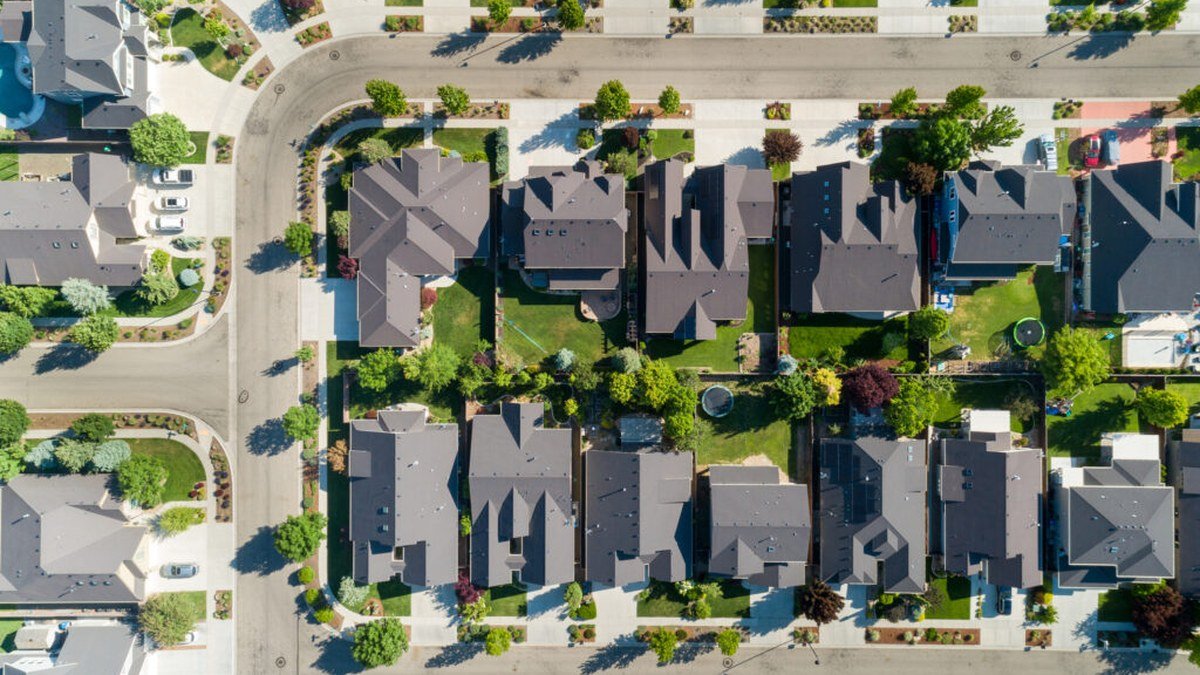
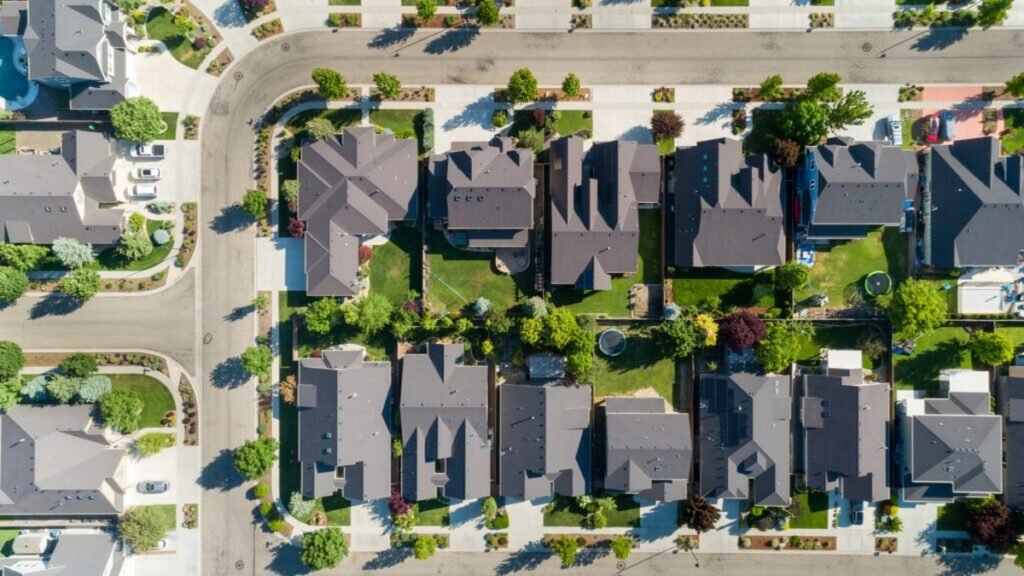
The best drones for real estate photography pay for themselves fast. Listings with aerial photos get dramatically more views, and in 2026 drone shots have gone from luxury marketing to buyer expectation — especially for homes with land, pools, or standout exteriors. A $760 drone can make a $400,000 listing look like a $600,000 one.
This guide covers the five drones worth buying for real estate work in 2026, from the budget DJI Mini 4K to the flagship Mavic 4 Pro. We’ll explain what matters in a real estate drone, how to choose, and the legal requirement you can’t skip: commercial drone work requires a Part 107 certificate, even under 250 grams.
Disclosure: This article contains affiliate links. As an Amazon Associate, we earn from qualifying purchases. We may also earn commissions from Daraz and AliExpress purchases made through links on this page, at no extra cost to you.
What Makes a Great Real Estate Drone
Real estate drone work is photography, not flying. The shots that sell homes are slow and simple: a straight-down establishing shot, a slow orbit of the exterior, a rising reveal from the front yard. The camera matters more than speed, range, or tracking tricks.
What to prioritize: a large sensor for clean twilight shots (the golden-hour exterior is the money shot of every listing), accurate color, rock-solid hovering for bracketed HDR stills, and quiet operation — neighbors notice loud drones. Vertical shooting mode is a genuine plus for social listing clips. A clean 20MP file from a 1-inch sensor beats a noisy high-megapixel shot every time. Pair your aerials with ground footage from a good vlogging camera and every listing gets the full treatment.
Real Estate Drone Buying Guide: What to Look For
1. Sensor size and low-light performance
The best real estate photos happen at dawn and dusk, when the light is warm and windows glow — exactly when small sensors struggle. A 1-inch sensor (Mini 5 Pro, Air 3S, EVO II Pro) or 4/3 sensor (Mavic 4 Pro) captures clean twilight exteriors with minimal noise. For evening shoots, sensor size is the single most important spec.
2. Stability and wind handling
Bracketed HDR stills need the drone to hold perfectly still across 3–5 exposures. Heavier drones hold position better in a breeze; sub-249g drones drift more in wind. Schedule shoots for calm mornings.
3. Intelligent flight modes for smooth video
You don’t need to be a great pilot — the drone’s automated modes do the work. Point of Interest orbits and waypoint flights produce the smooth moves handheld flying can’t match. Reliable orbit and tracking modes are what separate amateur-looking listing videos from professional ones.
4. Portability, noise, and client perception
You’ll be flying with the homeowner watching. A compact, quiet drone that sets up in a minute makes a better impression than a large, loud machine — and it’s easier to carry between shoots. Spare batteries and accessories are widely available on AliExpress and Daraz, which helps when you’re building a working kit on a budget.
The 5 Best Drones for Real Estate Photography in 2026
1. DJI Mini 5 Pro — Best for Most Realtors
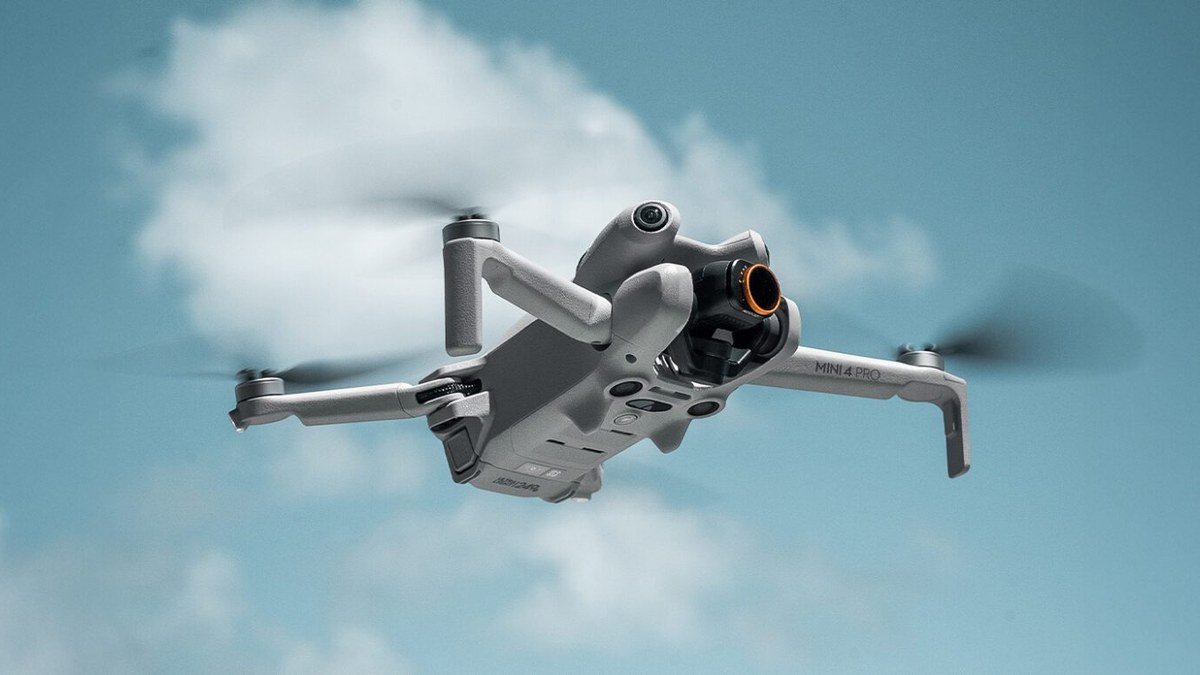
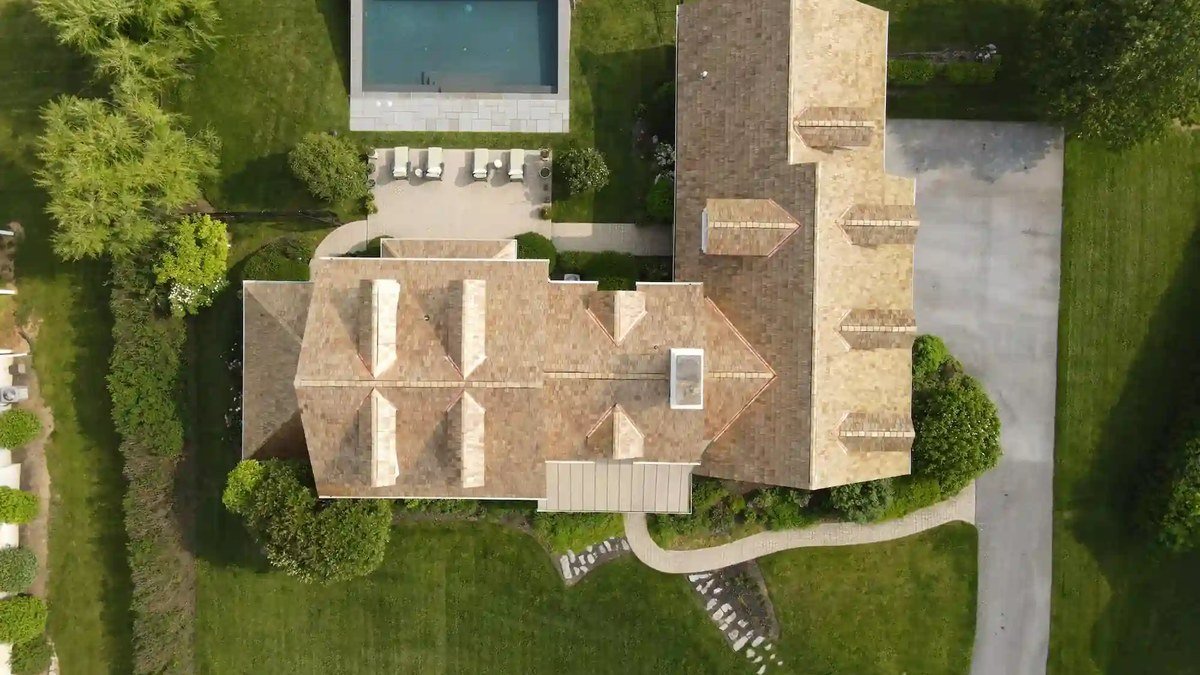
The DJI Mini 5 Pro is the real estate workhorse of 2026. The 1-inch sensor delivers clean twilight exteriors and sharp 48MP stills, the sub-249g body sets up in seconds and draws no attention in residential neighborhoods, and ~36-minute flight time covers multiple properties per battery set. Vertical shooting is built in for social listing clips.
For the typical agent shooting 2–5 listings a week, this is all the drone you need: professional image quality, minimal hassle, and a price around $760 that pays for itself with a single listing. On gusty days a heavier drone holds position better, so schedule shoots for calm mornings.
Pros: 1-inch sensor with clean low light; tiny and quiet for residential work; vertical shooting for social; excellent value.
Cons: Less stable than heavier drones in wind; single camera (no telephoto for detail shots).
Best for: Agents and photographers shooting standard residential listings.
2. DJI Air 3S — Best Dual-Camera Pick
The DJI Air 3S adds something no other drone at its price offers: a 3x telephoto camera alongside the 1-inch main sensor. That second camera is genuinely useful for real estate — tight detail shots of roofing, chimneys, and lot boundaries without flying dangerously close. The 45-minute flight time means fewer battery swaps across a day of shoots.
It’s heavier and more stable in wind than the Mini 5 Pro, which shows in bracketed HDR stills on breezy days. At around $1,100, it’s the step-up pick for photographers who shoot real estate regularly and want telephoto flexibility plus extra stability.
Pros: 3x telephoto for detail shots; very stable in wind; 45-min flight time; great value for the feature set.
Cons: Bigger and louder than Mini drones; overkill if you only shoot occasionally.
Best for: Regular real estate photographers who want telephoto flexibility.
3. DJI Mavic 4 Pro — Best for Luxury Listings
For luxury properties, the DJI Mavic 4 Pro is the most capable camera drone a realtor can buy. The triple-camera system with its 4/3 Hasselblad main sensor captures the cleanest twilight exteriors in the business, with color science that makes high-end finishes look their best. The ~51-minute flight time covers estate-scale properties without landing.
This is overkill for standard suburban listings — it’s aimed at luxury agents, architectural photographers, and developers marketing new construction. If your average listing is seven figures, the Mavic 4 Pro’s image quality is a business expense that shows up in the marketing.
Pros: Best-in-class camera for twilight exteriors; triple camera versatility; longest flight time; premium build.
Cons: Expensive; larger and more conspicuous; overkill for standard listings.
Best for: Luxury listings, architectural photography, and new developments.
4. DJI Mini 4K — Best Budget Pick
Starting a real estate side hustle on a budget? The DJI Mini 4K costs around $300 and shoots genuinely good 4K/30 video and 12MP stills — enough for clean, bright listing photos in daylight. It’s sub-249g, dead simple to fly, and quiet enough for any neighborhood. For agents who just need an establishing aerial and a slow orbit per listing, it gets the job done.
The compromises are real: a smaller sensor means noisier twilight shots, no vertical shooting mode, basic obstacle sensing. But as a first drone to learn the business on, it’s the smartest $300 in real estate marketing. Upgrade when the revenue justifies it.
Pros: Extremely affordable; simple to fly; sub-249g; good daylight image quality.
Cons: Small sensor struggles at dusk; no vertical video mode; basic obstacle sensing.
Best for: Beginners and budget-conscious agents starting out.
5. Autel EVO II Pro V3 — Best Non-DJI Option
Some real estate photographers prefer staying outside the DJI ecosystem, and the Autel EVO II Pro V3 is the credible alternative. Its 1-inch 6K camera produces outstanding stills with excellent dynamic range — exactly what HDR real estate work demands — and the 40-minute flight time handles full shooting days. Autel’s lack of geofencing is a practical plus near authorization zones where DJI drones need manual clearance.
At around $1,900 it’s priced against the Mavic line with a smaller accessory ecosystem. But the camera is genuinely excellent, and for photographers standardized on Autel, it’s a strong real estate tool. Offload the big 6K files to a fast portable SSD between shoots to keep the workflow moving.
Pros: Superb 6K 1-inch camera for stills; no geofencing hassles; long flight time; solid build.
Cons: Expensive; smaller ecosystem; app less polished than DJI Fly.
Best for: Photographers committed to the Autel ecosystem.
Best Real Estate Drones: Comparison Table
| Drone | Sensor | Flight time | Standout feature | Price |
|---|---|---|---|---|
| DJI Mini 5 Pro | 1-inch, 48MP | ~36 min | Sub-249g, vertical shooting | ~$760 |
| DJI Air 3S | 1-inch + 3x tele | ~45 min | Telephoto detail shots | ~$1,100 |
| DJI Mavic 4 Pro | 4/3 Hasselblad triple | ~51 min | Best twilight quality | ~$2,200 |
| DJI Mini 4K | 1/2.3-inch, 12MP | ~31 min | Cheapest way in | ~$300 |
| Autel EVO II Pro V3 | 1-inch, 6K | ~40 min | No geofencing | ~$1,900 |
Real Estate Drone FAQs
Do I need a Part 107 license for real estate drone photos?
Yes. Any drone flight done for a business purpose — including real estate listings — is commercial under FAA rules and requires a Part 107 Remote Pilot Certificate. The sub-249g exemption only applies to recreational flying. The exam costs around $175 and takes some study.
What’s the best time of day for real estate drone photos?
The hour after sunrise and the hour before sunset. Warm light flatters exteriors, long shadows add depth, and glowing windows photograph beautifully at dusk. Midday sun makes harsh shadows; overcast days work well too — soft light is flattering and easy to expose.
How many megapixels do I need for listing photos?
Less than you think. MLS systems display images at modest resolutions, and a clean 12–20MP file is plenty. Sensor size matters far more than megapixel count — a 20MP photo from a 1-inch sensor beats a 48MP photo from a tiny sensor, especially in low light.
Should I shoot video too, or just photos?
Both. Photos carry listings, but short aerial clips — a slow orbit, a rising reveal — dramatically lift engagement on listing sites and social media. Shoot 4K with slow, deliberate moves. Even 15 seconds of smooth aerial video makes a listing stand out.
How do I price drone real estate photography?
Pricing varies by market, but drone add-ons to a photo package typically run $150–$400 per listing in most US markets, with full photo-plus-video packages higher. The drone pays for itself within a handful of shoots. Price on the value to the listing — aerials demonstrably increase views and inquiries — not on your equipment cost.
Final Verdict
The best drone for real estate photography for most agents in 2026 is the DJI Mini 5 Pro — 1-inch sensor, sub-249g convenience, and vertical shooting for around $760. Step up to the DJI Air 3S (~$1,100) for the telephoto camera and extra stability, or the Mavic 4 Pro (~$2,200) for luxury listings. Beginners should start with the Mini 4K (~$300).
Whichever you choose, get Part 107 certified before your first paid shoot, master the golden-hour exterior, and keep your moves slow. In real estate, the drone is a camera that happens to fly — and the photographers who remember that book the most listings.
Where to Buy: Compare Prices on Daraz · Check AliExpress Price
Check the price on AliExpress — the global marketplace with millions of tech products.
As an AliExpress affiliate, we may earn a commission on qualifying purchases.