Best Home Theater Projectors of 2026: 5 Picks for the Big-Screen Feel
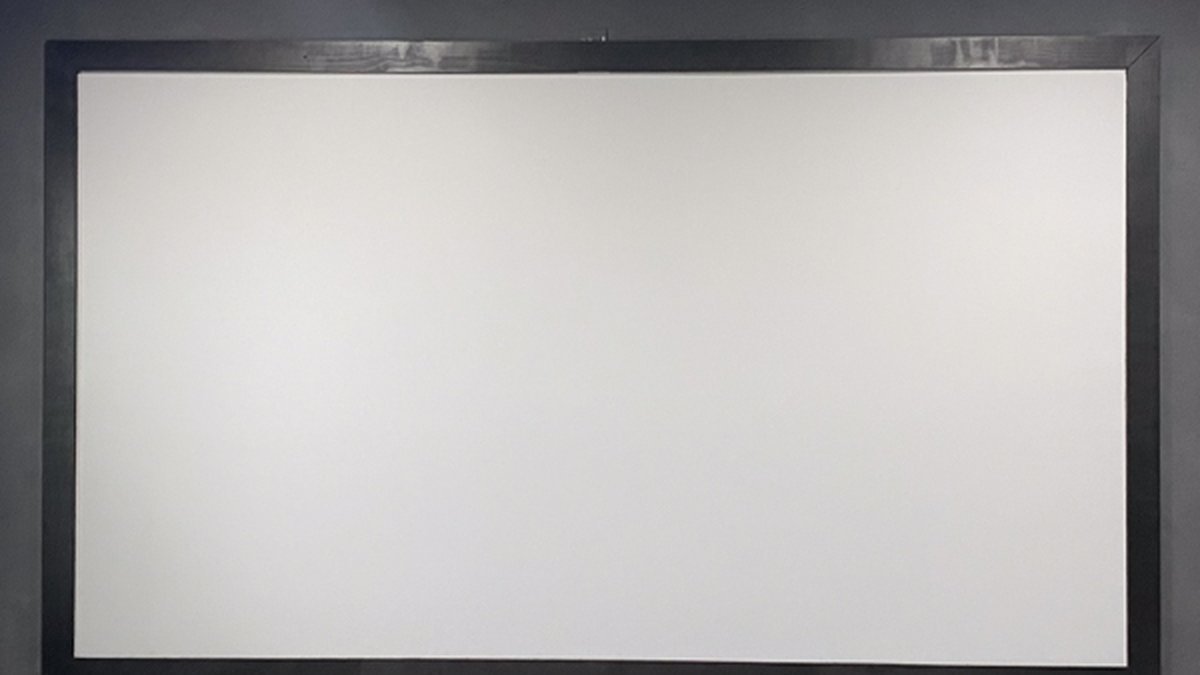
No TV gives you a 120-inch image for the price of a decent 65-incher. That’s the entire argument for the best home theater projectors of 2026: per inch, nothing else comes close. A good projector turns an ordinary living room or basement into a screening room, with movie-night scale that even the biggest flat panels can’t match.
The catch? Projectors are pickier than TVs. Room light, throw distance, screen choice, and light-source type all matter more here — and a bad match can make an expensive projector look worse than a midrange TV. This guide covers the five projectors worth buying in 2026: a 4K classic for dedicated rooms, a budget 1080p pick, an ultra-short-throw for living rooms, a triple-laser flagship, and a 4K LED all-rounder — plus how to match one to your space.
Disclosure: This article contains affiliate links. As an Amazon Associate, we earn from qualifying purchases. We may also earn commissions from Daraz and AliExpress purchases made through links on this page, at no extra cost to you.
How projectors work (and what actually matters)
A home theater projector is a small box that throws a huge image. Three imaging technologies dominate. 3LCD (Epson) uses three liquid-crystal panels, one per color, and is known for bright, color-accurate images with no “rainbow effect.” DLP (BenQ, most budget models) uses a chip covered in microscopic mirrors — sharp detail and high contrast, though a few viewers notice rainbow artifacts in fast motion. LCoS (Sony, JVC) is the enthusiast choice with the deepest blacks, but it costs far more and doesn’t appear in this price range.
One thing to know: most “4K” projectors under $4,000 aren’t native 4K. They use pixel-shifting — a 1080p-class chip flashing multiple slightly offset images per frame, which your eyes blend into a convincingly sharp 4K picture. On a 100-inch screen from a normal seating distance, it looks genuinely excellent. Don’t let the purist debate scare you off.
Light source matters too. Traditional lamps are cheap to replace but dim over time and need a minute to warm up. Laser and LED sources last 20,000+ hours, hit full brightness instantly, and hold their color better over years of movie nights. In 2026, laser and LED have mostly replaced lamps in new models — good news for buyers.
Buying guide: 4 things to get right
1. Brightness: match the lumens to your room
Lumens are the most misunderstood projector spec. In a dark basement, 1,500–2,000 lumens is plenty for a 100-inch screen. In a living room with windows, you want 2,500+ — and even then, an ambient-light-rejecting screen matters more than extra lumens. If you can’t control the light, buy brightness and a good screen, or accept that daytime viewing will look washed out on any projector.
2. Throw distance: measure before you buy
Throw distance is how far the projector sits from the screen to fill a given image size. Long-throw models need 10–14 feet for 100+ inches; ultra-short-throw (UST) models sit inches from the wall and are made for living rooms where ceiling mounting isn’t an option. Run the manufacturer’s throw calculator with your actual room measurements before ordering — skipping this is the most common projector buying mistake.
3. Resolution and HDR: 4K pixel-shift is the sweet spot
For a dedicated theater, 4K (even pixel-shifted) is worth it — the extra detail shows on 100-inch-plus screens. HDR helps too, though projectors can’t hit OLED-level peak brightness, so expect tasteful tone mapping rather than eye-searing highlights. And budget buyers can still be very happy with 1080p at 100 inches if the seating is far enough back.
4. Sound and smarts: plan for both
Built-in projector speakers are an afterthought — budget for a proper speaker setup or at least a soundbar. And check the smart platform: some projectors run full Android TV or Google TV with Netflix onboard, others need a streaming stick. A $50 stick solves it either way, so don’t overpay for smarts.
The 5 best home theater projectors of 2026
1. Epson Home Cinema 5050UB — Best overall home theater projector
The 5050UB has been the default recommendation for dedicated theater rooms for years, and it still earns the spot. Its 3LCD design delivers bright, accurate color with zero rainbow effect, and the pixel-shifted 4K image looks sharp and cinematic on screens up to 120 inches and beyond. Black levels are excellent for the price class, HDR tone mapping is tasteful, and the powered lens (zoom, focus, shift) makes installation forgiving. It’s lamp-based rather than laser, so budget for a replacement lamp down the road — but at around $3,000, nothing else gives you this much true theater performance.
Pros:
- Superb color accuracy and brightness for dark rooms
- Excellent black levels for the price
- Powered lens shift makes setup forgiving
- Proven, reliable platform with great support
Cons:
- Lamp-based, so a replacement lamp will cost you eventually
- Large and heavy — plan the mount
Best for: dedicated dark theater rooms where picture quality is the priority.
2. BenQ HT2060 — Best budget home theater projector
The HT2060 is the projector we point budget buyers toward. It’s 1080p rather than 4K, but the LED light source is rated for tens of thousands of hours, it covers a wide color gamut, and its image embarrasses projectors costing twice as much. Input lag is low enough for casual gaming, and the compact size sits on a bookshelf without a fuss. On a 100-inch screen in a dark room, most viewers won’t miss 4K. At around $1,000, it’s the cheapest way to get a genuinely cinematic image.
Pros:
- Outstanding image quality for the price
- Long-life LED light source — no lamp replacements, ever
- Low input lag for gaming
- Compact and easy to place
Cons:
- 1080p only — not ideal for very large screens viewed up close
- Needs a dark room to look its best
Best for: first-time projector buyers and dark-room movie nights on a budget.
3. Epson EpiqVision Ultra LS800 — Best ultra-short-throw projector
Can’t ceiling-mount a projector — or you just want a TV-like setup? Ultra-short-throw is the answer, and the LS800 is the one to beat. It sits inches from the wall and throws up to a 120-inch 4K image, with a bright laser light source that holds up better than most UST models in rooms with some ambient light. The built-in Yamaha-tuned sound beats typical projector audio, and Android TV is onboard. Pair it with an ALR screen and you get a living-room-friendly theater no long-throw projector can match. Expect to pay around $2,800.
Pros:
- No ceiling mount needed — it sits on a credenza
- Bright laser engine with instant on/off
- Surprisingly good built-in sound
- Excellent with an ALR screen in living rooms
Cons:
- Needs an ALR screen for best results (that’s extra cost)
- Placement is finicky — small shifts matter a lot
Best for: living rooms where a ceiling-mounted projector isn’t an option.
4. Hisense PX3-PRO — Best triple-laser projector
Triple-laser projectors use separate red, green, and blue lasers for exceptionally wide color and high brightness, and the PX3-PRO is among the best values in the category. It’s an ultra-short-throw design with a crisp 4K image, strong HDR handling, and enough brightness for rooms that aren’t fully dark. Gamers get low input lag and high refresh support — rare in the UST world. At around $3,500 it’s a serious purchase, but it delivers flagship color that lamp and single-laser models can’t touch.
Pros:
- Gorgeous wide-gamut color from the triple lasers
- Bright enough for rooms with some ambient light
- Strong gaming specs for a UST
- Premium build and design
Cons:
- Expensive — no way around it
- Some viewers notice laser speckle on certain screens
Best for: color enthusiasts who want the richest UST image available.
5. BenQ HT4550i — Best 4K LED all-rounder
The HT4550i splits the difference between the budget HT2060 and the flagship Epson: pixel-shifted 4K, an LED light source with 20,000+ hour life, and BenQ’s typically accurate out-of-box color. It’s bright enough for a 120-inch screen in a light-controlled room, quiet in eco modes, and the included Android TV dongle covers streaming. It doesn’t beat the 5050UB on contrast, but it costs less to run over its lifetime and needs zero lamp maintenance. Around $2,800 makes it the sensible middle of this list.
Pros:
- Sharp 4K image with a long-life LED engine
- Accurate color with minimal calibration
- No lamp costs, ever
- Quiet operation
Cons:
- Contrast trails the Epson 5050UB
- Streaming dongle rather than a built-in OS
Best for: buyers who want 4K sharpness with zero lamp maintenance.
Projectors compared, side by side
| Projector | Type | Resolution | Light source | Price |
|---|---|---|---|---|
| Epson Home Cinema 5050UB | Long-throw | 4K (pixel-shift) | Lamp | around $3,000 |
| BenQ HT2060 | Long-throw | 1080p | LED | around $1,000 |
| Epson EpiqVision Ultra LS800 | Ultra-short-throw | 4K (pixel-shift) | Laser | around $2,800 |
| Hisense PX3-PRO | Ultra-short-throw | 4K | Triple laser | around $3,500 |
| BenQ HT4550i | Long-throw | 4K (pixel-shift) | LED | around $2,800 |
Projector FAQs
What is the best home theater projector in 2026?
For a dedicated dark room, the Epson Home Cinema 5050UB remains our top pick — color accuracy, contrast, and lens flexibility. For living rooms, the Epson LS800 ultra-short-throw is the more practical choice, and the BenQ HT2060 is the best value under $1,000.
Do I need a projector screen, or is a wall fine?
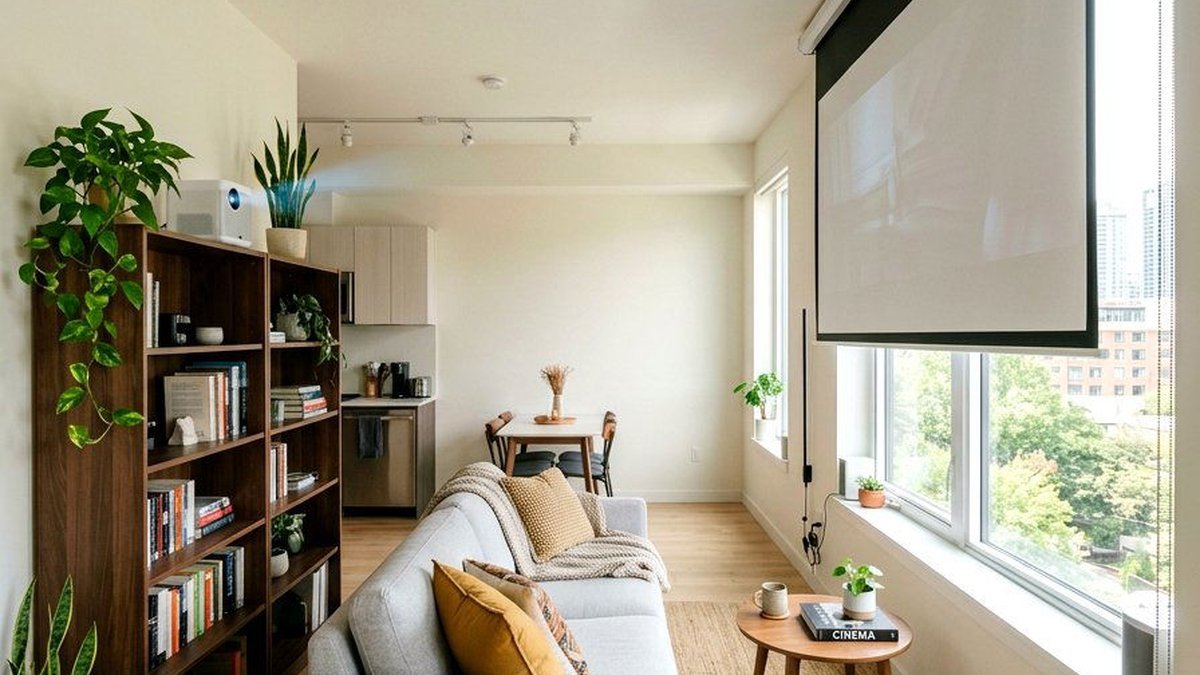
A white wall works in a pinch, but a proper screen improves contrast, brightness uniformity, and color. In rooms with ambient light, an ambient-light-rejecting (ALR) screen makes a bigger difference than upgrading the projector itself. Budget around $200–$500 for a good fixed or pull-down screen.
Is 4K worth it on a projector?
On screens 100 inches and up, yes — pixel-shifted 4K’s extra detail is visible from normal seating distances. But a great 1080p projector like the BenQ HT2060 in a dark room still looks fantastic, and it costs a fraction of the price. Room darkness matters more than resolution.
How long do projector lamps and lasers last?
Traditional lamps last roughly 3,500–5,000 hours and dim gradually; replacements typically run $100–$300. Laser and LED engines are rated for 20,000+ hours — effectively the projector’s whole life for most owners — and they hold brightness far better.
Can I use a projector for gaming?
Yes, with the right model. Look for input lag under 30ms and ideally 120Hz support — the BenQ HT2060 and Hisense PX3-PRO both handle gaming well. Competitive players should still prefer a dedicated gaming monitor, but casual console gaming on a 120-inch screen is a joy.

The verdict
The Epson Home Cinema 5050UB is still the best home theater projector for a dedicated dark room — nothing at the price touches its cinematic image. The BenQ HT2060 is our pick for budget buyers who want the big-screen experience without the big spend. If ceiling mounting is off the table, get the Epson LS800 ultra-short-throw with an ALR screen; color obsessives should stretch to the Hisense PX3-PRO; and the BenQ HT4550i is the low-maintenance 4K middle ground. Match the projector to your room first, your budget second.
Pair your new projector with the right room: our guide to the best smart lights of 2026 covers bias lighting that makes theater rooms look incredible, and budget shoppers can also browse projector screens and mounts through Daraz and AliExpress listings.
Where to Buy: Compare Prices on Daraz · Check AliExpress Price
Check the price on AliExpress — the global marketplace with millions of tech products.
As an AliExpress affiliate, we may earn a commission on qualifying purchases.