Best Subwoofers of 2026: 5 Picks for Bass You Can Feel
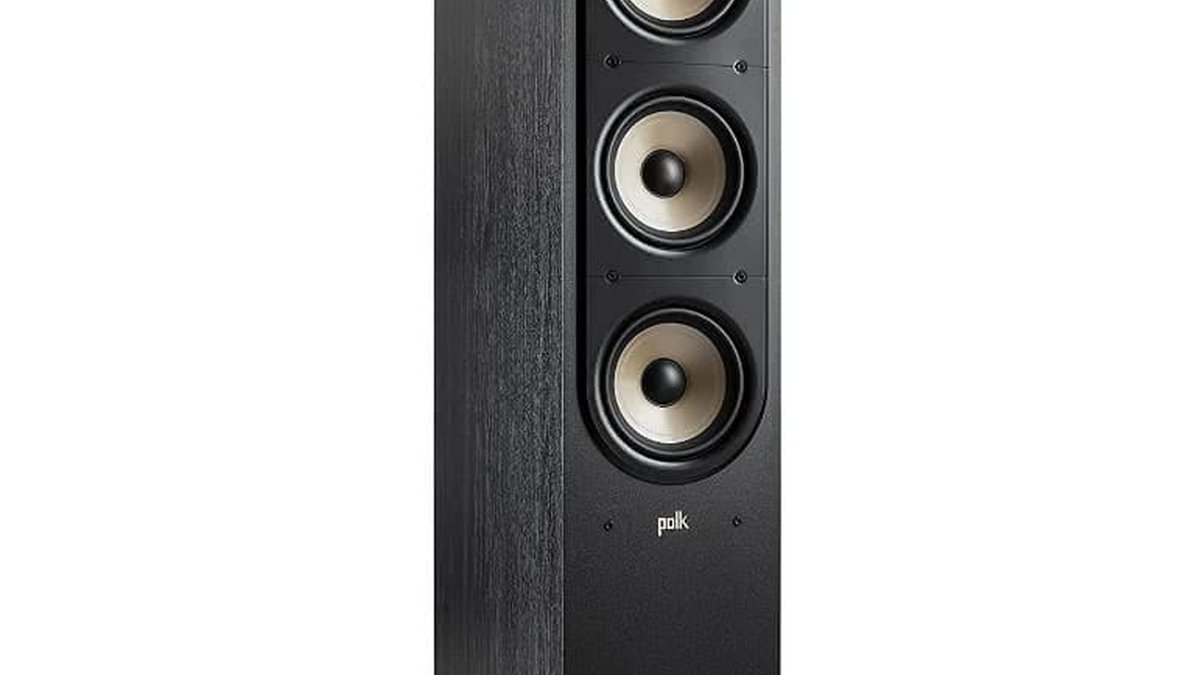
Bass is the half of the movie you feel instead of hear. Explosions thump, engines rumble, and a great score gains weight — and none of that comes from your TV’s speakers, or even a soundbar on its own. The best subwoofers of 2026 fill in everything below about 80Hz, and honestly, the difference a good one makes is bigger than upgrading your TV.
But subwoofers are also the easiest home theater purchase to get wrong. Too big and boomy for the room. Too weak to keep up with the mains. Or parked in the one corner where it sounds worst. This guide covers five subwoofers worth buying — a sealed SVS all-rounder, a ported SVS value pick, an enthusiast HSU, a budget Klipsch, and a Sonos for soundbar owners — plus how to size one for your room and place it so it actually sounds good.
Disclosure: This article contains affiliate links. As an Amazon Associate, we earn from qualifying purchases. We may also earn commissions from Daraz and AliExpress purchases made through links on this page, at no extra cost to you.
Sealed vs. ported: the one thing to understand first
Subwoofers come in two main designs. Sealed subs are airtight boxes: tight, accurate, musical bass in a compact cabinet — but they need more power to play very deep. Ported subs have a tuned vent that boosts output around the port frequency: louder and deeper for the money, fantastic for home theater — but the box is bigger, and the bass can sound slightly less controlled on music.
Neither is “better” — it’s a tradeoff. Movie-first buyers in medium to large rooms usually get more impact per dollar from ported. Music-first buyers, or anyone in a small room or apartment, often prefer sealed for its precision and smaller footprint. Driver size matters too: 10-inch subs suit small rooms, 12-inch is the sweet spot for most living rooms, and 15-inch-plus is for dedicated theaters and people who want the couch to shake.
One more thing, and it’s a big one: a subwoofer is only as good as its placement. Bass waves are long, and room modes create spots where bass piles up and spots where it cancels out. The classic advice still wins — start in a front corner, then try the “subwoofer crawl” (sub at your seat, bass-heavy content playing, crawl around to find where it sounds best). It works better than any spec sheet.
Buying guide: 4 decisions to make
1. Size the subwoofer to your room, not your ego
Room volume is what matters: a sealed 10-inch sub can pressurize a 1,500-cubic-foot bedroom beautifully and sound bloated in a bigger room. Rough guide: small rooms (under 2,000 cu ft) do well with a quality 10- or 12-inch sealed sub; medium living rooms (2,000–4,000 cu ft) want a 12-inch ported or a strong sealed 12; open-plan spaces and dedicated theaters need 15-inch drivers or dual subs. Bigger isn’t always better — an oversized sub in a small room just sounds muddy.
2. Match the sub to your use: movies vs. music
Home theater rewards extension (how deep it plays) and output (how loud it plays). Music rewards speed and accuracy — a sub that starts and stops cleanly so bass guitar notes stay distinct. Splitting time evenly? A good sealed 12-inch from SVS, or a well-tuned ported sub with a “sealed mode” (HSU includes port plugs), covers both. Be honest about the 80/20 split and buy for the 80.
3. Check connectivity and room correction
Any modern AV receiver handles bass management over a single RCA/LFE cable — that’s all most buyers need. Running a soundbar or a stereo amp with no subwoofer output? Look for high-level (speaker-wire) inputs; REL and some SVS models include them. App control and parametric EQ (SVS’s app is the benchmark here) make a real difference in taming room boom without extra hardware.
4. Budget for one great sub before two mediocre ones
Dual subwoofers smooth out room modes and are the enthusiast endgame — but one excellent $500 sub beats two $250 subs every time. Buy the best single sub your budget allows, learn your room, and add a matching second later if you catch the upgrade bug. Mismatched subs cause more problems than they solve.
The 5 best subwoofers of 2026
1. SVS SB-2000 Pro — Best subwoofer overall
The SB-2000 Pro is the subwoofer we recommend when someone asks for “the good one” without qualifiers. It’s a sealed 12-inch design with a powerful DSP-controlled amplifier, and it nails the rare balance of deep home-theater extension and tight musical control. The smartphone app gives you volume, phase, and parametric EQ from your couch — genuinely useful for dialing out room boom. Compact enough to disappear beside a media console, yet deep enough for convincing movie nights. At around $900, it’s the benchmark everything else in this class gets judged against.
Pros:
- Excellent blend of depth and musical accuracy
- Best-in-class app with parametric EQ
- Compact sealed cabinet that fits real rooms
- Superb build quality and support
Cons:
- Ported rivals play louder for the same money
- Premium price for a single 12-inch sub
Best for: mixed music-and-movie listeners who want one sub that does everything well.
2. SVS PB-1000 Pro — Best value home theater subwoofer
If movies are the priority, the ported PB-1000 Pro gives you the most rumble per dollar in the SVS lineup. The 12-inch ported cabinet digs deep — the kind of deep that makes action scenes physical — and the DSP amp keeps it composed at high volume. It’s bigger than its sealed sibling, so measure your space. But for a medium living room built around film nights, this is the price-to-performance king. Around $600 puts true theater bass within reach.
Pros:
- Deep, powerful output for home theater
- Excellent value within the SVS range
- The same great app control as the pricier models
- Stays clean at high volume
Cons:
- Large cabinet — check your floor space first
- Less nimble than sealed subs on music
Best for: movie-first buyers who want maximum impact for the money.
3. HSU Research VTF-3 MK5 HP — Best enthusiast subwoofer
HSU Research is the internet-direct legend enthusiasts whisper about, and the VTF-3 MK5 HP shows why. This is a big ported 15-inch-class subwoofer with variable tuning — the included port plugs let you run it sealed, max-output, or max-extension depending on your room and taste. It plays deeper and louder than anything near its price from mainstream brands. The tradeoff: a no-frills design, a larger box, and ordering direct instead of from a big retailer. Around $1,000 buys performance that embarrasses subs costing twice as much.
Pros:
- Enormous output and extension for the price
- Variable tuning — ported or sealed modes
- Enthusiast-grade engineering
- Legendary price-to-performance
Cons:
- Big, plain-looking cabinet
- Internet-direct only — no in-store auditions
Best for: home theater enthusiasts chasing maximum performance per dollar.
4. Klipsch R-120SW — Best budget subwoofer
The R-120SW is the subwoofer for everyone whose budget tops out around $300. A 12-inch front-firing driver with a rear port, a built-in 200-watt amp, and line/LFE inputs that work with any receiver — simple, effective, and frequently on sale well under list price. It won’t plumb the depths like the SVS picks, and it can get boomy at high volume, but for adding real weight to movies and games in a small-to-medium room, it’s a massive upgrade over no subwoofer at all.
Pros:
- Real 12-inch bass for around $300
- Simple setup that works with any receiver
- Frequently discounted
- Good enough for small and medium rooms
Cons:
- Can sound boomy at high volume
- Limited deep extension next to premium subs
Best for: budget home theater setups that need bass without the premium price.
5. Sonos Sub — Best subwoofer for soundbar owners
If your system is a Sonos soundbar, this is the only subwoofer to consider — and it’s a good one. The Sonos Sub pairs wirelessly with Sonos soundbars in minutes, no receiver or cables required, and its force-canceling dual-driver design kills cabinet vibration so all you hear is clean bass. Trueplay tuning adapts it to your room automatically. It’s expensive for what’s inside the box (around $800), and it only works within the Sonos ecosystem — but for soundbar owners who want real bass without rewiring the living room, nothing else is this seamless.
Pros:
- Dead-simple wireless pairing with Sonos soundbars
- Clean, vibration-free bass design
- Automatic Trueplay room tuning
- Attractive, furniture-like design
Cons:
- Sonos systems only — nothing else
- Expensive compared to traditional subs
Best for: Sonos soundbar owners who want bass without the hassle.
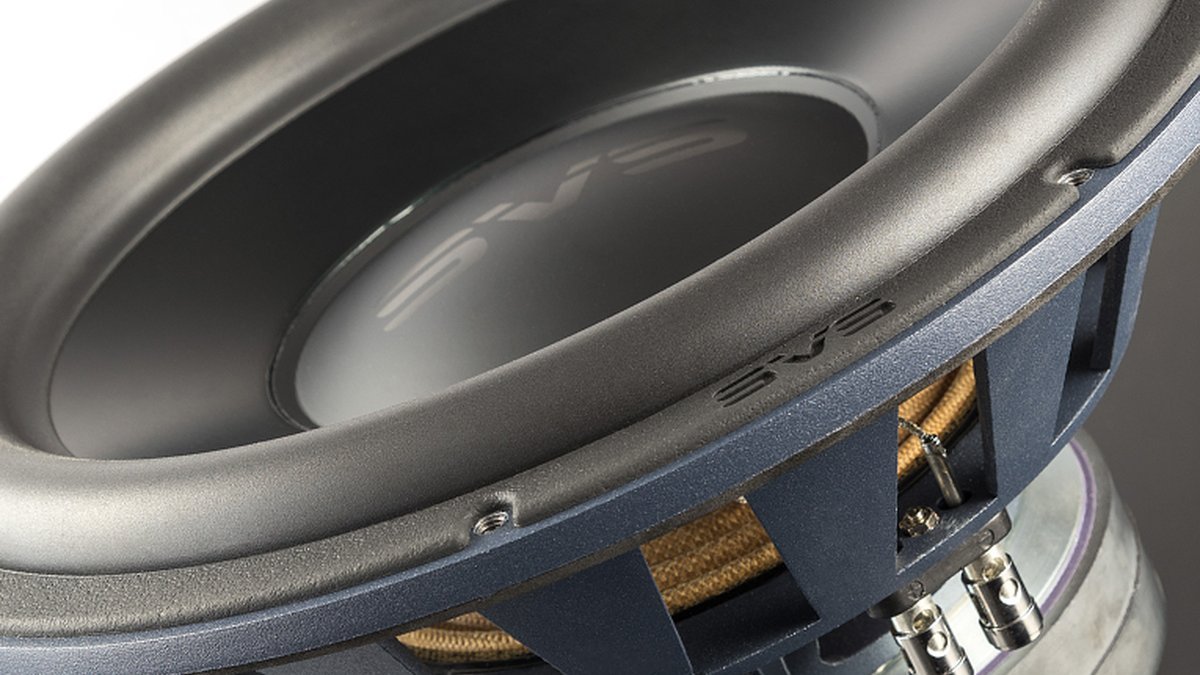
Subwoofers compared, side by side
| Subwoofer | Design | Driver | Price |
|---|---|---|---|
| SVS SB-2000 Pro | Sealed | 12″ | around $900 |
| SVS PB-1000 Pro | Ported | 12″ | around $600 |
| HSU VTF-3 MK5 HP | Ported (tunable) | 15″ class | around $1,000 |
| Klipsch R-120SW | Ported | 12″ | around $300 |
| Sonos Sub | Sealed, wireless | Dual force-canceling | around $800 |
Subwoofer FAQs
What size subwoofer do I need for my room?
Match the sub to room volume: a quality 10- or 12-inch sealed sub suits rooms under 2,000 cubic feet, a 12-inch ported sub covers most living rooms up to 4,000 cubic feet, and open-plan spaces or dedicated theaters benefit from 15-inch drivers or dual subs. When in doubt, a 12-inch from a good brand is the safest all-round choice.
Where should I place my subwoofer?
Start in a front corner near your main speakers — corners reinforce bass output. If it sounds boomy, try the subwoofer crawl: sub at your listening seat, bass-heavy content playing, walk the room to find where bass sounds smoothest, then put the sub there. Small moves — even a foot — can make a big difference.
Is a sealed or ported subwoofer better for music?
Sealed subs generally sound tighter and more controlled, which suits music. Ported subs play deeper and louder, which suits movies. Good examples of either design handle both fine — but if music is the priority, lean sealed; movies, lean ported.
Do I need two subwoofers?
Not to start. One great subwoofer beats two mediocre ones, and proper placement plus your receiver’s room correction handles most rooms. Dual subs mainly smooth out bass across multiple seats — worth considering later for a dedicated theater, but a luxury, not a requirement.
Will a subwoofer bother my neighbors?
Bass travels through walls and floors more than any other frequency, so yes — it can. A sealed sub at moderate volume, placed away from shared walls, plus your receiver’s night or dynamic-range-compression mode, keeps apartment listening neighbor-friendly. If you share walls, consider quality headphones for late-night sessions instead.

The verdict
The SVS SB-2000 Pro is the best subwoofer for most buyers — deep, musical, compact, and backed by the best app in the business. Movie-first buyers on a tighter budget should get the SVS PB-1000 Pro; enthusiasts chasing maximum output should look at the HSU VTF-3 MK5 HP; and the Klipsch R-120SW proves you don’t need to spend big for real bass. Sonos soundbar owners: the Sonos Sub is your answer. Buy one great sub, place it well, and enjoy the half of the movie you’ve been missing.
Complete your setup with a great smart speaker system for the rest of the frequency range, and compare subwoofer deals on Daraz and AliExpress if you’re hunting for a bargain.
Where to Buy: Compare Prices on Daraz · Check AliExpress Price
Check the price on AliExpress — the global marketplace with millions of tech products.
As an AliExpress affiliate, we may earn a commission on qualifying purchases.