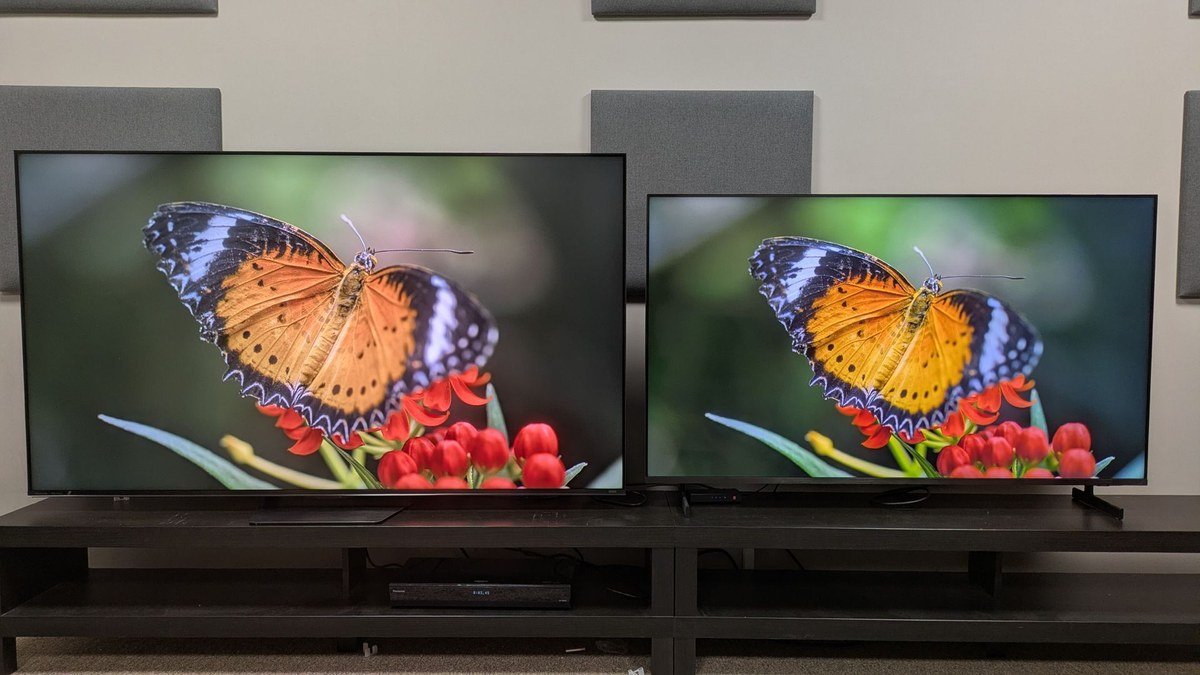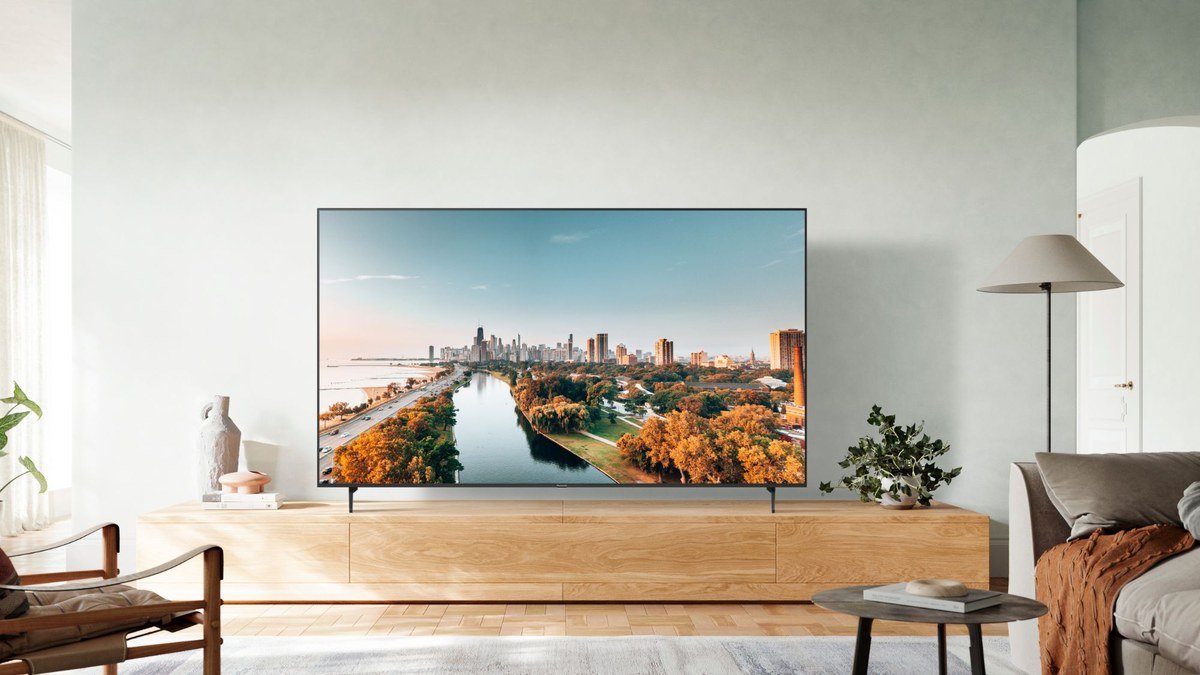
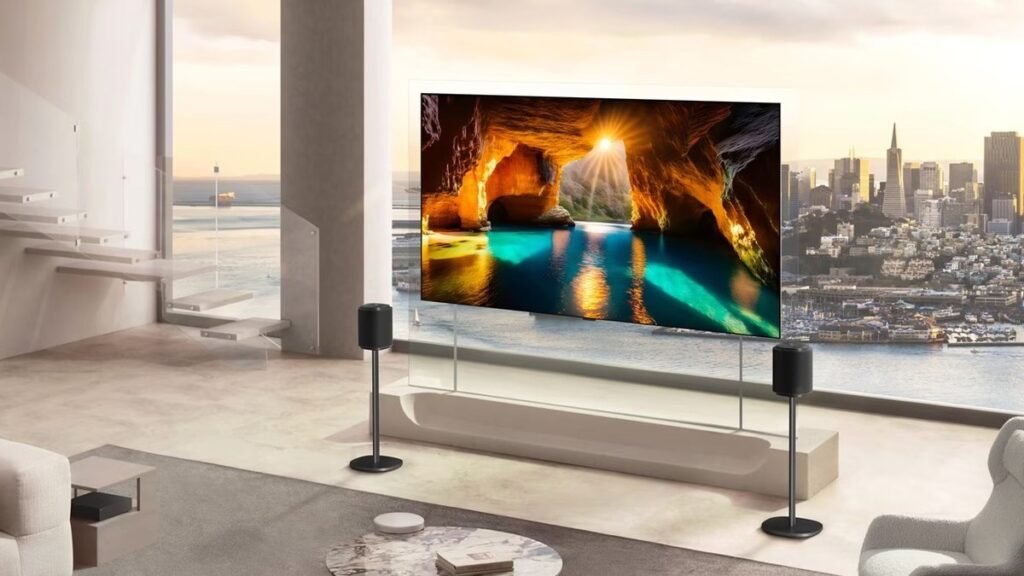
Nothing transforms movie night like an OLED. Perfect blacks, infinite contrast, and colors that seem to glow from within — once you’ve watched a film on a great best OLED TV 2026 contender, every other screen looks washed out. But OLED is no longer a one-brand story: 2026 brings brighter tandem panels, glare-killing coatings, and prices that finally dip into midrange territory. We compared the five OLED TVs worth buying this year, from the flagship Samsung S95F to a budget LG that puts OLED in reach of everyone.
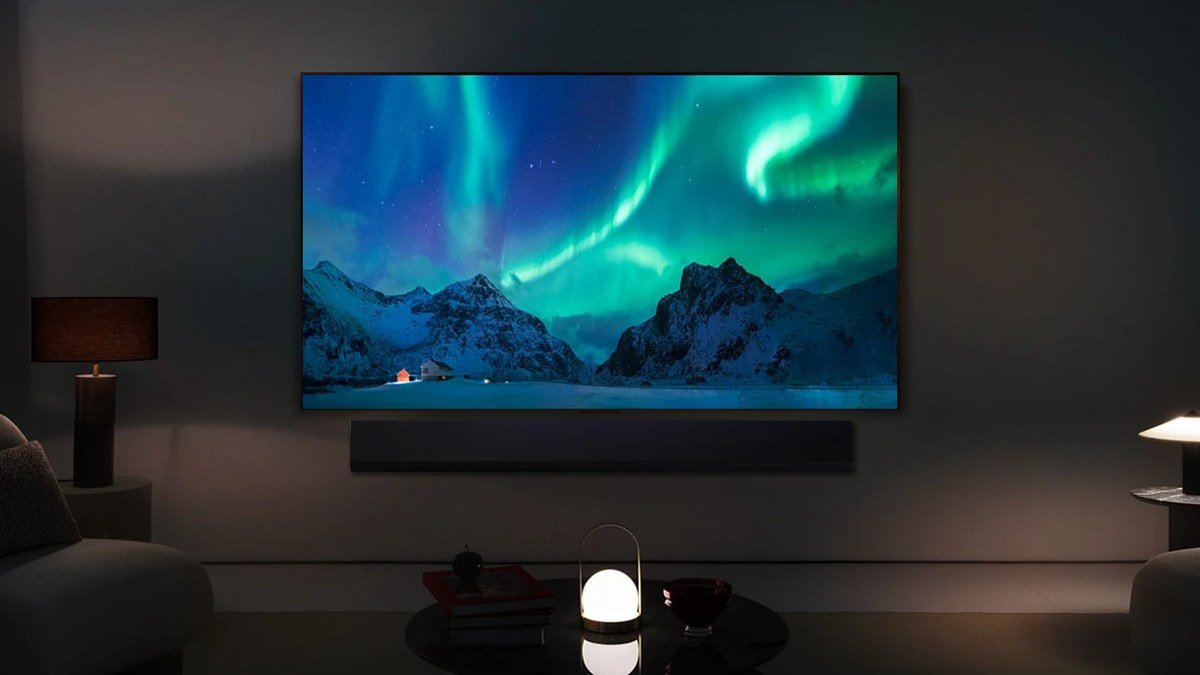
Best OLED TVs 2026: Quick Comparison
| TV | Key spec | Price |
|---|---|---|
| Samsung S95F 65″ | QD-OLED, glare-free, 165Hz | around $2,499 |
| LG C6 65″ | OLED evo, 120Hz (165Hz VRR), Dolby Vision | around $1,599 |
| LG G6 65″ | Tandem OLED, gallery design, 165Hz | $3,399 |
| Sony Bravia 8 II 65″ | QD-OLED, best processing, Dolby Vision | around $2,999 |
| LG B6 65″ | OLED, 120Hz, Dolby Vision | around $1,399 |
1. Samsung S95F 65″ — Best OLED TV overall
The Samsung S95F is the best OLED TV of 2026, full stop. Its QD-OLED panel combines OLED’s perfect blacks with brightness and color volume that traditional OLED can’t touch, and the Glare Free coating is genuinely revolutionary — reflections that would wash out any other TV simply vanish. The NQ4 AI Gen3 processor delivers superb upscaling and motion, Motion Xcelerator 165Hz makes it elite for gaming, and the Infinity One design with One Connect box is the slimmest, cleanest-looking TV you can buy. At around $2,499 for 65 inches it’s expensive, and there’s no Dolby Vision — but for pure picture quality, nothing beats it. See our LG C5 vs Samsung S95F head-to-head for the full comparison.
Specs: 65″ QD-OLED | 4K 165Hz | HDR10+, OLED HDR Pro | 4x HDMI 2.1 | Tizen
Pros: Best picture quality of any 2026 TV; glare-free screen; elite gaming specs.
Cons: No Dolby Vision; premium price; Tizen trails rivals on apps.
2. LG C6 65″ — Best OLED for most people
The LG C6 is the OLED we’d recommend to most buyers: 90% of the flagship experience for 60% of the price. The OLED evo panel with Brightness Booster delivers stunning contrast and color, the Alpha 11 AI Processor Gen3 handles everything from upscaling to motion beautifully, and unlike Samsung, LG supports Dolby Vision — a real advantage for Netflix and Disney+ viewers. Gaming is superb too: 120Hz native, up to 165Hz with VRR, four HDMI 2.1 ports, G-Sync and FreeSync. At around $1,599 it’s the sweet spot of the entire TV market, and it’s the hero of our best 4K TVs of 2026 roundup for good reason.
Specs: 65″ OLED evo | 4K 120Hz (165Hz VRR) | Dolby Vision, HDR10 | 4x HDMI 2.1 | webOS 2026
Pros: Superb all-round picture; Dolby Vision; full gaming feature set; great sale prices.
Cons: Not as bright as QD-OLED; glossy screen reflects in bright rooms.
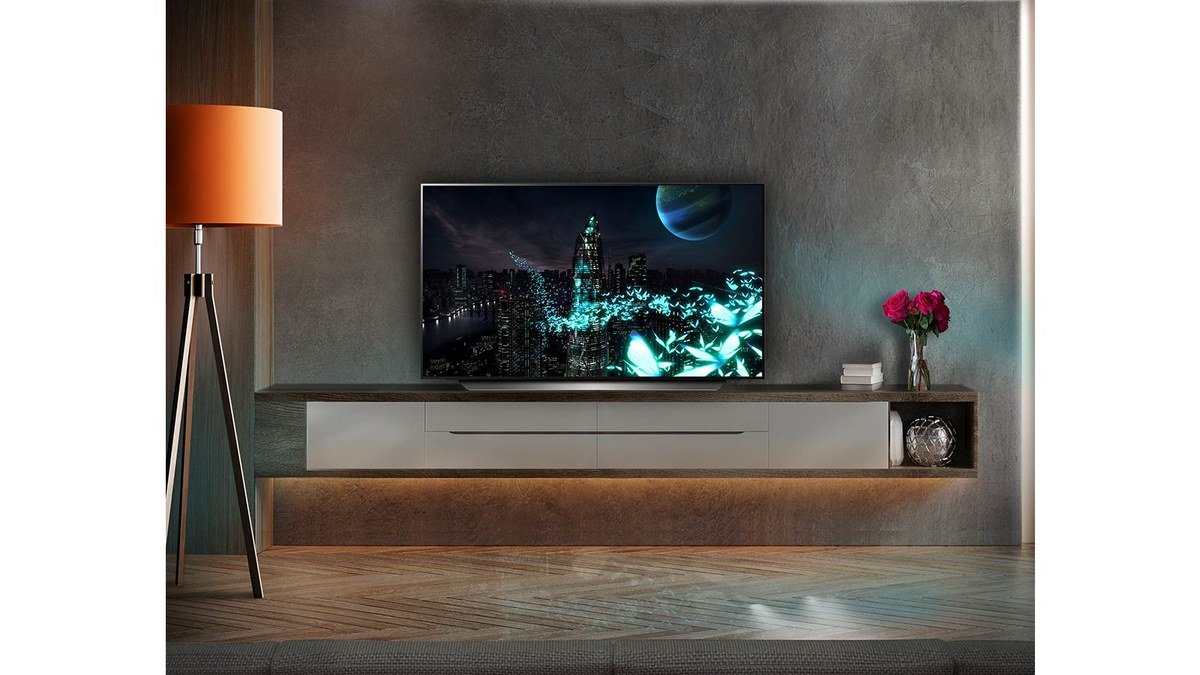
3. LG G6 65″ — Best flagship OLED
For the buyer who wants the absolute best LG makes, the G6 is it. The new tandem OLED panel — stacking two blue emitters with red and green — delivers up to 20% more brightness than last year’s G5 with visibly better color gradients, and LG finally fixed the banding issues that plagued earlier panels. The gallery design sits nearly flush against the wall, the Alpha 11 AI Processor Gen3 is LG’s fastest chip ever, and 165Hz gaming support matches Samsung’s best. At $3,399 for 65 inches it’s a serious luxury purchase, but this is the OLED that makes videophiles weak at the knees.
Specs: 65″ tandem OLED evo | 4K 165Hz | Dolby Vision, HDR10 | 4x HDMI 2.1 | webOS 2026
Pros: Brightest LG OLED ever; gallery design; reference-grade picture.
Cons: Very expensive; gains over the C6 are subtle for the price.
4. Sony Bravia 8 II 65″ — Best OLED for movies
Sony doesn’t win the spec sheet, but it wins the movie. The Bravia 8 II’s QD-OLED panel paired with Sony’s legendary processing delivers the most natural, cinematic image of any TV here — skin tones look right, motion is buttery without the soap-opera effect, and the Acoustic Surface Audio+ system turns the screen itself into a speaker for dialogue that tracks the action. It supports Dolby Vision, and Sony’s picture modes are the most accurate out of the box. At around $2,999 it’s priced against the flagships, and gamers should note the 120Hz cap — but for pure film lovers, this is the one.
Specs: 65″ QD-OLED | 4K 120Hz | Dolby Vision, HDR10 | 4x HDMI 2.1 | Google TV
Pros: Most cinematic picture; best built-in sound; Dolby Vision; accurate out of the box.
Cons: Expensive; 120Hz max for gaming; fewer gaming features than LG/Samsung.
5. LG B6 65″ — Best budget OLED TV
The LG B6 is the most important TV on this list for one reason: it puts true OLED under $1,400. At around $1,399 for 65 inches, you get perfect blacks, infinite contrast, 120Hz, four HDMI 2.1 ports, and Dolby Vision — the core OLED experience, minus the brightness-boosting tricks of the C6 and G6. In a light-controlled room for movie nights, the gap between this and TVs costing twice as much is shockingly small. If your budget tops out here, buy with confidence: this is still an OLED, and it will ruin every LCD you’ve ever owned.
Specs: 65″ OLED | 4K 120Hz | Dolby Vision, HDR10 | 4x HDMI 2.1 | webOS 2026
Pros: True OLED under $1,400; 120Hz and HDMI 2.1; Dolby Vision included.
Cons: Dimmer than premium OLEDs; struggles in bright rooms.
OLED TV Buying Guide: How to Choose in 2026
WOLED vs. QD-OLED. LG’s WOLED panels (C6, G6, B6) use a white subpixel for brightness and support Dolby Vision. Samsung and Sony’s QD-OLED panels (S95F, Bravia 8 II) use quantum dots for richer color and higher brightness but skip Dolby Vision. For most viewers it’s a wash — pick by price and features, not panel chemistry.
Brightness matters more than you think. All OLEDs look incredible in dark rooms. The differences show up with the lights on: the S95F’s glare-free QD-OLED and the G6’s tandem panel hold up far better in bright living rooms than the entry-level B6. Match the TV to your room’s light.
Don’t fear burn-in — mostly. Modern OLEDs have pixel refresh, logo dimming, and panel warranties (LG offers 5 years on the G6). For movies, sports, and varied streaming, burn-in is a non-issue. Only static-content marathoners (news tickers, single-game HUDs, 10 hours daily) should consider mini-LED instead.
Gaming features to demand. At minimum: 120Hz, HDMI 2.1, VRR, and ALLM — all five TVs here have them. Competitive PC gamers get 165Hz on the S95F and G6. And whatever you buy, budget for sound: even the Sony’s clever screen-speakers can’t replace a real soundbar.
Size up if you can. The jump from 55 to 65 inches transforms movie night more than any panel upgrade. The C6 and B6 both come in 77-inch versions that regularly go on sale — measure your wall before you decide.
Final Verdict
The Samsung S95F is the best OLED TV of 2026 on pure picture quality, but the LG C6 is the best OLED for most people — stunning picture, Dolby Vision, and a price that keeps falling. Film purists should audition the Sony Bravia 8 II, and budget buyers get the real OLED experience from the LG B6 at around $1,399. Whichever you choose, dim the lights and press play.
Samsung 65-Inch S95F OLED TV
As an Amazon Associate I earn from qualifying purchases.
Frequently Asked Questions
What is the best OLED TV in 2026?
The Samsung S95F 65″ is our top pick for picture quality thanks to its bright QD-OLED panel and glare-free screen. The LG C6 is the better value and our recommendation for most buyers at around $1,599.
Is OLED worth it over mini-LED?
For movie nights in dim rooms, absolutely — OLED’s perfect blacks and infinite contrast are visibly superior. For bright rooms or big screens on a budget, mini-LED is the smarter buy.
Do OLED TVs get burn-in?
Modern OLEDs are highly resistant to burn-in with normal varied viewing, and manufacturers include pixel-care features plus multi-year panel warranties. Only extreme static-content use (same news channel 10+ hours daily) is a real risk.
What size OLED TV should I buy?
65 inches is the sweet spot for most living rooms (7–10 feet viewing distance). Prices per inch drop fast on sale, so 77 inches is worth considering if your wall and budget allow.
Is the LG G6 worth it over the C6?
Only for enthusiasts. The G6’s tandem panel is brighter and the gallery design is gorgeous, but at $3,399 vs. around $1,599 for the C6, most viewers won’t see double the picture quality.
Which OLED is best for gaming?
The Samsung S95F and LG G6 lead with 165Hz support, but the LG C6’s 120Hz/165Hz-VRR, four HDMI 2.1 ports, and G-Sync/FreeSync make it the best gaming value. All five picks here are excellent for PS5 and Xbox.
The Bottom Line
2026 is the best year ever to buy an OLED: brighter panels, smarter prices, and a genuine budget option in the LG B6. Start with the LG C6 if you want our safest pick, stretch to the Samsung S95F for the ultimate picture, and don’t forget the finishing touches — a great soundbar and the right lighting turn a great TV into a great theater.
Affiliate Disclosure: This article contains affiliate links. If you purchase through them, we may earn a commission at no extra cost to you.
Where to Buy: Check Price on Amazon · Compare Prices on Daraz · Check Daraz Deals · Check AliExpress Price · See AliExpress Deals
Check the price on AliExpress — the global marketplace with millions of tech products.
As an AliExpress affiliate, we may earn a commission on qualifying purchases.