Best Drones for Beginners 2026: 5 Easy-to-Fly Picks
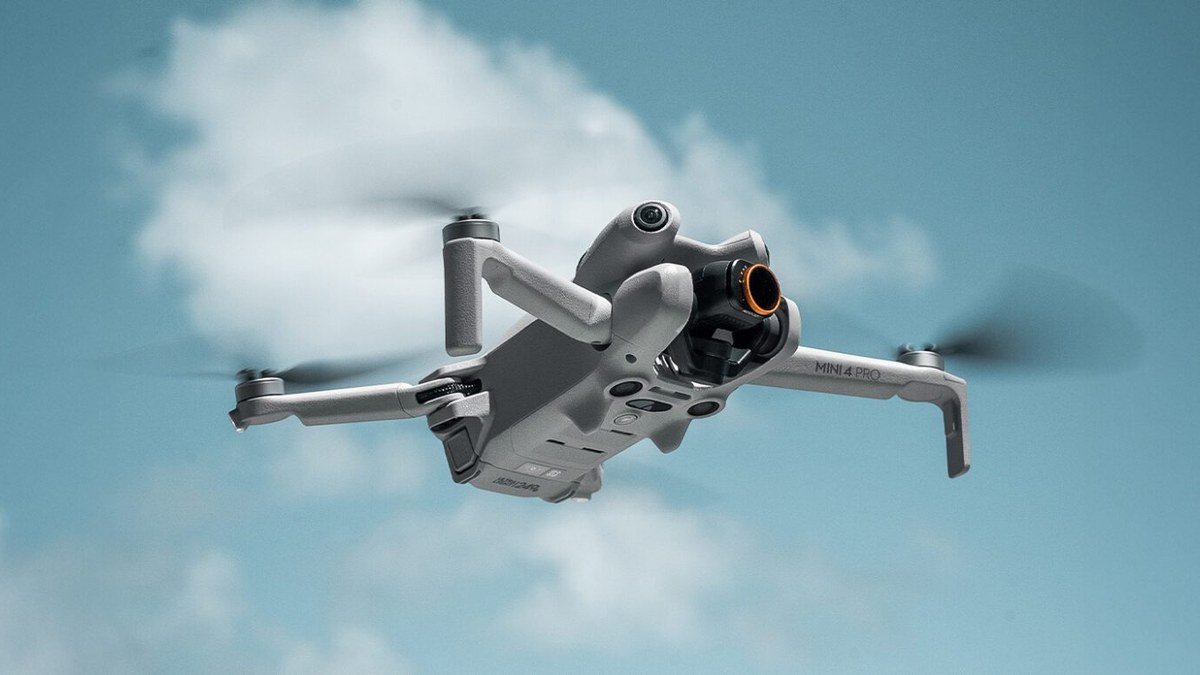
The best drones for beginners 2026 has to offer share three traits: they weigh under 250 grams (so the FAA doesn’t require registration for recreational flying), they practically fly themselves, and they won’t bankrupt you when — not if — you crash your first one. After comparing the current lineup’s cameras, flight times, and real street prices, these are the five beginner drones worth buying this year.
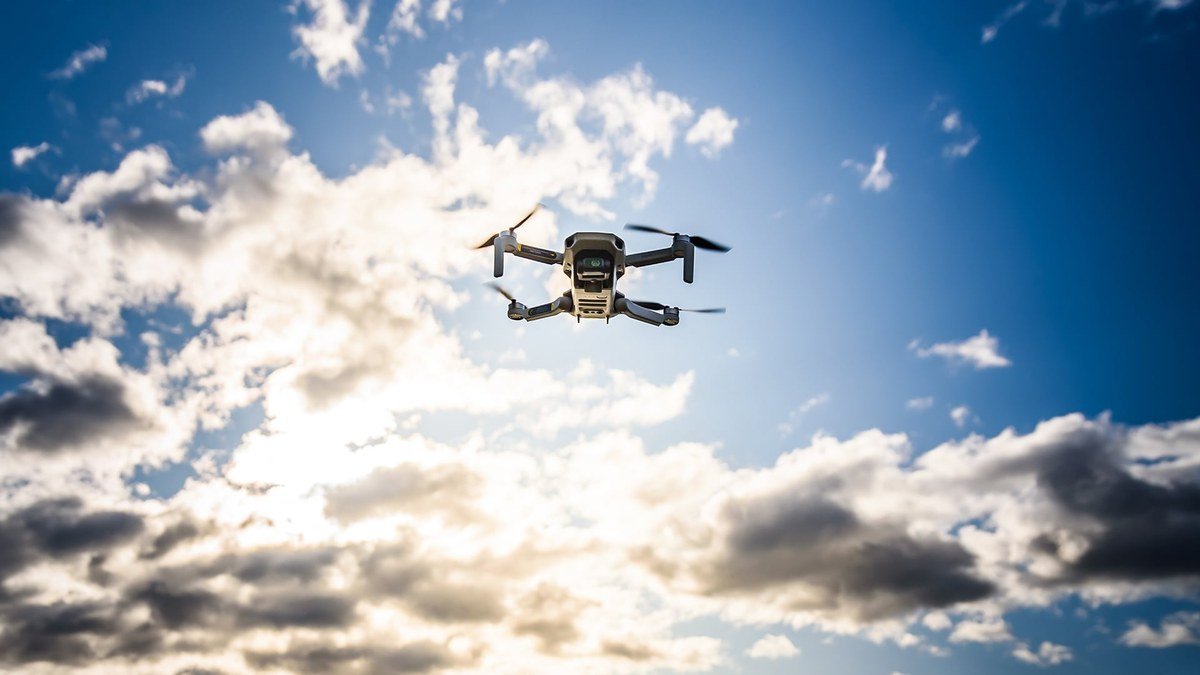
Best Drones for Beginners 2026 at a Glance
| Drone | Best For | Camera | Flight Time | Weight | Typical Price |
|---|---|---|---|---|---|
| DJI Neo | Easiest first drone | 4K/30fps | ~18 min | 135g | ~$199 |
| DJI Mini 4K | Best value with gimbal | 4K/30fps, 3-axis gimbal | ~31 min | Under 249g | ~$269–$299 |
| DJI Flip | Safest for new pilots | 4K, 1/1.3″ sensor | ~31 min | Under 249g | ~$439 |
| Potensic Atom 2 | Best non-DJI pick | 4K HDR, 3-axis gimbal | ~32 min | Under 249g | ~$250–$299 |
| Holy Stone HS440 | Cheapest starter drone | 1080p | ~20 min | Under 249g | ~$100 |
1. DJI Neo — The Best Drone for Beginners in 2026
The DJI Neo is the easiest recommendation in this entire guide. At 135 grams — barely half the FAA’s 250g registration threshold — it’s a beginner drone with camera that launches from your open palm, no controller required. Press a button, pick one of six AI-powered QuickShots (Follow, Dronie, Circle, Rocket, Spotlight, Helix), and it flies itself while filming you in 4K.
The specs are remarkable for ~$199: 4K/30fps video from a 12MP sensor with RockSteady software stabilization, AI subject tracking, full-coverage propeller guards for safe indoor flying, and 22GB of internal storage. It tops out around 18 minutes of flight time per battery and can reach 36 mph with an optional controller — though most beginners will never push it that far.
The trade-offs are real: there’s no obstacle avoidance, it’s louder than you’d expect, and 18 minutes goes fast. But as a first drone, nothing else removes this much friction. It regularly drops to $149–$159 during sales, at which point it’s a genuine no-brainer.
As an Amazon Associate I earn from qualifying purchases.
2. DJI Mini 4K — Best Value Beginner Drone
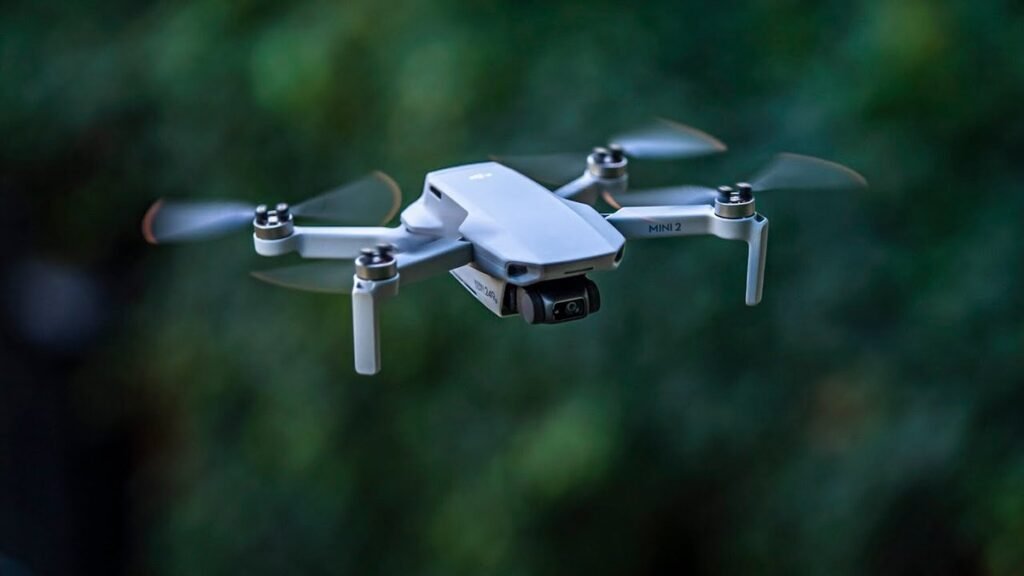
If you can stretch to ~$269, the DJI Mini 4K is the sweet spot of the best drones for beginners 2026 lineup. The big upgrade over the Neo is a true 3-axis mechanical gimbal, which delivers dramatically smoother footage than software stabilization alone. You also get 31 minutes of flight time, 10km HD video transmission, and Level 5 wind resistance — meaning it handles breezy days the Neo can’t.
It still weighs under 249g, so no FAA registration for recreational use. The catch: you’ll want the version with a controller (or buy one separately), since flying a camera drone from a phone screen gets old fast. Multiple 2026 roundups call the Mini 4K the best value drone under $500, and it’s easy to see why — this is the drone most beginners should actually learn on.
3. DJI Flip — Safest Drone for Nervous New Pilots
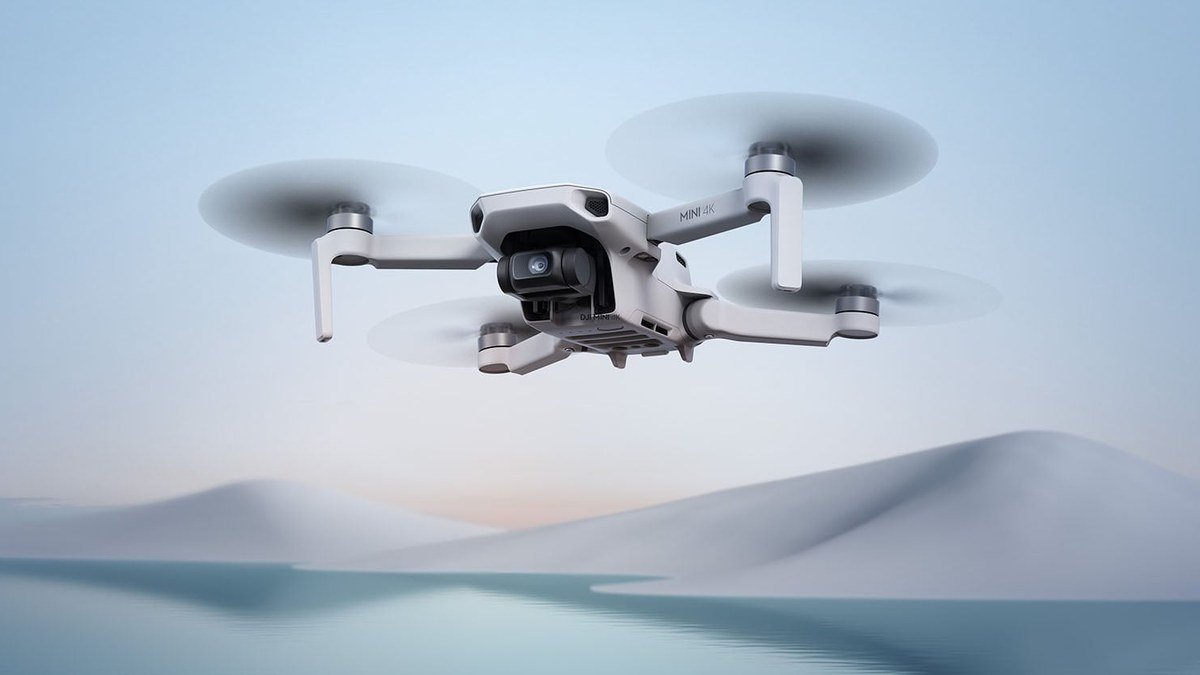
The DJI Flip (around $439) is what you buy when your biggest fear is crashing. It’s the only drone under $500 with forward-facing obstacle sensing, using 3D infrared sensors to brake before it hits things — which covers the most common beginner crash scenario. It also has built-in propeller guards, palm takeoff like the Neo, and a larger 1/1.3-inch camera sensor for better image quality.
Think of it as the bridge between the Neo’s simplicity and the Mini series’ capability. Vloggers love it for the same reasons beginners do: it’s forgiving, the footage looks great, and the prop guards mean you can fly it around people without anxiety.
4. Potensic Atom 2 — Best Non-DJI Beginner Drone
Not everyone wants to buy into the DJI ecosystem — and in 2026, with DJI’s US availability occasionally in flux, having an alternative matters. The Potensic Atom 2 (around $250–$299) is the strongest one: a 48MP camera shooting 4K HDR on a 3-axis gimbal, 32-minute flight time, 10km transmission range, AI tracking, and vertical shooting for social media.
On paper it out-specs the DJI Mini 4K in several areas for similar money. The trade-off is a less polished app experience and a smaller community for troubleshooting. But as a pure flying camera for beginners, it’s excellent value.
5. Holy Stone HS440 — Best Drone Under $100
At around $100, the Holy Stone HS440 exists for one purpose: letting you find out whether you actually enjoy flying drones before spending real money. You get 1080p video, about 20 minutes of flight time, altitude hold, headless mode, and one-key takeoff/landing — the training wheels every beginner needs.
The footage won’t impress anyone, and there’s no GPS, so don’t fly it far on a windy day. But as a crashable, giftable, “learn the sticks” drone, it’s perfect. If you love it, graduate to the DJI Neo or Mini 4K; if you don’t, you’re out a hundred bucks, not four hundred.
Beginner Drone Buying Guide: What Actually Matters
Weight: stay under 250g
In the US, drones under 250g don’t require FAA registration for recreational flying and are exempt from Remote ID requirements. Every drone on this list qualifies. It’s the single biggest reason to buy a mini drone as a beginner — no paperwork, no fees, just fly.
Camera: gimbal vs. software stabilization
A mechanical gimbal (Mini 4K, Atom 2, Flip) physically steadies the camera and produces visibly smoother video than electronic stabilization (Neo). If your goal is footage you’ll actually keep, prioritize the gimbal. If your goal is fun selfies-from-the-sky clips, the Neo’s software stabilization is fine.
Flight time and batteries
Advertised flight times assume perfect conditions; expect 70–80% in the real world. The Neo’s ~18 minutes feels short, which is why the Fly More-style bundles with extra batteries are worth it. A fast GaN charger helps too — topping up multiple drone batteries between flights is much less painful with 65W+ of power.
Obstacle avoidance: nice, not essential
Only the DJI Flip in this price range has real forward obstacle sensing. The Neo has none at all. For a first drone, propeller guards (Neo, Flip) matter more than sensors — they turn crashes into bounces. Learn in an open field, and you’ll be fine without avoidance.
Editing your footage
4K drone footage is only as good as your edit. If your current laptop chokes on video timelines, check our pick for the best laptop for most people in 2026 — a capable machine makes the difference between footage you post and footage that sits on a memory card forever.
As an Amazon Associate I earn from qualifying purchases.
Frequently Asked Questions
Do I need to register a beginner drone with the FAA?
Not if it weighs under 250 grams and you’re flying recreationally — which covers every drone on this list, including the 135g DJI Neo. You still must follow basic rules: fly below 400 feet, keep line of sight, and avoid restricted airspace. Commercial use requires a Part 107 license regardless of weight.
What is the best drone for beginners in 2026?
The DJI Neo at ~$199. It launches from your palm with no controller, films in 4K, weighs only 135g, and its AI flight modes mean you get great shots on day one. If you want smoother footage and longer flight time, step up to the DJI Mini 4K at ~$269.
How long do beginner drone batteries last?
Expect 15–25 minutes of real flight time per battery on beginner drones (manufacturers quote ideal conditions). The DJI Mini 4K and Potensic Atom 2 lead this group at around 31–32 minutes rated. Budget for at least one spare battery — or a multi-battery bundle.
Can I fly a drone in my neighborhood or a park?
Usually yes for sub-250g recreational drones, but check local rules — many parks, beaches, and all national parks restrict or ban drones. Use the FAA’s B4UFLY app to check airspace before you fly somewhere new.
Are cheap Amazon drones worth it?
The $50–$100 no-name drones are fine as disposable toys for kids, but their cameras and flight controllers are in a different universe from DJI, Potensic, or Holy Stone. The Holy Stone HS440 (~$100) is about as cheap as we’d go for something you’d actually want to fly more than twice.
Should I buy the DJI Neo or DJI Mini 4K?
Buy the Neo if you want the simplest possible experience — palm launches, self-flying shots, no controller needed. Buy the Mini 4K if you want better video quality (real gimbal), nearly double the flight time, and a drone you can grow into. Most beginners who get hooked end up owning both eventually.
Affiliate Disclosure: This article contains affiliate links. If you purchase through them, we may earn a commission at no extra cost to you.
Where to Buy: Check Price on Amazon · Compare Prices on Daraz · Check Daraz Deals · Check AliExpress Price · See AliExpress Deals
Check the price on AliExpress — the global marketplace with millions of tech products.
As an AliExpress affiliate, we may earn a commission on qualifying purchases.