Best 8K TVs of 2026: 5 Picks — and Whether They’re Worth It Yet
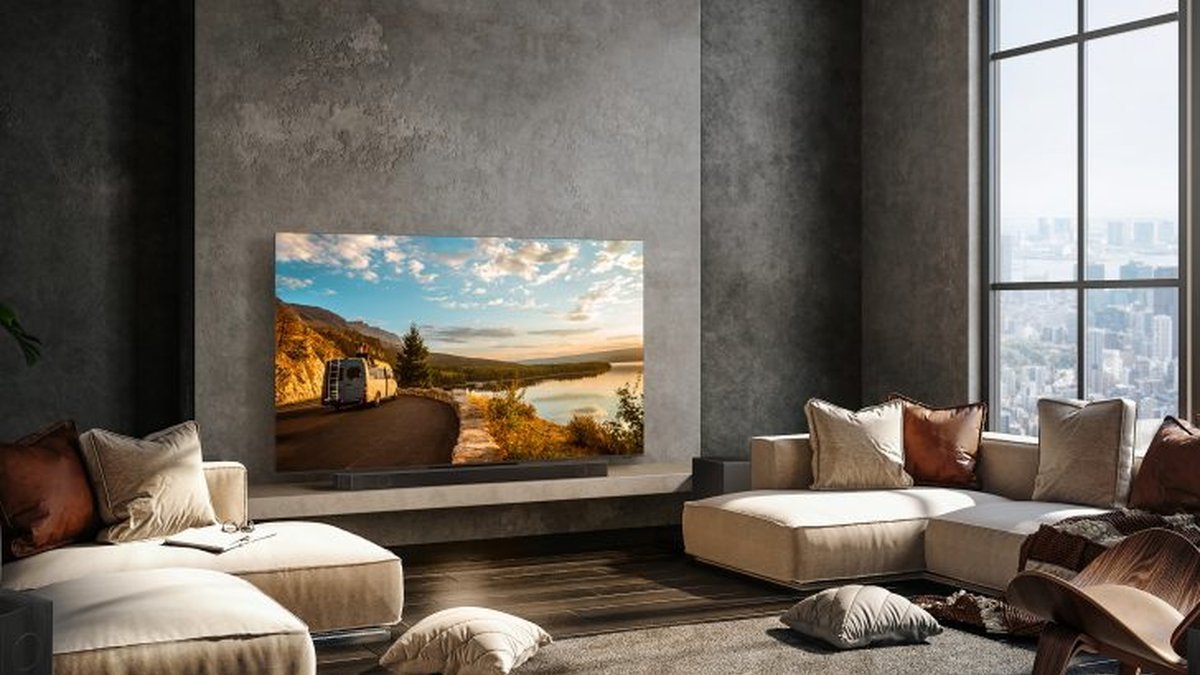
8K promises four times the pixels of 4K — 33 million of them — and TV makers have been selling that dream for years. But here’s the honest truth about the best 8K TVs of 2026: the market has quietly shrunk, native 8K content is still rare, and for most buyers a great 4K TV remains the smarter purchase. This guide is different from most 8K roundups, because we’ll tell you that upfront.
That said, 8K TVs do exist, some are excellent, and there are buyers for whom they make sense — very large screens, future-proofing enthusiasts, and anyone who wants the absolute flagship regardless of content. Below are the five notable 8K TVs worth knowing about in 2026, what each one is actually good for, and our straight answer on whether you should buy one or keep your money.
Disclosure: This article contains affiliate links. As an Amazon Associate, we earn from qualifying purchases. We may also earn commissions from Daraz and AliExpress purchases made through links on this page, at no extra cost to you.
8K explained: what you’re actually paying for
An 8K TV has a 7680×4320 panel — four times the resolution of 4K. On paper that sounds transformative. In practice, human vision can only resolve that extra detail on very large screens (75 inches and up) at normal viewing distances. On a 55-inch TV across the room, 8K and 4K are effectively indistinguishable.
The bigger problem is content. As of 2026, there’s still almost no native 8K content: no 8K Blu-ray format, minimal 8K streaming (a few demo clips and limited YouTube), and broadcast TV remains 720p/1080p in most markets. Everything you watch on an 8K TV is upscaled — so what you’re really buying is the manufacturer’s upscaling engine and panel quality. Which, to be fair, are flagship-grade on 8K models.
Then there’s the price reality. 8K TVs command a large premium over equivalent 4K models, and that money buys a dramatically better 4K TV instead — brighter, with better processing and often a larger screen. Unless you specifically want 8K, the value math favors 4K every time.
Buying guide: 4 honest considerations
1. Screen size: 8K only makes sense big
Don’t buy an 8K TV under 75 inches — you physically can’t see the difference. 8K’s resolution advantage shows up on 75-, 85-, and 98-inch screens viewed from 8–12 feet. If your room fits a 65-inch TV, buy the best 4K OLED you can afford instead. It’ll look better than any 8K set at that size.
2. Upscaling quality matters more than the panel
Since nearly everything is upscaled, the processor is the real product. Samsung’s and LG’s flagship 8K models use their best AI upscaling engines, and the gap between good and mediocre upscaling is visible in fine detail and noise handling. This is the main legitimate reason to buy an 8K TV: you get the company’s best processing, attached to an 8K panel you may never fully use.
3. Check HDMI 2.1 and gaming features anyway
Flagship 8K TVs generally include full HDMI 2.1 bandwidth, 120Hz+ refresh rates, VRR, and ALLM — but verify, because some 8K models skimp on gaming features relative to their price. Gamers should compare against the best gaming displays before committing flagship money.
4. Consider the 4K alternative seriously
Before buying any 8K TV, price out the flagship 4K alternative from the same brand. In almost every case you get a bigger screen, equal or better brightness, and money left over for a sound system — which improves movie night more than extra pixels ever will. Buy 8K because you want the flagship and understand the tradeoff, not because a salesperson told you it’s “the future.”
The 5 best 8K TVs of 2026
1. Samsung QN900D — Best 8K TV overall
Samsung remains the most committed 8K manufacturer, and the QN900D is its flagship: a Neo QLED 8K panel with Mini LED backlighting, Samsung’s best NQ8 AI processor, and an anti-glare matte screen that’s genuinely impressive in bright rooms. Upscaling is best-in-class, gaming features are complete (up to 165Hz with motion tech), and the Infinity Air design is stunning. It’s expensive — flagship 85-inch pricing — but if you’re buying 8K, this is the reference. Around $5,000+ depending on size.
Pros:
- The best 8K upscaling in the business
- Excellent anti-glare screen for bright rooms
- Full gaming feature set
- Beautiful slim design
Cons:
- Very expensive for the visible benefit over 4K
- No Dolby Vision (Samsung standard)
Best for: buyers who want the flagship Samsung regardless of the 8K content situation.
2. Samsung QN800D — Best value 8K TV
The QN800D is the step-down Samsung 8K: same 8K Neo QLED concept and strong NQ8 processing, with slightly less brightness and a less premium design than the QN900D. For buyers set on 8K, it delivers most of the flagship experience — excellent upscaling, good gaming specs, solid smart platform — at a meaningfully lower price. The honest caveat applies double here: compare it against Samsung’s flagship 4K models at the same money before you commit.
Pros:
- Near-flagship 8K processing for less money
- Good brightness and gaming features
- More sizes available than the flagship
- Strong smart TV platform
Cons:
- Still a big premium over excellent 4K TVs
- No Dolby Vision
Best for: 8K-curious buyers who want the technology without the ultimate flagship price.
3. LG Z3 OLED evo 8K — Best 8K OLED TV
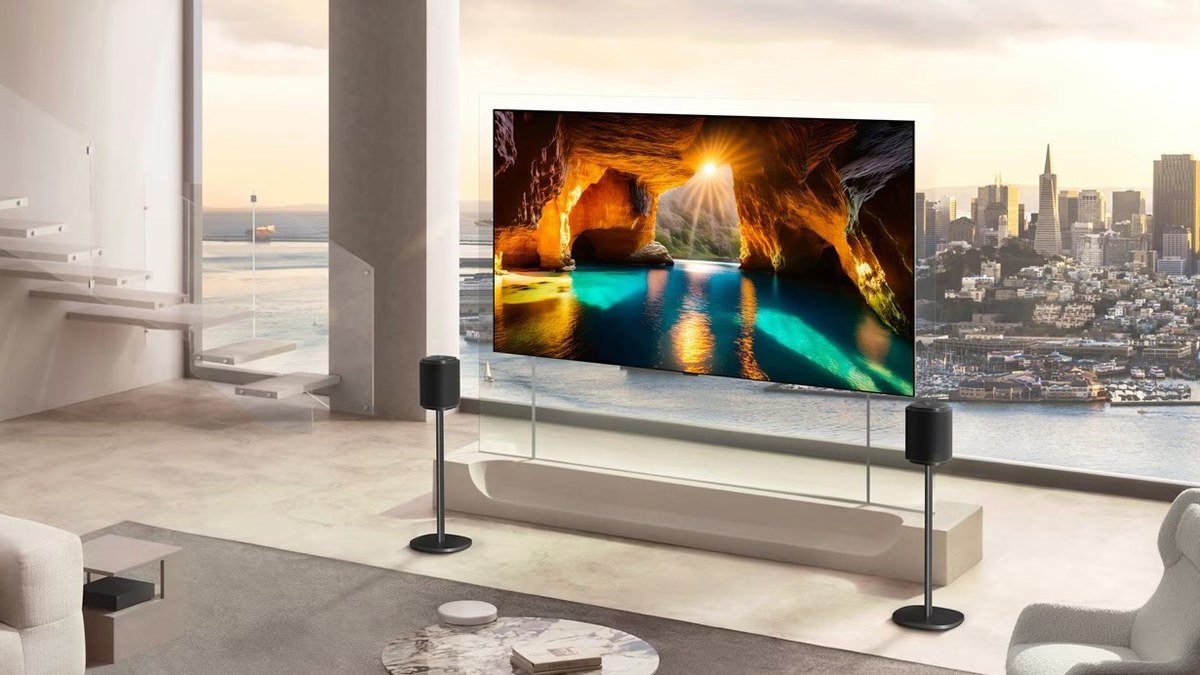
The Z3 is the only 8K OLED on this list, and it’s a halo product: perfect OLED blacks at 8K resolution, in 77- and 88-inch sizes, with LG’s best processing and Dolby Vision support. It’s also extraordinarily expensive and produced in limited quantities — a statement piece for home theaters where money is secondary. Picture quality is reference-grade, full stop. But at these prices, most buyers should know that LG’s 4K G-series OLEDs deliver 95% of the visual experience for a fraction of the cost.
Pros:
- Perfect blacks plus 8K resolution — unmatched contrast
- Dolby Vision support
- Reference-grade picture quality
- Stunning gallery design
Cons:
- Extremely expensive, and hard to find
- 77-inch minimum — it needs a big room
Best for: no-compromise home theaters where budget isn’t the deciding factor.
4. Sony Z9K — Best 8K TV for processing purists
Sony’s Z9K is an older flagship that stays notable for one reason: Sony’s processing — particularly motion handling and upscaling naturalness — is widely considered the best in the business. This Mini LED 8K set delivers a beautifully natural image, accurate color, and excellent build quality. Availability is limited as Sony has de-emphasized 8K, so treat this as an “if you find a good deal” pick rather than a current lineup leader. When discounted, it can be the thinking buyer’s 8K.
Pros:
- Superb, natural image processing
- Excellent motion handling
- Dolby Vision support
- Can be found at discounts
Cons:
- Aging model with limited availability
- Expensive when not discounted
Best for: picture purists who value processing over spec sheets.
5. Hisense U800GR — Best budget path to 8K
The U800GR was Hisense’s 8K Roku TV — far cheaper than the flagships above, and proof that 8K doesn’t have to cost five figures. Processing and brightness are a clear step down from Samsung and Sony, but you get a real 8K panel with a simple, beloved Roku interface. Our honest take: this pick exists to show the price floor, not to recommend it over a good 4K TV at the same money. If your heart is set on 8K on a budget, it’s the cheapest legitimate way in.
Pros:
- By far the cheapest way to get an 8K panel
- Simple Roku smart platform
- Fine for bright-room casual viewing
- Often heavily discounted
Cons:
- Processing and contrast trail the flagships badly
- A good 4K TV at this price looks better
Best for: buyers who want the 8K badge at the lowest possible price.
8K TVs compared, side by side
| TV | Panel | Sizes | Price |
|---|---|---|---|
| Samsung QN900D | Neo QLED 8K | 65–85″ | around $5,000+ |
| Samsung QN800D | Neo QLED 8K | 65–85″ | around $3,500+ |
| LG Z3 OLED evo 8K | OLED 8K | 77″, 88″ | around $10,000+ |
| Sony Z9K | Mini LED 8K | 75″, 85″ | varies (discounts) |
| Hisense U800GR | ULED 8K | 65″, 75″ | around $1,500 |
8K TV FAQs
Are 8K TVs worth it in 2026?
For most buyers, no. There’s very little native 8K content, the resolution benefit only shows on very large screens, and the price premium buys a dramatically better 4K TV instead. 8K makes sense for 75-inch-plus screens, flagship chasers, and future-proofers who understand exactly what they’re paying for.
Is there any 8K content to watch?
Very little. There’s no 8K Blu-ray format, streaming services offer only demo clips and limited 8K uploads, and broadcast remains HD. Nearly everything you watch on an 8K TV will be upscaled 4K or HD — which is why the TV’s upscaling processor matters more than the panel resolution.
Should I buy an 8K TV or a bigger 4K TV?
Buy the bigger 4K TV. Screen size affects your viewing experience far more than resolution beyond 4K, and a flagship 4K OLED or Mini LED at 85 inches will look better — and cost less — than an 8K set at 75 inches. Size first, then panel quality, then resolution.
Will 8K become standard soon?
Not soon. The industry’s 8K push has actually slowed: several manufacturers have thinned their 8K lineups, and content pipelines show no sign of an 8K transition. 4K will remain the practical standard for years. Buying 8K as “future-proofing” is speculative at best.
What is the best 8K TV for gaming?
The Samsung QN900D, with full HDMI 2.1 bandwidth, high refresh support, and VRR. That said, serious gamers get more for their money from a flagship 4K OLED with 120Hz+ — check our gaming display guide before spending 8K money on a gaming setup.

The verdict
Here’s our honest verdict: most people should not buy an 8K TV in 2026. A flagship 4K OLED or Mini LED — bigger, brighter, cheaper — is the better purchase for nearly every living room. But if you’ve read all of that and still want 8K, the Samsung QN900D is the best 8K TV overall, the QN800D is the value play, the LG Z3 is the no-compromise OLED halo, the Sony Z9K rewards processing purists on discount, and the Hisense U800GR is the budget entry. Just go in with open eyes.
Still deciding? Our smart lights guide shows how bias lighting improves any big TV more than extra pixels do. And if you’re comparing prices, check listings on Daraz and AliExpress alongside Amazon.
Where to Buy: Compare Prices on Daraz · Check AliExpress Price
Check the price on AliExpress — the global marketplace with millions of tech products.
As an AliExpress affiliate, we may earn a commission on qualifying purchases.