Best Bluetooth Tracker 2026: AirTag 2 vs Tile vs Chipolo
Losing your keys, wallet, or luggage is miserable — but the best Bluetooth tracker in 2026 can end the panic for about $30. Apple’s second-generation AirTag launched in January 2026 with a louder speaker and longer-range Precision Finding, while Tile and Chipolo have answered with louder alarms, cross-platform support, and dual-network flexibility.
But here’s the thing most roundups won’t tell you: the best tracker isn’t about specs — it’s about which finding network has the most phones around you. This guide compares the Apple AirTag 2, Tile Pro, and Chipolo POP on the things that actually determine whether you get your stuff back.
Best Bluetooth Trackers 2026: Quick Comparison
| Tracker | Price | Finding network | Battery | Standout feature |
|---|---|---|---|---|
| Apple AirTag (2nd gen) | $29 / $99 4-pack | Apple Find My (1B+ devices) | CR2032, 1+ year (replaceable) | Precision Finding with UWB, Apple Watch support |
| Tile Pro | $34.99 | Tile/Life360 network | ~1 year (replaceable) | 400-ft Bluetooth range, works on iOS + Android |
| Chipolo POP | $29 / $89 4-pack | Apple Find My or Google Find Hub | CR2032, ~1 year (replaceable) | 120dB speaker, built-in keyring, colorful |
| Pebblebee Clip 5 | $34.99 | Apple Find My or Google Find Hub | Rechargeable, up to 12 months | No coin cells, 500-ft range |
| Samsung Galaxy SmartTag2 | $29.99 | SmartThings Find | Up to 500 days (700 in power-save) | Best for Galaxy owners |
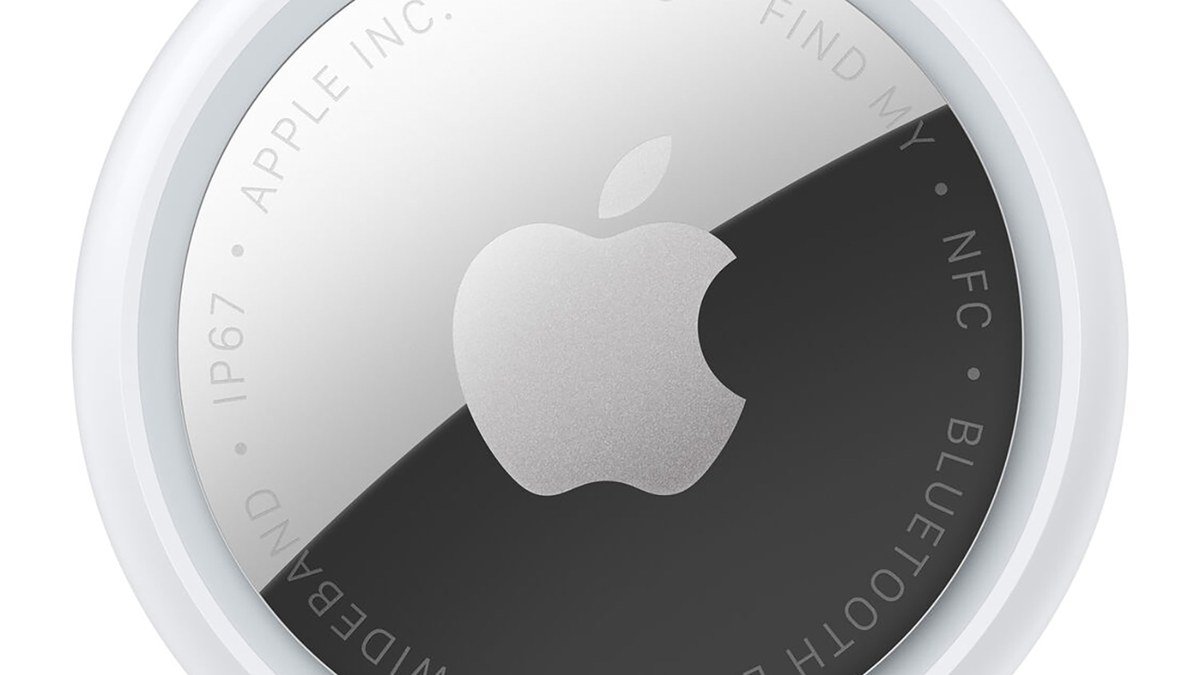
Best for iPhone users: The Apple AirTag 2 is the benchmark — louder speaker, up to 1.5x the Precision Finding range, and the biggest finding network on earth, all for $29.
As an Amazon Associate I earn from qualifying purchases.
Apple AirTag 2: Still the One to Beat
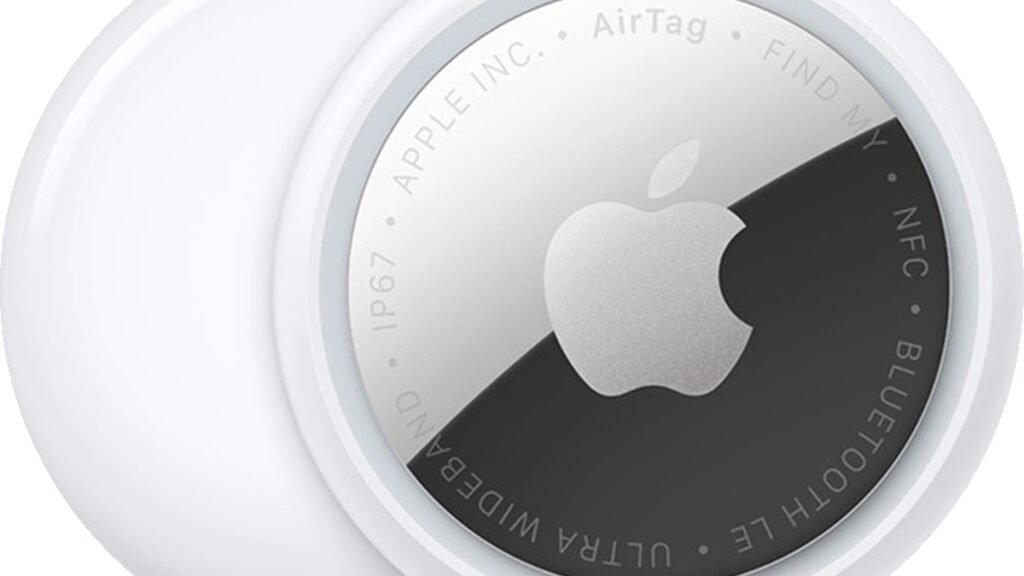
The second-generation AirTag (released January 2026) keeps the $29 price while fixing the original’s two biggest weaknesses. The speaker is 50% louder with a new distinctive chime, and upgraded Ultra Wideband and Bluetooth chips deliver up to 1.5x the Precision Finding range — so your iPhone can guide you to your keys from farther away. Precision Finding now works on Apple Watch too (Series 9 and later), which is genuinely useful when your phone is the thing that’s lost.
The killer feature remains the network: over a billion Apple devices in the Find My network means a lost bag in almost any US city, airport, or suburb gets located fast. You can also share an item’s location with trusted contacts or 50+ airline partners for lost-luggage recovery. Battery life is rated at more than a year on a replaceable CR2032, it’s IP67 dust- and water-resistant, and there’s no subscription — ever.
The downsides: it only works with Apple devices (no Android support), and there’s still no built-in keyring hole, so you’ll need a holder or keychain accessory.
Tile Pro: Best for Android Users and Life360 Families
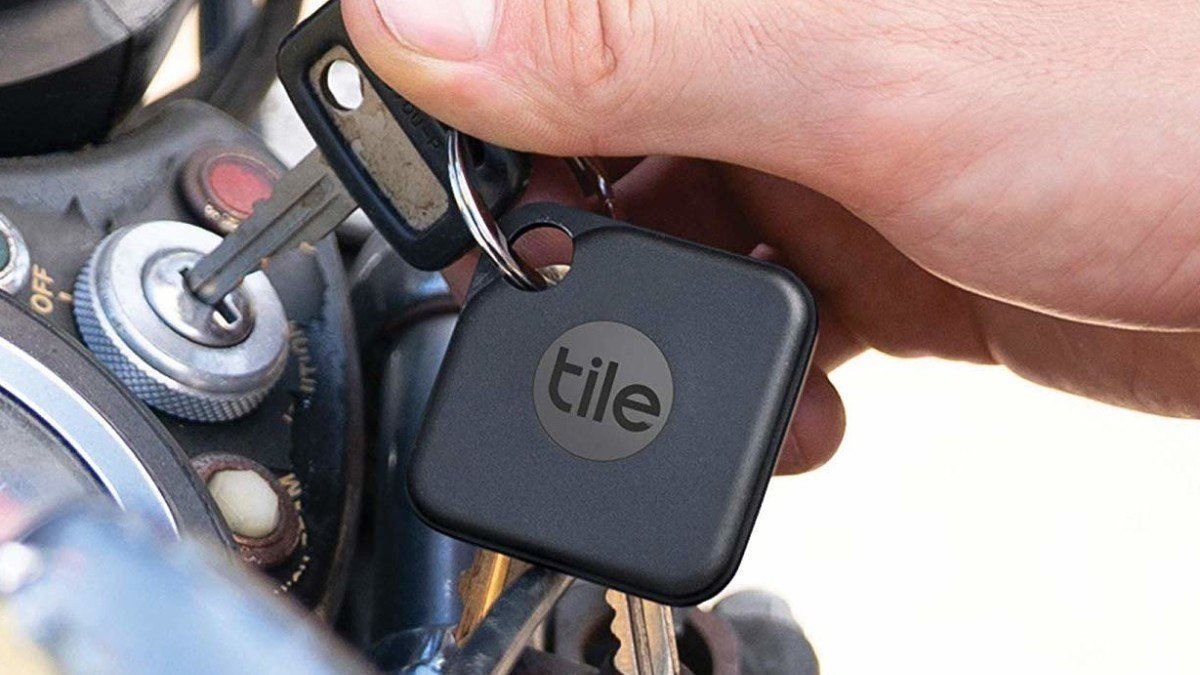
The Tile Pro ($34.99) is the best Bluetooth tracker for Android users and anyone in the Life360 ecosystem. Its headline spec is a 400-foot Bluetooth range — the longest in this comparison — and it works natively on both iOS and Android. The battery is replaceable (about a year), and there’s a built-in keyring hole.
The trade-off is the network: Tile’s crowd-locating network is far smaller than Apple’s Find My or Google’s Find Hub, so a Tile lost far from home is harder to recover. Also note that some Tile features, like 30-day location history and Smart Alerts, sit behind Tile Premium/Life360 subscriptions — basic ringing and finding are free, but power features cost extra.
Chipolo POP: Best Value and Most Flexible
The Chipolo POP is the clever pick at $29. At setup, you choose either Apple Find My or Google Find My Device (now Google Find Hub) — one network per tracker, but you can mix and match across a 4-pack. That makes it the only tracker here that can serve both iPhone and Android households from a single product line.
It’s also the loudest: a 120dB speaker that you’ll hear from the next room, IP55 water resistance, a replaceable CR2032 rated for about a year, and a colorful design with a built-in keyring loop — no $30 accessory required like the AirTag. For the price, it’s the best Bluetooth tracker for anyone who wants flexibility without compromise.
Also Worth Considering
Pebblebee Clip 5 ($34.99) — Best rechargeable
The Clip 5 works with Apple Find My or Google Find Hub, rates its rechargeable battery at up to 12 months, and claims up to 500 feet of Bluetooth range. If you’re tired of buying CR2032 coin cells every year, this is your tracker.
Samsung Galaxy SmartTag2 ($29.99) — Best for Galaxy owners
Deeply integrated with Samsung’s SmartThings Find network, with Compass View AR finding and up to 700 days of battery in power-saving mode. Only makes sense if you carry a Galaxy phone.
How to Choose the Best Bluetooth Tracker
- Match the network to your phone. iPhone → AirTag 2 or Chipolo POP (Find My mode). Android → Chipolo POP (Find Hub mode) or Tile Pro. Samsung → SmartTag2.
- Think about where you travel. Apple’s Find My dominates in the US, UK, and Western Europe. Google’s Find Hub wins in Android-heavy regions like India and Southeast Asia.
- Consider the total cost. A $29 AirTag plus a $15–$30 keychain holder costs more than a $29 Chipolo POP with a built-in loop. Tile’s subscriptions add up if you want premium features.
- These are Bluetooth item finders, not GPS trackers. They locate items via nearby phones, not satellites. For live GPS tracking of a car or a pet, you need a different product category entirely.
- Anti-stalking protection matters. Apple and Google’s joint “Detecting Unwanted Location Trackers” standard means unknown AirTags, Chipolos, and other compliant trackers trigger alerts on both iPhones and Android phones.
Outfit your everyday carry while you’re at it: a compact power bank keeps your phone alive long enough to actually find your stuff, and our Galaxy Watch 8 review covers a smartwatch that pairs perfectly with Samsung’s tracker. iPhone users should also check the best wireless earbuds of 2026 — another thing worth putting a tracker on.
Best Bluetooth Tracker for Travel and Luggage
Frequent flyers have different priorities: network density at airports, airline integration, and battery life. The best Bluetooth tracker for luggage in 2026 is the AirTag 2, and it’s not close for US travelers. Apple’s Share Item Location feature is now accepted by 50+ airlines, meaning when your bag goes missing, you can securely share its live location with the airline’s baggage team instead of describing your suitcase for the tenth time.
The Find My network’s density in airports — thousands of iPhones in every terminal — means a lost bag’s location updates every few minutes. Chipolo POP in Find Hub mode is the smarter choice for travel in Android-dominant regions like India and Southeast Asia, where Google’s network has the edge. Either way, slip the tracker inside a zippered pocket rather than hanging it outside where it can be torn off.
One travel tip: put your phone number in the tracker’s lost-mode message. An AirTag’s NFC tap lets any smartphone — iPhone or Android — display your contact info to whoever finds your bag. That human element recovers more luggage than any radio technology.
AirTag 2 vs Chipolo POP: The Key Differences That Matter
These are the two trackers most buyers actually choose between, so here’s the deciding breakdown. Precision Finding: AirTag 2 wins — its upgraded UWB chip and Apple Watch support give you turn-by-turn directions to your item from farther away; the POP has no UWB and relies on sound + map. Loudness: POP wins — its 120dB speaker is dramatically louder than even the improved AirTag 2 speaker, which matters when your keys are buried in couch cushions.
Network flexibility: POP wins — choose Apple Find My or Google Find Hub at setup, and mix networks across a 4-pack for mixed-device households. AirTag 2 is Apple-only, full stop. Water resistance: AirTag 2 wins — IP67 (survives submersion) versus the POP’s IP55 (rain and sweat only). Total cost: POP wins — $29 gets you tracking and the keyring; the AirTag 2 needs a $15–$35 holder to do the same job.
For iPhone-only households that want the best possible finding experience, get the AirTag 2. For everyone else — Android users, mixed households, budget buyers, and people who just want the loudest alarm — the Chipolo POP is the smarter $29.
As an Amazon Associate I earn from qualifying purchases.
Frequently Asked Questions
Is the AirTag 2 worth upgrading from the original AirTag?
If you lose things often, yes. The 50% louder speaker, 1.5x Precision Finding range, Apple Watch support, and airline luggage-sharing features are meaningful upgrades — and at $29, it’s the same price as the original. Casual users with a working first-gen AirTag can skip it.
Do Bluetooth trackers require a subscription?
AirTag 2, Chipolo POP, Pebblebee, and SmartTag2 require no subscription — all finding features are free for life. Tile’s basic finding is free, but premium features like 30-day location history and Smart Alerts require Tile Premium or a Life360 plan.
Can I use an AirTag with an Android phone?
Not fully. Android phones can detect an unknown AirTag moving with you (anti-stalking alerts) and NFC-tap a lost AirTag to see its owner’s message, but you can’t set up or track an AirTag from Android. Android users should get the Chipolo POP in Find Hub mode or a Tile instead.
How accurate is Precision Finding?
On iPhone 15 and later (and Apple Watch Series 9+), Precision Finding uses Ultra Wideband to guide you to within inches of your AirTag 2 with on-screen directions and distance. It works over roughly 30–50 feet indoors; beyond that, the Find My network shows the general map location.
What’s the difference between Chipolo POP and Chipolo ONE?
The POP is Chipolo’s 2025+ flagship: it works with Apple Find My or Google Find Hub (your choice at setup), has a louder 120dB speaker, and comes in colors with a built-in keyring loop. The older ONE Spot/ONE Point models were locked to a single network each.
Are Bluetooth trackers safe from stalkers?
Apple, Google, Chipolo, Pebblebee, and others support the industry “Detecting Unwanted Location Trackers” standard: if an unknown tracker travels with you, your iPhone or Android phone alerts you and can make it play a sound. Tile notably did not commit to the standard at launch — one more reason to prefer the alternatives.
Affiliate Disclosure: This article contains affiliate links. If you purchase through them, we may earn a commission at no extra cost to you.
Where to Buy: Compare Prices on Daraz · Check Daraz Deals · Check AliExpress Price · See AliExpress Deals
Check the price on AliExpress — the global marketplace with millions of tech products.
As an AliExpress affiliate, we may earn a commission on qualifying purchases.