
Best Fitness Trackers of 2026: 5 Picks for Health Without the Bulk

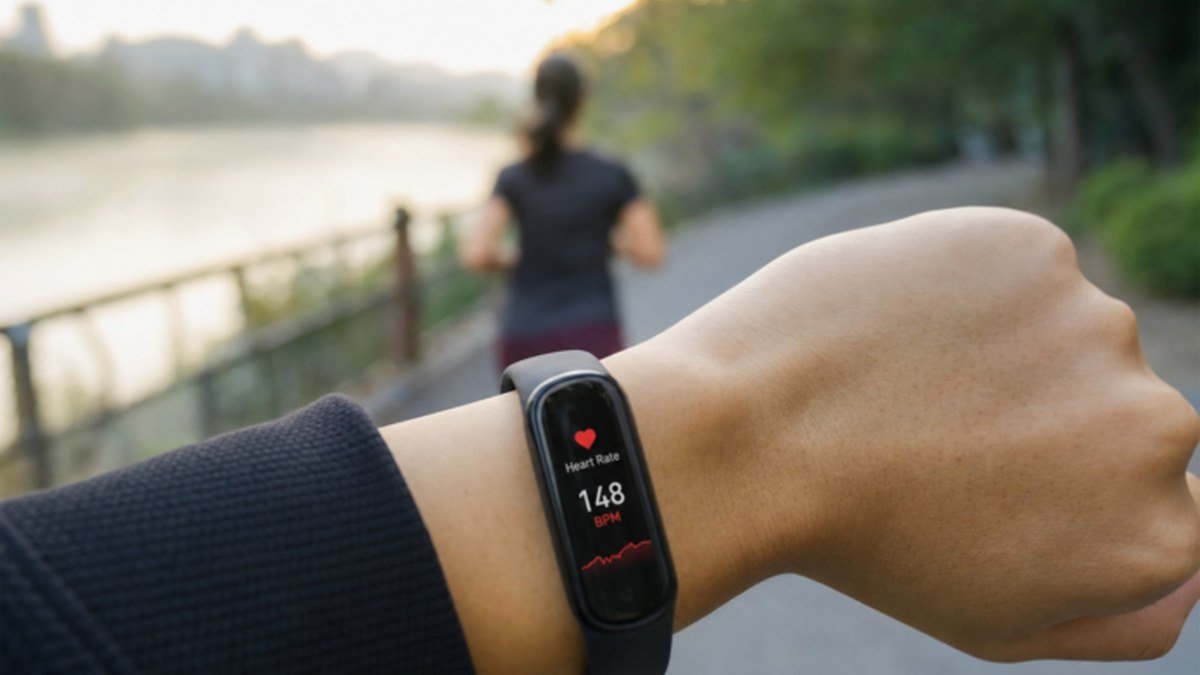
Not everyone wants a computer on their wrist. Smartwatches are great, but they’re bulky, need charging every day or two, and buzz with distractions. The best fitness trackers of 2026 take the opposite approach: slim, light, comfortable enough to wear 24/7, and focused on the metrics that actually matter — activity, heart rate, sleep, and recovery. Battery life is measured in days or weeks, not hours. From simple step-counting bands to a screenless coach that tells you when to train and when to rest, these five picks cover every style of health tracking.
Disclosure: This article contains affiliate links. As an Amazon Associate, we earn from qualifying purchases. We may also earn commissions from Daraz and AliExpress purchases made through links on this page, at no extra cost to you.
Fitness Tracker vs. Smartwatch: What’s the Difference?
Think of it this way: a fitness tracker is a specialist, a smartwatch a generalist. Trackers are smaller and lighter — most weigh under 30 grams — and they trade the app store, cellular, and on-wrist calls for longer battery life and lower prices. A good tracker runs 5 to 14 days per charge; most smartwatches need a charger every one to two days. That gap matters most for sleep tracking: a tracker you never take off captures every night, while a smartwatch often ends up on the charger at bedtime.
Trackers cost less to own, too — most bands here run $50 to $160 with no subscription for core features, though Whoop flips the model with a membership that includes the hardware. The trade-off is capability: no third-party apps, limited on-device music, smaller screens (or none at all). Want notifications, payments, and apps on your wrist? Buy a smartwatch. Want health data with minimal fuss? A tracker is the better tool.
How to Choose a Fitness Tracker
1. Decide how much screen you want
Trackers come in three flavors: full small displays (Fitbit Charge 6, Xiaomi Smart Band 10), tiny minimal displays (Garmin Vivosmart 5), and no display at all (Whoop, Fitbit Air). A screen is handy for mid-workout stats and seeing who’s calling. Screenless designs sleep better and distract less. No wrong answer here — just be honest about whether you’d miss the screen.
2. Check the subscription situation
Most trackers work fully without a subscription. Fitbit keeps some advanced insights behind Fitbit Premium, but core tracking is free. Whoop is the exception: the hardware comes with a yearly membership (around $199/year for the entry tier), and the band stops working without one. Do the math on the ongoing cost — a $199/year membership costs more than most bands within two years.
3. Prioritize sleep tracking comfort
The best health insights come from 24/7 wear, which means the tracker has to be comfortable all night. Slim, light bands win here — bulky watches annoy side-sleepers. Also check battery life: anything under 5 days means you’ll be charging during the hours you should be tracking sleep. For dedicated sleep analysis, our budget smartwatch picks pull double duty as great sleep trackers thanks to their long batteries.
4. Make sure it plays nice with your apps
A tracker is only as useful as the data it shares. Check compatibility with Apple Health, Google Health Connect, and Strava before buying — most big-name trackers sync with all three, but some budget brands are patchy. Already invested in an ecosystem (Garmin Connect, Fitbit, Whoop)? Staying inside it keeps your history in one place.
The 5 Best Fitness Trackers of 2026
1. Fitbit Charge 6 — Best fitness tracker overall
The Charge 6 remains the safest recommendation in fitness tracking: a slim band with a color display, built-in GPS, heart-rate and SpO2 sensors, ECG, and Google’s health platform behind it. Around $159 buys accurate everyday tracking, solid sleep analysis, and a mature app with years of refinement. It syncs with Google Health Connect, handles notifications, even controls YouTube Music. Not the most exciting tracker here — but the one we’d recommend to the most people.
Pros:
- Well-rounded tracking with built-in GPS
- Mature, reliable Fitbit app
- Good sleep and heart-rate accuracy
Cons:
- Some advanced insights need Fitbit Premium
- Design is functional rather than stylish
Best for: Most people who want a dependable all-round tracker.
2. Xiaomi Smart Band 10 — Best value tracker
At around $49, the Smart Band 10 delivers an absurd amount of tracker for the money: bright AMOLED display, heart-rate and SpO2 monitoring, 150+ sport modes, 5ATM water resistance, and roughly two weeks of battery. The companion app is decent, sleep tracking is solid, and it does 90% of what trackers costing three times more do. Heart-rate accuracy isn’t quite Fitbit-level during hard workouts, but for everyday fitness and sleep it’s remarkably good. This is the default answer for anyone just starting out.
Pros:
- Incredible value at around $49
- AMOLED display and two-week battery
- Comprehensive sport and health tracking
Cons:
- No built-in GPS — uses your phone’s
- Heart-rate accuracy dips during intense exercise
Best for: Beginners and budget buyers who want maximum tracker per dollar.
3. Whoop 5.0 — Best for recovery and training insight
Whoop isn’t a gadget — it’s a coaching service you wear. The screenless band tracks strain, recovery, and sleep around the clock, then tells you how hard to push each day. The 5.0 hardware runs 14+ days per charge and is comfortable enough for nonstop wear, shower and bed included. The catch is the business model: hardware comes with a membership starting around $199/year, and without one the band is a paperweight. For athletes who train by data and want the deepest recovery analytics going, it’s worth it. For casual step-counters, it’s overkill.
Pros:
- Best-in-class recovery and strain coaching
- 14+ day battery; comfortable 24/7 wear
- No screen means zero distractions
Cons:
- Requires an ongoing membership (~$199/year and up)
- No display, no GPS, no smartwatch features
Best for: Serious athletes who train by recovery data.
4. Garmin Vivosmart 5 — Best for Garmin ecosystem users
The Vivosmart 5 is the tracker for people already living in Garmin Connect. Around $149 gets you a slim band with a small OLED display, heart-rate and SpO2 tracking, Body Battery energy monitoring, and sleep scoring that feeds the same platform as Garmin’s running watches. Own a Garmin watch for workouts? The Vivosmart 5 makes an excellent 24/7 companion — light enough to sleep in, all your data in one place. As a standalone tracker it’s fine but unremarkable; its real value is as part of the Garmin family.
Pros:
- Deep integration with Garmin Connect
- Body Battery and solid sleep tracking
- Slim and comfortable for all-night wear
Cons:
- Tiny display limits usefulness
- Weak value outside the Garmin ecosystem
Best for: Garmin watch owners who want a slim 24/7 companion band.
5. Fitbit Air — Best screenless tracker
New for 2026, the Fitbit Air takes the Whoop concept — a slim, screenless, health-focused band — and drops the subscription barrier. At $99.99 you get activity, sleep, and heart-rate tracking with a daily readiness score and AI coaching in the Fitbit app, no membership required for the core experience. Comfortable enough to forget you’re wearing it, runs for days per charge, and keeps you in Google’s health ecosystem. Trade-offs: shallower analytics than Whoop, and no display like the Charge 6.
Pros:
- Screenless comfort with no mandatory subscription
- Readiness score and AI coaching included
- Attractive $99.99 price
Cons:
- No display for mid-workout stats
- Analytics aren’t as deep as Whoop’s
Best for: Minimalists who want Whoop-style tracking without the yearly fee.
Browse fitness trackers on Daraz
Best Fitness Trackers: Quick Comparison
| Tracker | Best for | Display | Price |
|---|---|---|---|
| Fitbit Charge 6 | Overall | Color AMOLED | around $159 |
| Xiaomi Smart Band 10 | Value | AMOLED | around $49 |
| Whoop 5.0 | Recovery coaching | None | ~$199/year membership |
| Garmin Vivosmart 5 | Garmin users | Small OLED | around $149 |
| Fitbit Air | Screenless simplicity | None | around $99 |
Frequently Asked Questions
Should I buy a fitness tracker or a smartwatch?
Buy a tracker if your priorities are comfort, battery life, and health data without distractions. Buy a smartwatch if you want apps, notifications, calls, and payments on your wrist. Plenty of people end up with both — a tracker for 24/7 health and sleep, a smartwatch for the day. If you can only have one and you exercise regularly, a tracker plus your phone covers nearly everything.
Are fitness trackers accurate?
For everyday metrics — steps, resting heart rate, sleep duration — modern trackers are impressively accurate. Heart-rate accuracy during hard exercise varies: Fitbit and Garmin are generally reliable, budget bands can lag. Sleep-stage tracking (light/deep/REM) is directionally useful rather than medically precise on all of these. Treat the trends as truth and the exact numbers as estimates.
Is Whoop worth the subscription?
Depends how you train. If you follow structured training and actually adjust workouts based on recovery data, Whoop’s coaching is the best in the business, and the ~$199/year entry tier pays for itself in insight. If you just want steps and sleep tracked, it’s massive overkill — a Fitbit Charge 6 or Xiaomi band does that job for a one-time payment.
Can I swim with a fitness tracker?
Most of these handle pool swimming fine — the Xiaomi Smart Band 10 and Fitbit Charge 6 are rated 5ATM, and Whoop is water-resistant for swimming too. Two caveats: wrist-based heart rate is unreliable in water, and dedicated swim watches track laps and strokes far better. Casual swim tracking? These work. Serious swim training? Get a proper swim watch — our Apple Watch SE 3 guide covers an affordable Apple option with real swim tracking.
Do fitness trackers need a phone nearby?
For tracking, no — they all record workouts, heart rate, and sleep standalone, then sync when your phone’s back in Bluetooth range. For GPS-tracked outdoor workouts, most budget trackers borrow your phone’s GPS, so the phone has to come along. The Fitbit Charge 6 has built-in GPS and runs phone-free.

Final Verdict
The Fitbit Charge 6 is the best fitness tracker for most people — well-rounded, reliable, sensibly priced at around $159. The Xiaomi Smart Band 10 is the value king at around $49. Athletes who live by recovery data should look at the Whoop 5.0 (mind the subscription); Garmin loyalists, the Vivosmart 5; minimalists, the screenless Fitbit Air. See fitness tracker deals on AliExpress
Where to Buy: Compare Prices on Daraz · Check AliExpress Price
Check the price on AliExpress — the global marketplace with millions of tech products.
As an AliExpress affiliate, we may earn a commission on qualifying purchases.