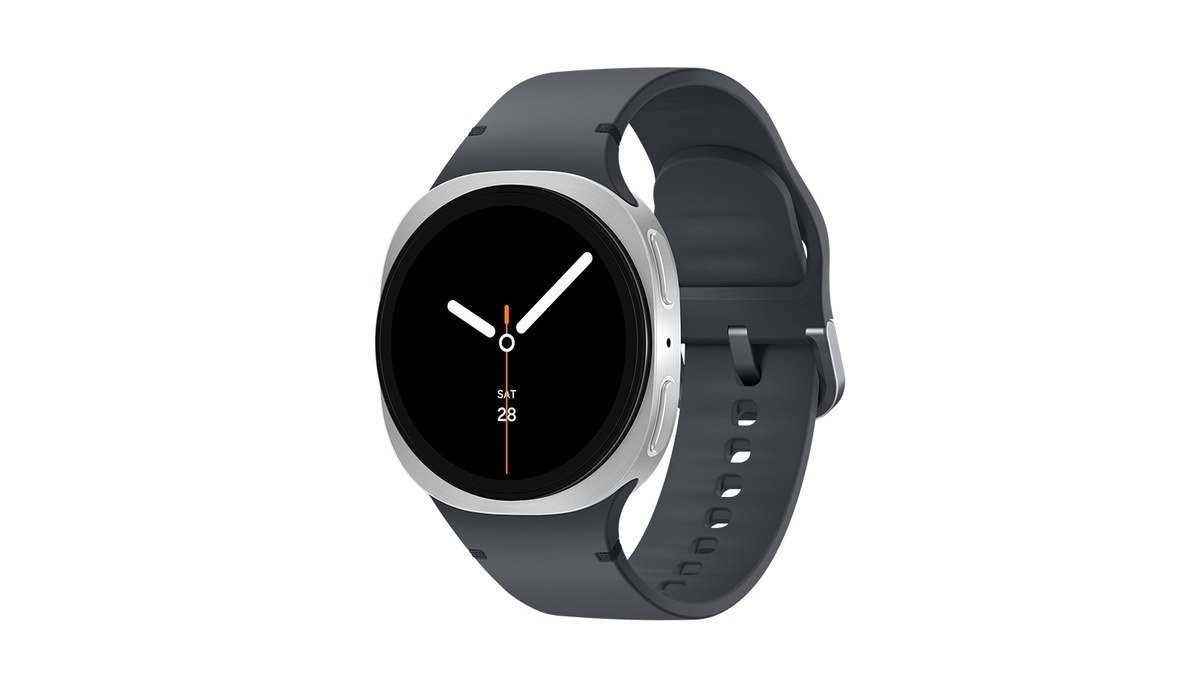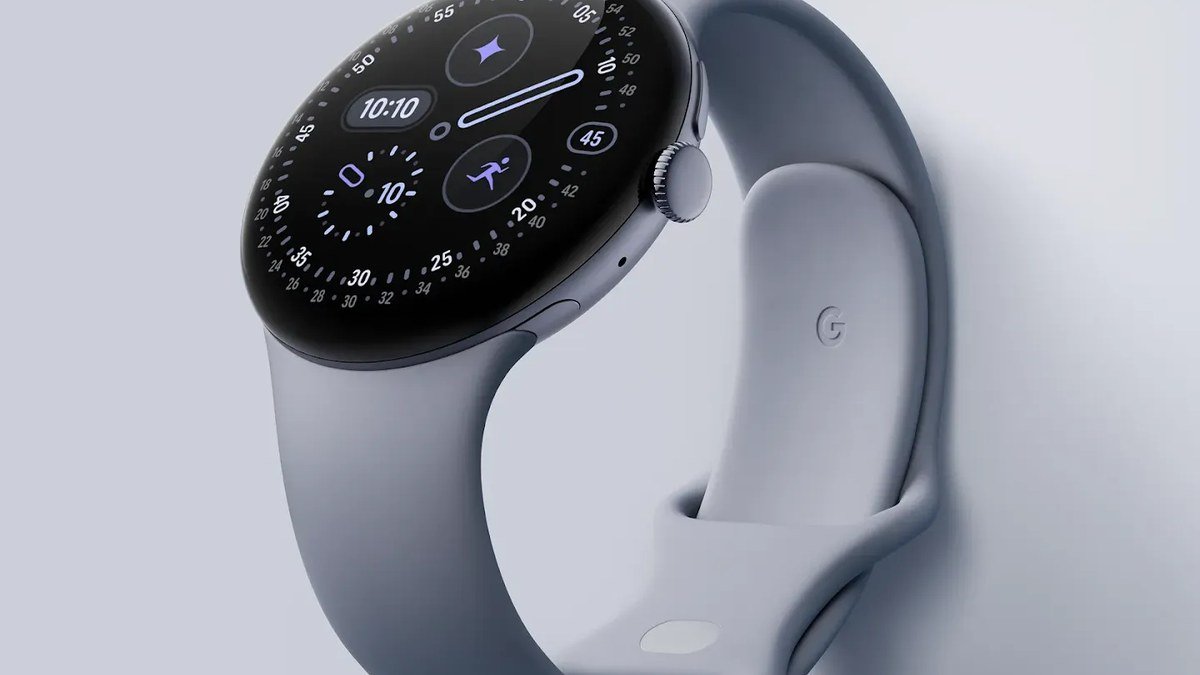
The Galaxy Watch 8 vs Pixel Watch 4 matchup is the defining Android smartwatch question of 2026. Samsung’s thinnest watch ever against Google’s most refined Pixel Watch yet. Both run Wear OS 6. Both promise multi-day battery. Both start within about $30 of each other. So which one? It comes down to your phone, your priorities, and which compromises bother you least.
This comparison breaks the differences down across design, display, battery, health tracking, smart features, and value — using manufacturer claims and widely reported specs — so you can buy with confidence. Want the full story on either watch first? Read our individual takes on the Samsung Galaxy Watch 8 and the Google Pixel Watch 4.
Galaxy Watch 8 vs Pixel Watch 4: The Short Answer
Buy the Galaxy Watch 8 if you own a Samsung phone, want the thinnest and lightest design, prefer sapphire crystal durability, or like Samsung’s pinch-gesture controls and the One UI watch interface. It’s also the better pick if you want a watch that disappears on a smaller wrist.
Buy the Pixel Watch 4 if battery life is your top priority (Google rates it up to 40 hours with the always-on display), you want satellite SOS and Fitbit-powered health tracking, you like the domed pebble design, or you’re deep in Google’s ecosystem with a Pixel phone.
Both are excellent. Neither is a bad buy. The rest of this guide is about exactly where each one pulls ahead.
Galaxy Watch 8 vs Pixel Watch 4: Side-by-Side Spec Comparison
| Spec | Samsung Galaxy Watch 8 | Google Pixel Watch 4 |
|---|---|---|
| Launch | July 2025 | August 2025 |
| Sizes | 40mm / 44mm | 41mm / 45mm |
| Display | Super AMOLED, up to 3,000 nits | LTPO AMOLED “Actua 360” domed display, up to 3,000 nits |
| Glass | Sapphire crystal | Corning Gorilla Glass 5 |
| Chip | Exynos W1000 (3nm) | Snapdragon W5 Gen 2 + Cortex M55 co-processor |
| Memory | 2GB RAM / 32GB storage | 2GB RAM / 32GB storage |
| Battery (larger size) | 435 mAh; Samsung rates up to 30h (always-on), 40h saver | 455 mAh; Google rates up to 40h (always-on), 72h saver |
| Thickness / weight (larger) | 8.6mm / ~34g | 12.3mm / ~36–40g |
| Durability | 5ATM + IP68 + MIL-STD-810H | 5ATM + IP68 |
| Standout features | Pinch gestures, sleep apnea detection, One UI 8 Watch, Gemini | Satellite SOS, Loss of Pulse Detection, Fitbit integration, Gemini |
| Launch price (US) | From $349 (40mm) / $379 (44mm) | From $349 (41mm) / $399 (45mm) |
Specs based on manufacturer announcements and widely reported specification sheets; launch MSRPs. Prices vary by region and retailer.
Design and Comfort
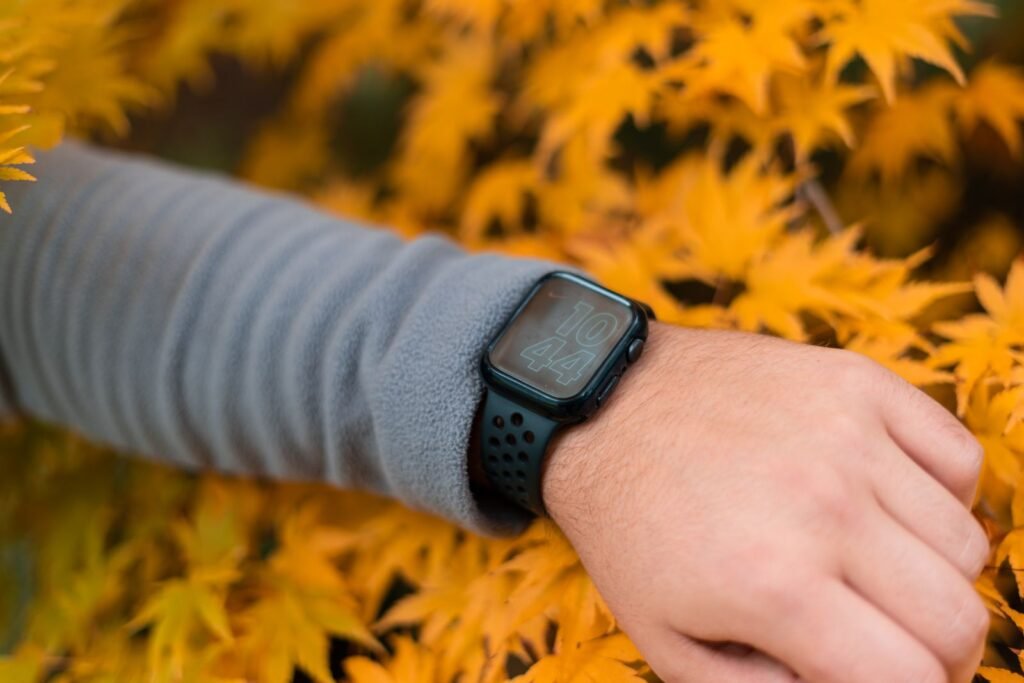
This is the most obvious difference between the two. The Galaxy Watch 8 is Samsung’s thinnest smartwatch ever at 8.6mm, and at roughly 34 grams (44mm, without band) it’s noticeably lighter and sleeker on the wrist. The flat-sided “cushion” case and sapphire crystal give it a dressier, tougher feel — sapphire shrugs off scratches better than the Gorilla Glass 5 on the Pixel Watch 4.
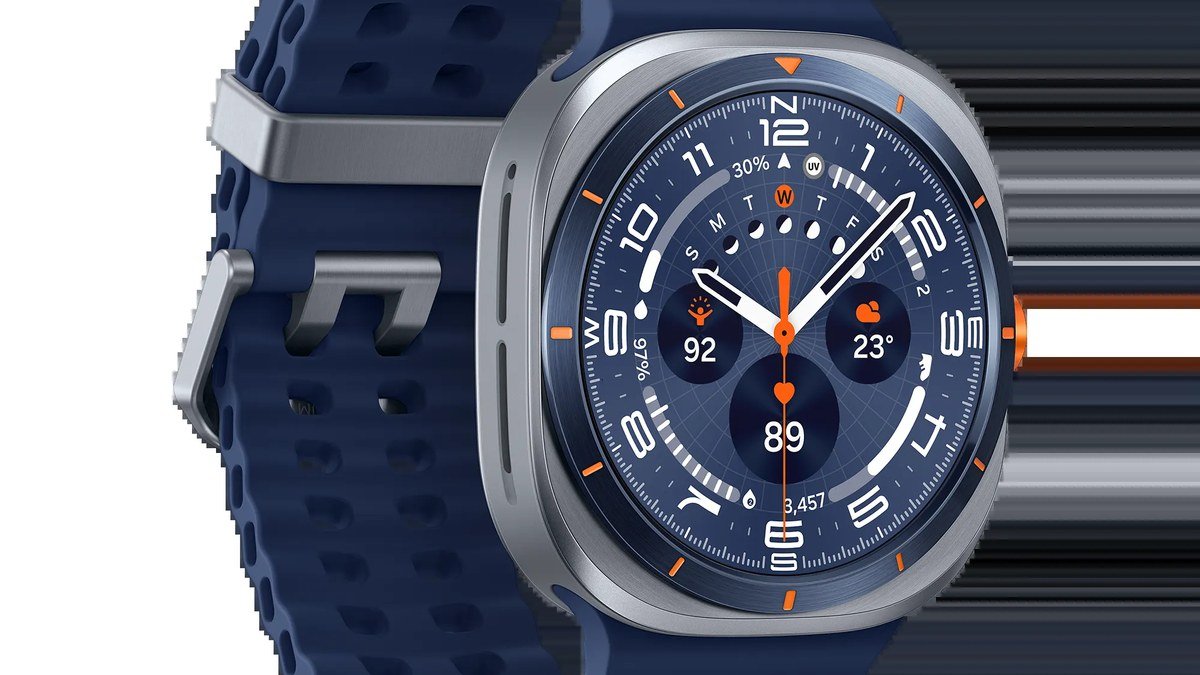
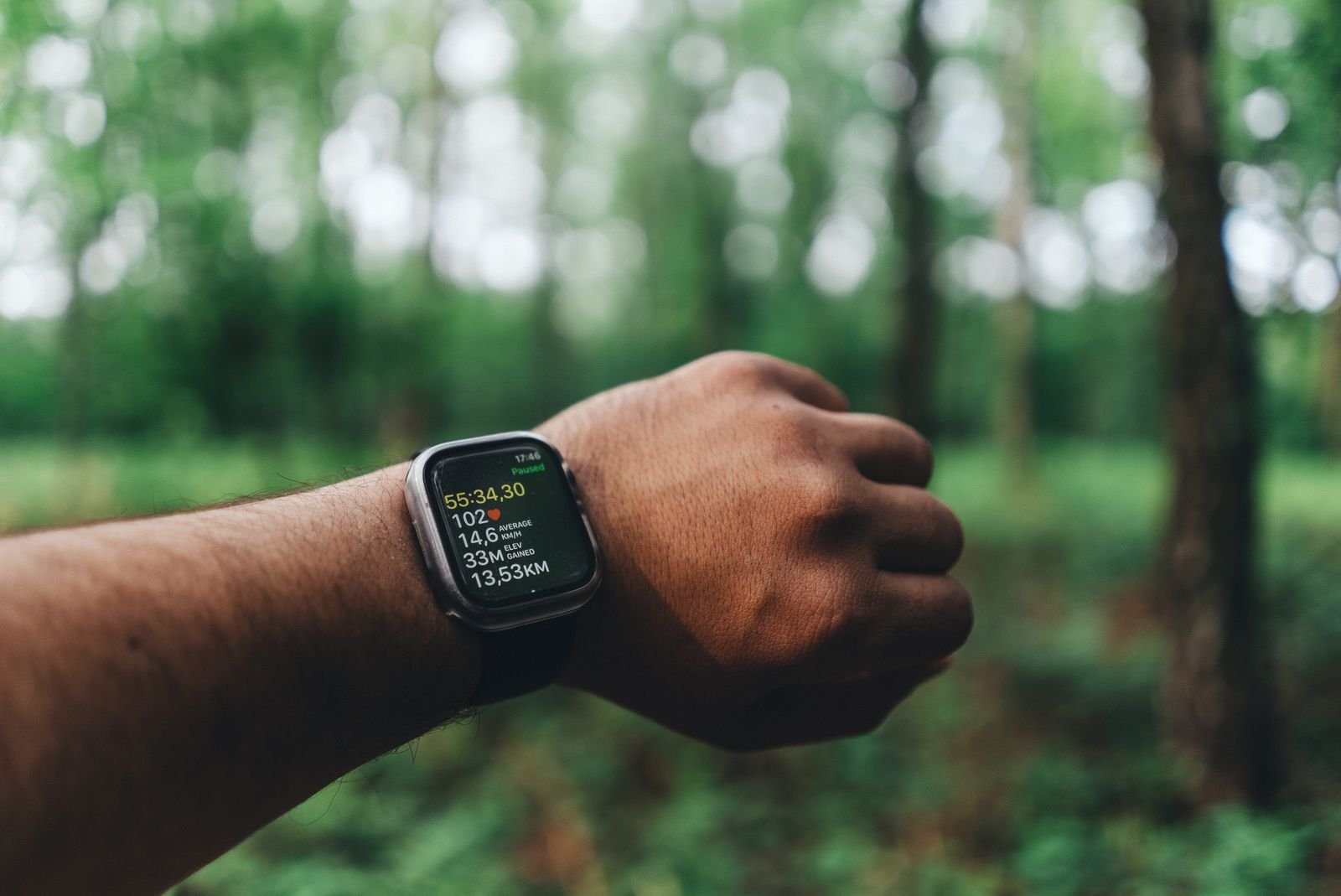
The Pixel Watch 4 keeps Google’s signature pebble design, with a domed Actua 360 display that curves into the case. Distinctive and modern — but at 12.3mm thick it wears chunkier, and the domed glass sits more exposed to bumps. Both are comfortable for all-day and sleep wear, but smaller wrists or long sleeves? The Watch 8’s slim profile wins clearly. And if you want maximum ruggedness in an Android watch, the Galaxy Watch Ultra 2 is built for adventure.
Display
Both hit 3,000 nits of peak brightness, so sunlight readability is excellent either way — a spec that was flagship-exclusive just two years ago. The Galaxy Watch 8 uses a flat Super AMOLED panel (480×480 on the 44mm) under sapphire crystal. The Pixel Watch 4 uses an LTPO AMOLED domed display (456×456 on the 45mm) that curves at the edges for an almost bezel-free look.
In practice, both look sharp and vibrant. The Pixel’s domed display is arguably prettier, and the LTPO backplane helps its always-on efficiency. The Samsung’s flat sapphire screen is more practical — easier to read at an angle, harder to scratch. Call it a draw, decided by taste: flat and tough (Samsung) versus curved and striking (Google).
Battery Life
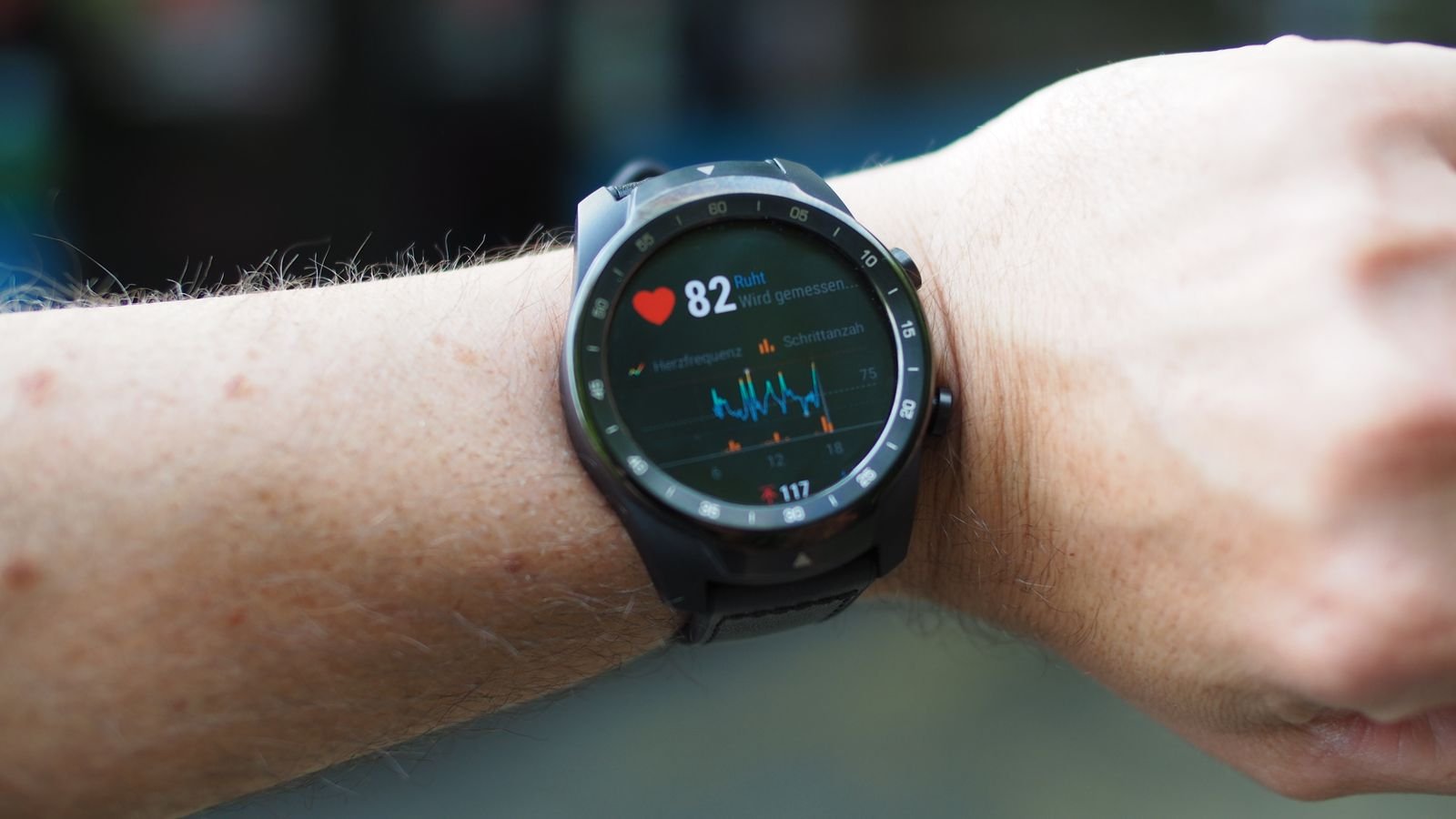
Battery is where the Pixel Watch 4 makes its strongest case. Google rates the 45mm model at up to 40 hours with the always-on display on, and up to 72 hours in Battery Saver — and in day-to-day use it comfortably delivers two days for most people. The Galaxy Watch 8 is rated by Samsung at up to 30 hours always-on and up to 40 hours in saver mode. Solid. But a clear step behind.
Part of the gap is capacity (455 mAh versus 435 mAh on the larger sizes), but the Pixel’s LTPO display and low-power co-processor do a lot of the heavy lifting. Charging speed favors Google too: the Pixel Watch 4 hits 50 percent in about 15 minutes, while the Galaxy Watch 8 takes around an hour to reach 80 percent. Hate charging your watch daily? The Pixel Watch 4 wins this category outright.
Health and Fitness Tracking
Both cover the essentials — continuous heart rate, ECG, blood oxygen, sleep tracking, skin temperature, dual-band GPS — but their philosophies split from there. The Galaxy Watch 8 leans on Samsung’s BioActive sensor, with extras like body composition analysis (via BIA) and sleep apnea detection feeding into Samsung Health. Note: some advanced features work best — or only — paired with a Samsung phone.
The Pixel Watch 4 leans on Fitbit’s mature platform: multi-path heart-rate sensing, deep Fitbit app integration with readiness and cardio load scores, Loss of Pulse Detection, and satellite SOS for emergencies beyond cell coverage — a genuinely unique safety feature here. Fitbit’s app remains the gold standard for presenting health data clearly. Want the deepest fitness analytics? Pick the Pixel. Prefer Samsung Health’s body composition and sleep apnea tools — and own a Galaxy phone? Pick the Watch 8.
Smart Features and Ecosystem
Both run Wear OS 6 with Gemini on board, so the core smartwatch duties — notifications, Google Wallet, Maps, Assistant queries — are effectively identical. The differences live in the details. The Galaxy Watch 8 runs Samsung’s One UI 8 Watch skin with pinch gestures (double-pinch to answer calls or dismiss alarms) and tighter integration with Galaxy phones, Galaxy Buds, and SmartThings. The Pixel Watch 4 runs cleaner stock Wear OS with Material 3 Expressive styling, ultra-wideband (UWB) for precise device finding, and the smoothest pairing experience with Pixel phones.
Ecosystem lock-in is the real deciding factor. Samsung keeps some Watch 8 features exclusive to Galaxy phones, while the Pixel Watch 4 is more phone-agnostic within Android. Samsung phone in your pocket? The Watch 8 unlocks everything. Pixel owner — or you switch Android phones often? The Pixel Watch 4 is the safer long-term pick. iPhone owners should look at the Apple Watch Series 12 instead. Neither of these pairs with iOS.
Price and Value
Launch pricing is nearly identical: both start at $349 for the smaller size, with the 44mm Galaxy Watch 8 at $379 and the 45mm Pixel Watch 4 at $399. In practice, Samsung watches get discounted deeper and faster — street prices often favor the Galaxy Watch 8 within a few months of launch.
Value comes down to what you’re paying for. The Pixel Watch 4 justifies its slightly higher top price with clearly better battery life and satellite SOS — things you feel every day. The Galaxy Watch 8 counters with a thinner, lighter design, sapphire crystal, and stronger Samsung ecosystem perks at a frequently discounted price. Neither charges a subscription for core health features. Both are honest buys.
Final Recommendation
In the Galaxy Watch 8 vs Pixel Watch 4 decision, match the watch to your phone and your priorities. Samsung phone owners who value slim design, sapphire durability, and the One UI ecosystem should buy the Galaxy Watch 8 — the most polished Samsung watch ever made, and usually the cheaper of the two after discounts. Everyone else on Android — especially Pixel owners and anyone who prioritizes battery life, Fitbit health tracking, and safety features — should buy the Pixel Watch 4, the best all-round Android smartwatch for most people right now.
If neither quite fits, the Galaxy Watch Ultra 2 is worth a look for rugged multi-day use. Whichever you choose, both watches show how far Wear OS has come: fast, genuinely useful, and finally competitive on battery.
FAQs: Galaxy Watch 8 vs Pixel Watch 4
Which has better battery life, Galaxy Watch 8 or Pixel Watch 4?
The Pixel Watch 4. Google rates the 45mm model at up to 40 hours with the always-on display (72 hours in Battery Saver), against Samsung’s up-to-30-hours always-on (40 hours saver) for the 44mm Galaxy Watch 8. In real-world use, the Pixel is the more reliable two-day watch.
Does the Galaxy Watch 8 work with non-Samsung Android phones?
Yes — it pairs with any reasonably recent Android phone. But Samsung keeps some features (certain Samsung Health advanced metrics, ECG/BP availability in some regions) for Galaxy phones, so the full experience is Samsung-ecosystem-only. The Pixel Watch 4 behaves more consistently across Android phones.
Is the Pixel Watch 4 worth the extra $20 over the Galaxy Watch 8?
At launch MSRP, the 45mm Pixel Watch 4 ($399) costs $20 more than the 44mm Galaxy Watch 8 ($379). That $20 buys notably better battery life, satellite SOS, and Fitbit’s health platform. If those matter to you, yes. Prefer the thinner design and sapphire glass — and catch the Watch 8 on sale? Samsung’s the better value.
Can either watch be used with an iPhone?
No. Neither the Galaxy Watch 8 nor the Pixel Watch 4 pairs with iPhones — both need Android. iPhone users should look at the Apple Watch SE 3 or Series 12 instead.
Which is better for sleep tracking?
Both are strong, with different emphases. The Galaxy Watch 8 brings sleep apnea detection plus Samsung Health’s sleep coaching. The Pixel Watch 4 leans on Fitbit’s sleep score, sleep profile animals, and readiness metrics. The Pixel’s longer battery also means less pressure to charge overnight — a real practical edge for sleep tracking.
Affiliate Disclosure: This article contains affiliate links. If you purchase through them, we may earn a commission at no extra cost to you.
Where to Buy: Check Price on Amazon · See Amazon Deals · Compare Prices on Daraz · Check Daraz Deals · Check AliExpress Price · See AliExpress Deals
Check the price on AliExpress — the global marketplace with millions of tech products.
As an AliExpress affiliate, we may earn a commission on qualifying purchases.