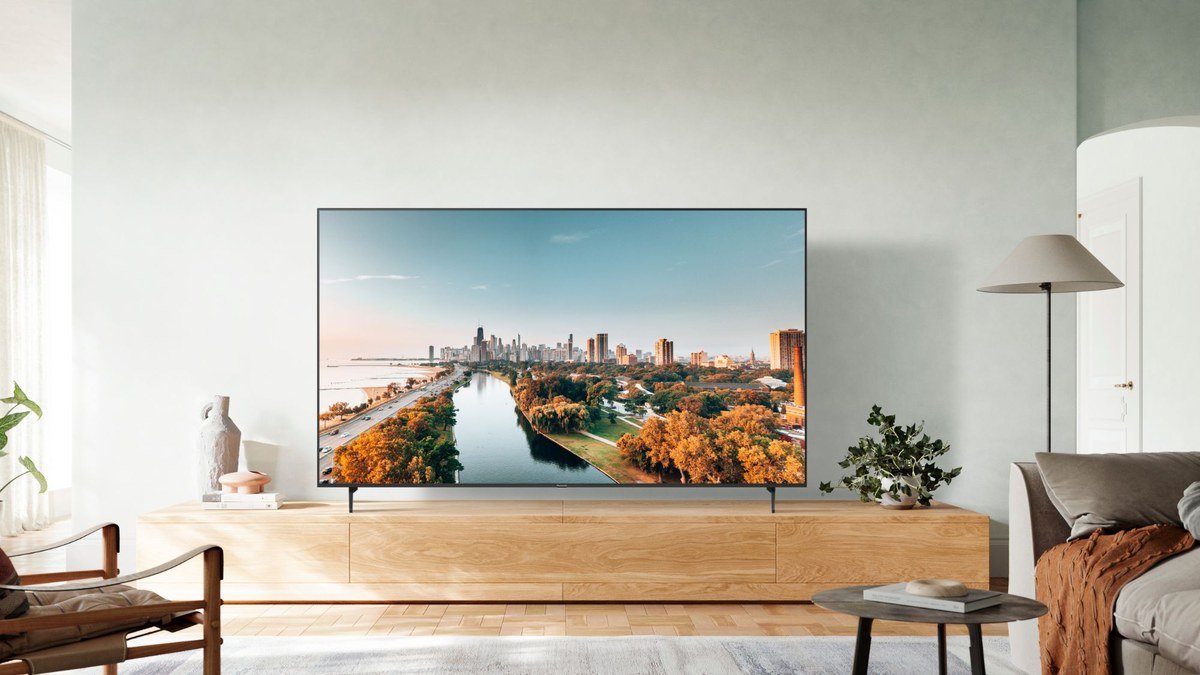
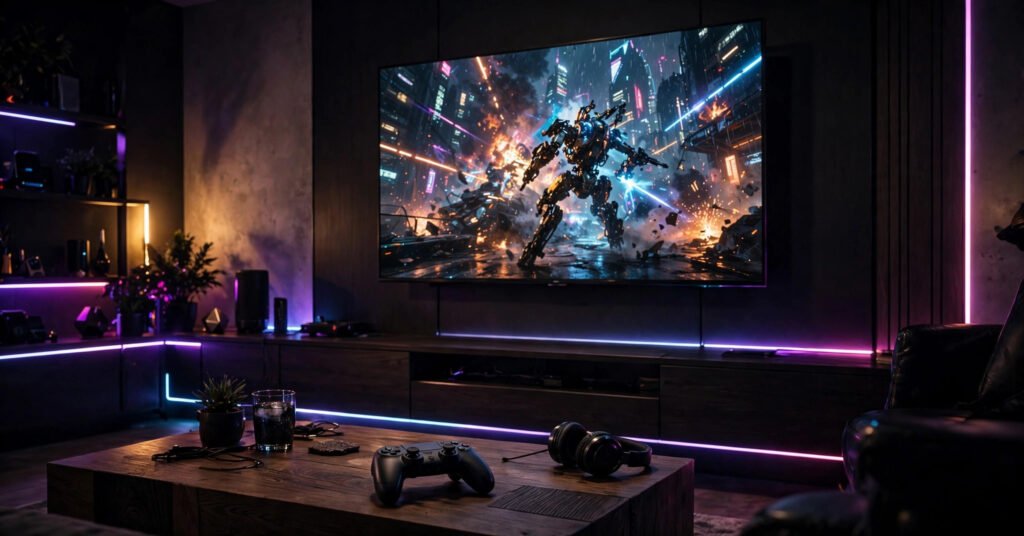
Here’s the mistake I see gamers make every single year: they buy a beautiful TV for movies, plug in their console, and then wonder why everything feels sluggish. The problem isn’t the TV being bad — it’s that gaming asks completely different questions of a display than Netflix does. Input lag, variable refresh rate, and 120Hz support matter more for your K/D ratio than peak brightness ever will, and a TV that crushes movies can be genuinely mediocre for gaming.
The good news is that 2026 is honestly a great time to buy. HDMI 2.1 features — 4K at 120Hz, VRR, and ALLM — have trickled down from flagship-only territory into midrange models, so you no longer have to choose between “good for gaming” and “doesn’t require a second mortgage.” This guide cuts through the marketing noise: five picks worth your money, and the buying logic behind each one.
Looking for the best deal?
What Actually Matters for Gaming (The Short Version)
Before the picks, let’s get the specs-that-matter list out of the way, because TV marketing loves to bury these under nonsense like “motion rate 480” and other made-up numbers. The real checklist: a native 120Hz panel, at least one HDMI 2.1 port (two is much better), variable refresh rate support (VRR), and auto low latency mode (ALLM). Input lag under 15ms in game mode is the target — most modern gaming TVs hit well under that, but always check reviews for game-mode measurements, not the marketing sheet.
Two features that sound important but usually aren’t dealbreakers: 8K and extreme peak brightness. No current console games natively at 8K in any meaningful way, and while brightness matters for daytime movie watching, gaming in a dark room barely taxes it. Spend your money on refresh rate and response time first. That’s where the actual gameplay difference lives.
1. The OLED Sweet Spot: Best Overall Gaming TV
For most gamers, an OLED in the mid-size range is the endgame purchase, and the current generation is the best value OLEDs have ever been. Perfect blacks, near-instant pixel response, and HDMI 2.1 ports with full 4K/120Hz and VRR support — on paper and in practice, this is the panel type that makes games look the way their artists intended. Night City at 2 AM on an OLED is genuinely one of those “oh, that’s what all the fuss was about” moments.
The trade-offs are real though, so let’s be honest. OLEDs cost more per inch than anything else here, and if your gaming room is a sun-drenched living room, the lower full-screen brightness can be noticeable in daylight. Burn-in is largely a solved problem for normal varied use, but if you play one HUD-heavy game for eight hours a day, every day, it’s worth knowing the risk exists. For mixed gaming and movies in a light-controlled room, nothing touches it.
2. The Bright-Room Champion: Best Mini-LED for Gaming
If your setup lives in a living room with big windows, mini-LED is your friend. These panels get seriously bright — bright enough to fight afternoon sun — while keeping contrast dramatically better than old-school LED TVs thanks to hundreds or thousands of local dimming zones. The best mini-LED gaming TVs now ship with full HDMI 2.1 feature sets: 120Hz panels, VRR, ALLM, the works.
The catch is blooming — that faint halo around bright objects on dark backgrounds. It’s gotten much better with denser dimming zones, and honestly in actual gameplay you stop noticing it within an hour. But if you’re the type who fixates on it in letterboxed movies, OLED might be more your speed. For everyone else who games in a real, imperfectly lit room, mini-LED is the pragmatic champion and usually cheaper per inch than OLED.
3. The Budget Pick: Best Affordable HDMI 2.1 TV
This is the pick I’m most excited about, because it represents the biggest shift in the last two years. You can now get a TV with a genuine 120Hz panel, HDMI 2.1 ports, VRR, and ALLM at a price that would’ve bought you a sad 60Hz panel with fake motion smoothing back in the day. Budget brands have gotten shockingly good at the gaming fundamentals because gamers are loud online and manufacturers finally listened.
What you give up at this tier: worse viewing angles, weaker upscaling for old content, and speakers you’ll want to replace with a soundbar immediately. None of that affects gameplay. If your budget is tight and your priority is the console experience, this category is where the smart money goes — spend less on the TV, and put the savings toward games or a headset. The panel won’t win a side-by-side with an OLED, but at 120Hz with VRR enabled, your games will feel incredible.
4. The Big-Screen Pick: Best Large Gaming TV
Some games deserve to be enormous. Open-world epics, racing games, anything where scale is the whole point — these transform on a 65-inch-plus screen. The good news is that large gaming TVs with full HDMI 2.1 support are no longer exotic; the 65 and 75-inch classes are where the value curve is sweetest right now, with 85-inch models dropping into reach during sales.
The honest trade-off: at big sizes, panel quality differences get magnified. A mediocre panel at 55 inches can look fine; at 75 inches every flaw is front and center. So if you’re going big, I’d rather see you buy a well-reviewed 65-inch than stretch to a sketchy 75-inch from a brand with no track record. Size is great, but a bigger bad TV is just a bigger disappointment. Sit the right distance away — roughly 1 to 1.5 times the screen diagonal for 4K — and even 65 inches feels cinematic.
5. The Competitive Pick: Best for Esports and Fast Games
If your diet is shooters, fighters, and anything where frames win fights, your priorities shift. Input lag becomes king, motion clarity matters more than contrast, and you might genuinely prefer a smaller screen — 55 inches or even less — so your eyes can take in the whole frame without scanning. Some competitive players even prefer LED panels over OLED for the higher sustained brightness and zero burn-in worry during marathon ranked sessions.
Here’s the thing most casual buyers miss: for competitive play, the difference between a great gaming TV and a merely good one is mostly about response time and input lag, not picture quality. A TV with slightly worse colors but measurably lower lag will serve a competitive player better every time. Know your genre. If you’re grinding ranked ladders, optimize for speed; if you’re exploring open worlds, optimize for beauty. Most of us are somewhere in between, which is why the first two picks on this list are the defaults I’d point most people toward.
Don’t Forget the Cable and the Settings
Two things that trip people up after buying. First, you need an Ultra High Speed HDMI cable to actually get 4K/120Hz — the cable that came in your console’s box works fine, but that random old cable from your drawer probably doesn’t. Second, enable game mode. I know, it sounds obvious, but a shocking number of people run their consoles in standard picture mode and never experience the low input lag they paid for. While you’re in there, make sure VRR and ALLM are switched on — some TVs ship with them off by default, which is frankly baffling.
Also: your console’s output settings matter. Set your PS5 or Xbox to performance mode if you want the 120Hz experience, and check that the console actually detects the TV’s capabilities in its display settings. Five minutes in menus, and you’ll know whether your new TV is delivering what you paid for.
The Verdict
The best TV for gaming in 2026 isn’t the most expensive one — it’s the one that nails the gaming fundamentals: 120Hz, HDMI 2.1 with VRR and ALLM, and low input lag in game mode. OLED wins for pure picture quality in dark rooms, mini-LED wins for bright living rooms, and the budget tier has never offered more gaming performance per dollar. Figure out your room, your genres, and your budget, then pick the category that matches — you genuinely can’t go wrong with any of them if the HDMI 2.1 boxes are checked.
Ready to upgrade your setup? check the current price on Amazon and compare the gaming models side by side before the next big sale hits.
As an Amazon Associate I earn from qualifying purchases.
Check the price on AliExpress — the global marketplace with millions of tech products.
As an AliExpress affiliate, we may earn a commission on qualifying purchases.