Apple Watch Series 12 vs Ultra 4: Which Should You Actually Buy in 2026?
Here’s the uncomfortable truth about the Apple Watch lineup in 2026: the $399 watch is better for most people than the $799 one. Not “a great value pick.” Better. Full stop. Apple’s marketing will never tell you that, because the Ultra 4 looks incredible in ads — titanium case, massive glowing display, a guy free-diving off a cliff in slow motion. But watches don’t live in ads. They live on your wrist, next to your bed, and on the charger. And in that real world, the Apple Watch Series 12 quietly wins for nine out of ten buyers.
Heads up: this post contains affiliate links to Amazon, Daraz, and AliExpress — if you buy through them, we may earn a commission at no extra cost to you.
Check Price on Amazon — Apple Watch Series 12
The price gap is the entire story
Let’s start where your wallet lives. The Series 12 starts at $399 for the 42mm GPS model. The Ultra 4 starts at $799 — exactly double. No smaller size, no aluminum option, no way to talk the price down. One model, one price, take it or leave it.
So the question isn’t “which watch is better.” It’s “what does $400 extra actually buy you?” Strip the marketing away and the answer is short: battery life, ruggedness, and a few specialist sensors. That’s the list. Everything else — the S11-class chip performance, watchOS 27, the new Health Sensing System with its five-second heart-rate readings, the Readiness score — lives on the Series 12 too. Apple did not gate the 2026 health upgrades behind the expensive watch. That’s generous, and it quietly makes the Ultra 4 a harder sell than it’s ever been.
If you’re buying from Pakistan, it’s also worth checking Daraz — prices there sometimes undercut the US listings, especially on older stock when a new generation lands.
Size, weight, and how they actually feel at 6 AM
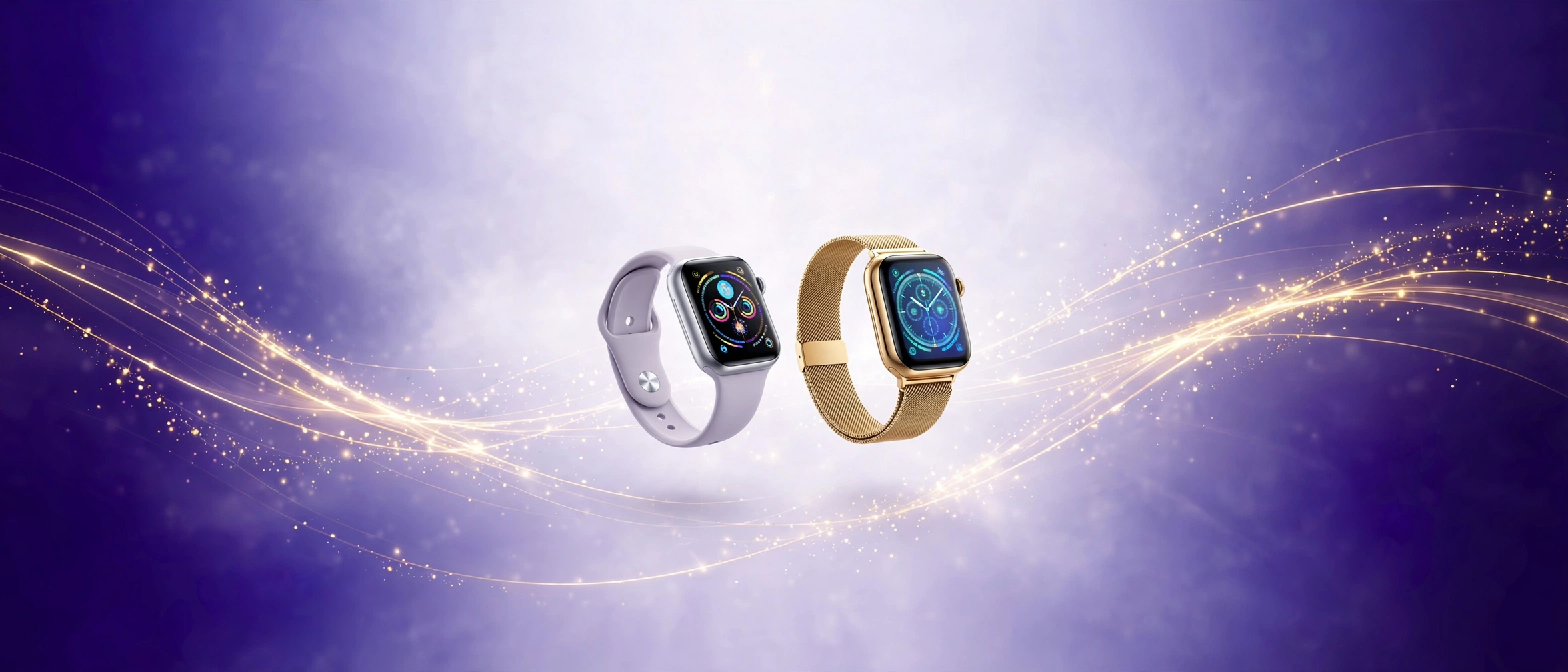
The Series 12 comes in 42mm and 46mm cases and weighs roughly 30 to 37 grams depending on size and material. It disappears. You wear it to the office, to dinner, to bed. After a day you forget it’s there, which is the highest compliment a watch can earn.
The Ultra 4 is 49mm of titanium and weighs in around 61 grams — and it wears every gram of it. On a bigger wrist it looks commanding. On a smaller wrist it looks like you’re wearing a hockey puck. Here’s the thing nobody mentions in reviews: the Ultra is genuinely awkward for sleep tracking. It catches on pillowcases. It presses into your wrist when you sleep on your side. And since the new Readiness score needs overnight data to mean anything, that’s not a minor quirk — it’s a direct hit on the watch’s best new feature.
Try this mental test. Picture yourself wearing each watch at a wedding. The Series 12 in a slim band? Fine. The Ultra 4 with its raised crown guards and chunky profile? You’d take it off. A watch you take off is a watch that stops tracking. Simple as that.
Battery life: the one honest reason to buy the Ultra
Now the part where the Ultra 4 earns its keep. The Series 12 is rated for about 24 hours of normal use, stretching to roughly 38 hours in Low Power Mode. Translation: you charge it every day, or every night if you sleep-track. That’s been the Apple Watch deal forever, and the Series 12 doesn’t break it.
The Ultra 4 is rated for around 50 hours. That’s two full days, plus a workout, plus sleep tracking, without touching a charger. For most people that’s a convenience. For some people it’s the whole ballgame.
Who actually needs 50 hours? Ultramarathon runners. Multi-day hikers. Backcountry skiers. People who work offshore or in the field for days at a time. If your life regularly puts you 48 hours from an outlet, the Ultra 4 isn’t a luxury — it’s the only Apple Watch that works for you. Everyone else is paying $400 for the comfort of forgetting to charge. Be honest about which group you’re in.
One more battery point in the Series 12’s favor: fast charging. It hits about 80% in 30 minutes with the included charger. The daily-charge routine sounds annoying until you realize it’s “charge while you shower and eat breakfast” and the watch is full. The 24-hour rating is a lot less painful when the refill takes half an hour.
Health and fitness: the gap is smaller than you’d think
This is where 2026 changed the math. The Series 12’s redesigned Health Sensing System measures heart rate every five seconds through the day — the old watches sampled every five minutes — and captures heart-rate variability far more often. That dense data feeds the new Readiness score, a single 0-to-10 number that tells you whether to push hard or take it easy. It’s the first Apple Watch feature that answers “how is my body doing?” instead of just “what’s my pulse?”
The Ultra 4 gets all of that too. Same sensors, same Readiness, same watchOS 27. What it adds is the specialist layer: dual-frequency GPS that’s more accurate in canyons and cities, a dive computer rating with 100m water resistance, an 86-decibel siren, and satellite messaging for emergencies off the grid. The Action button is genuinely useful — start a workout with gloves on, mark a compass waypoint, fire the flashlight. Nice touches.
But here’s my honest read: the health features that change daily behavior — continuous heart rate, HRV trends, sleep stages, Readiness — are identical on both watches. The Ultra’s extras only matter if your workouts involve open water, mountains, or places without cell signal. Your 5K training plan? Your gym sessions? Your step goal? The Series 12 handles all of it, and handles it well.
Display, durability, and the toughness question
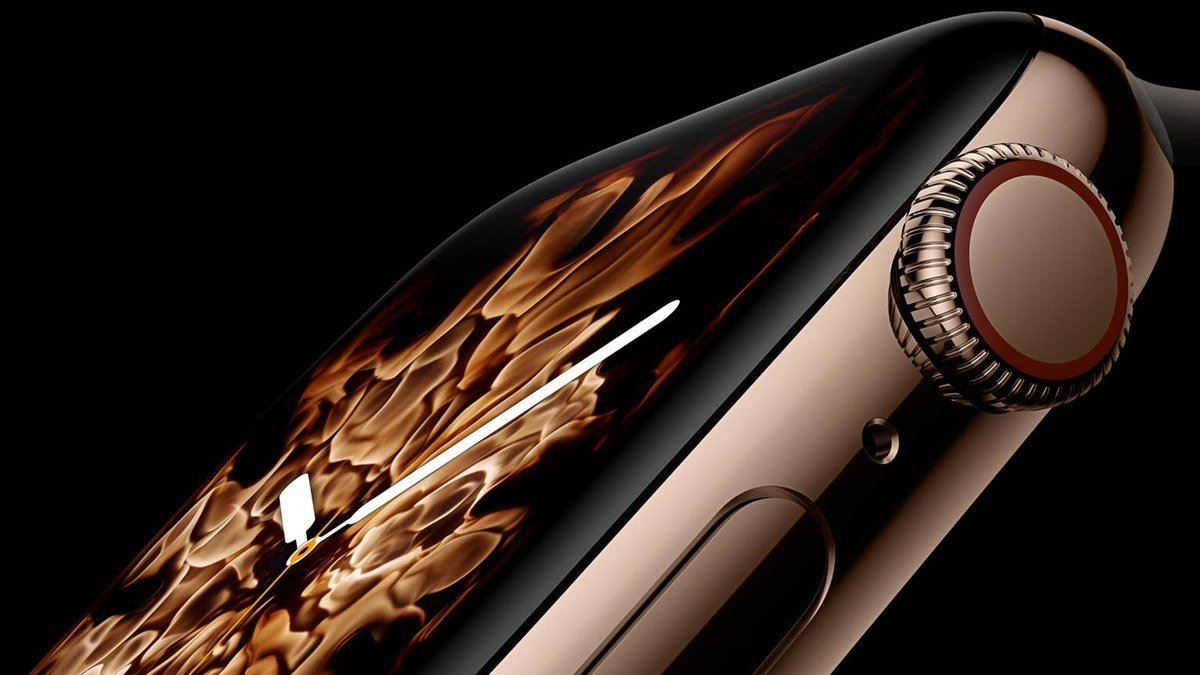
The Ultra 4’s display is bigger and brighter — no contest. In direct desert sunlight, it’s the easier screen to read. The sapphire crystal and titanium case shrug off rock scrapes that would scar the aluminum Series 12. If you’re rough on gear, the Ultra is objectively tougher.
The Series 12 fights back harder than you’d expect, though. Aluminum models now ship with Ceramic Shield 2 on the front, which Apple says is 60% tougher than the old Ion-X glass. Sixty percent is a real number, not marketing fluff — it’s the difference between a key scratch and no scratch. And if you want sapphire, the titanium Series 12 exists for less than the Ultra.
Durability verdict: the Ultra wins on paper. In practice? I’ve seen three-year-old aluminum Apple Watches that look fine because their owners weren’t climbing rocks with them. Match the toughness to your actual life, not your aspirational one.
Who should buy the Series 12
Almost everyone. If you run, lift, swim laps, track sleep, and want the best health data Apple makes — that’s the Series 12’s job description, and it does it in a case you’ll actually wear 24/7. It’s lighter, slimmer, cheaper, comes in two sizes and multiple materials, and gets every meaningful 2026 upgrade.
The size options matter more than people admit. The 42mm Series 12 fits wrists the Ultra 4 never will. Women with smaller wrists, anyone who wears fitted cuffs, anyone who sleeps with their watch — the Series 12 is the only comfortable choice. Comfort isn’t a spec-sheet bullet. It’s the difference between a health tracker you wear and one you don’t.
Who should buy the Ultra 4
A short, specific list. Buy the Ultra 4 if you do endurance events or multi-day outdoor trips where charging isn’t an option. Buy it if you dive — the Oceanic+ app and dive rating are legitimately excellent. Buy it if you work or play regularly beyond cell coverage and want satellite SOS on your wrist. Buy it if your wrists are big, your lifestyle is rough, and you genuinely prefer a bold watch.
Do not buy it because it looks cool in the keynote. Do not buy it “for the battery” if you sleep next to a charger every night like 95% of people. And definitely don’t buy it thinking it’s the “pro” health watch — the Series 12’s health sensing is the same or better for daily life.
The take nobody at Apple will give you
The Ultra line has an identity problem in 2026. When it launched, it was the only Apple Watch with serious battery life and serious durability, and the premium made sense. Now the Series 12 has closed the health gap completely, doubled its glass toughness, and charges to 80% in 30 minutes — while the Ultra’s price stayed at $799 and its size stayed enormous.
What you’re really choosing between is a watch and a piece of equipment. The Series 12 is a watch: it blends in, tracks everything, and asks for 30 minutes of charge a day. The Ultra 4 is equipment: it announces itself, survives anything, and asks for nothing for two days. Both are great at what they are. Most people’s lives need a watch.
One practical note: whatever you buy, skip the official $49+ bands at first. For bands, chargers, and stands, AliExpress is worth a look — solid third-party Sport Band clones go for under $10, and spare fast chargers cost a fraction of Apple’s.
Verdict: buy the Series 12, and don’t look back
For the overwhelming majority of iPhone owners in 2026, the Apple Watch Series 12 is the right buy. You get the S11 chip, the five-second heart-rate sensing, the Readiness score, Ceramic Shield 2, and fast charging — the complete modern Apple Watch experience — for $399 in a case that suits real life. The $400 you save buys a lot of nice bands. Or groceries.
The Ultra 4 is the right buy for a specific, honest set of needs: multi-day battery, diving, backcountry safety, genuine ruggedness. If that’s you, you already know it’s you, and the Ultra 4 is excellent at its job. Everyone else? The Series 12. It’s not the compromise pick. It’s the pick.
Check Price on Amazon — Apple Watch Ultra 4
Where to Buy: Compare Prices on Daraz · Check AliExpress Price
Check the price on AliExpress — the global marketplace with millions of tech products.
As an AliExpress affiliate, we may earn a commission on qualifying purchases.