
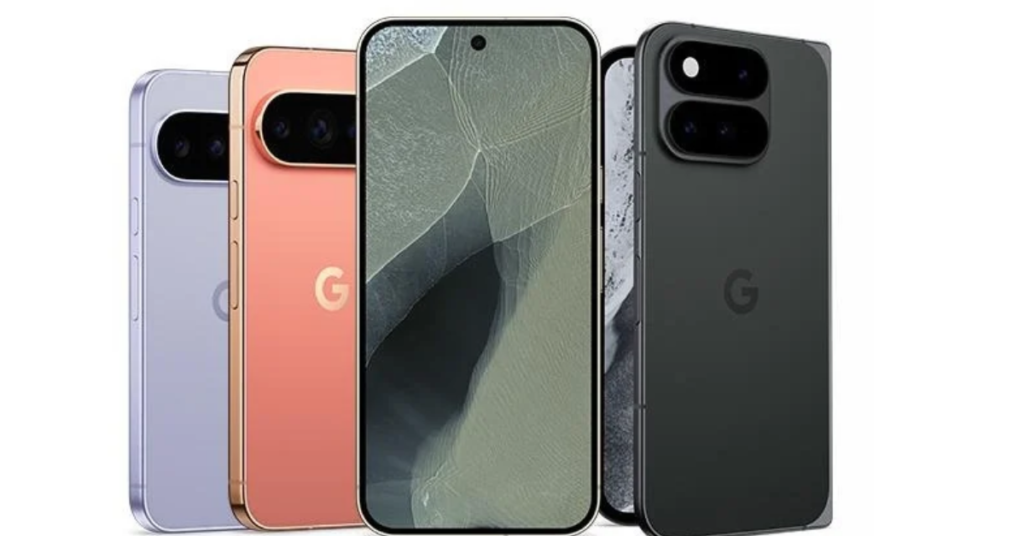
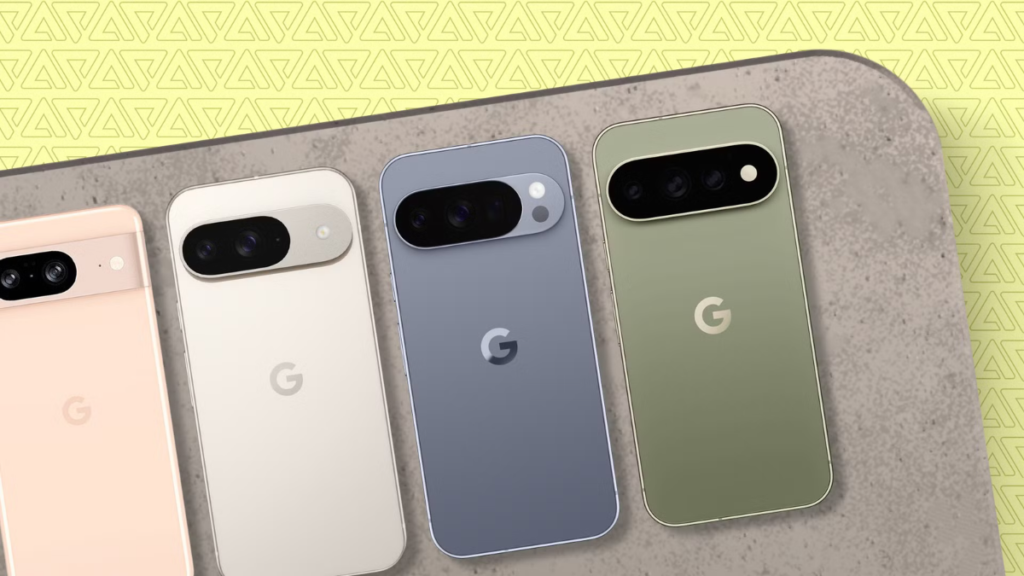
Google’s Pixel lineup is getting pretty crowded.
A few years ago, buying a Pixel was fairly simple. You had the affordable model, the regular flagship, and maybe a Pro if you wanted something more expensive. Now? There are Pixels for almost every kind of buyer — including a seriously expensive foldable.
And there’s another thing to talk about this year: the prices have gone up.
The Pixel 11 starts at $899, while the Pro models and the new Pixel 11 Pro Fold push even further into premium-phone territory. At the same time, Google has added more storage, a new Tensor G6 chip, improved cameras, and some genuinely interesting AI features.
So, are the new Pixels actually worth the money?
More importantly, which one should you buy?
Let’s forget the endless spec-sheet numbers for a minute and look at what each Pixel is actually like to live with.
Quick Answer: Which Pixel Should You Buy in 2026?
If you just want the short version:
- Around $499: Pixel 10a — a cheaper Pixel with Google’s excellent camera processing.
- Around $899: Pixel 11 — the all-rounder and the model most people will probably look at first.
- Around $1,099: Pixel 11 Pro — for people who care a lot about cameras and premium features.
- Around $1,299: Pixel 11 Pro XL — basically the big-screen Pixel for people who want more display and battery.
- Around $1,899: Pixel 11 Pro Fold — for anyone who specifically wants a Pixel that unfolds into a tablet-sized device.
Google’s own comparison page now lists the Pixel 11, Pixel 11 Pro, Pixel 11 Pro XL and Pixel 11 Pro Fold alongside older Pixel generations.
Now let’s get into the interesting part.
The Budget Champion: Pixel 10a
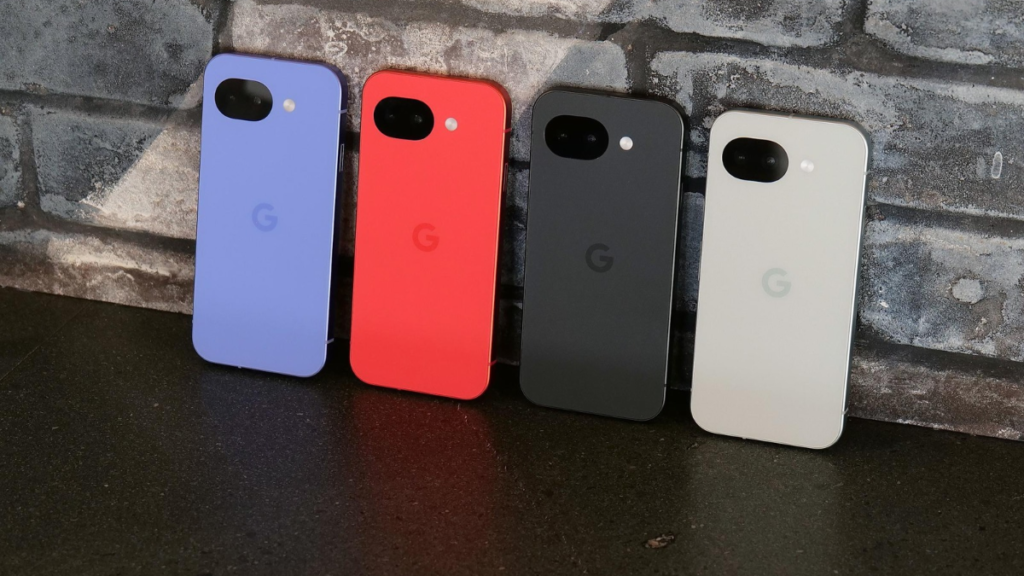
Price: $499
The Pixel 10a isn’t exactly the phone you buy because you want the latest technology.
In fact, compared with the Pixel 9a, the changes are pretty small.
But here’s why that doesn’t necessarily matter.
The Pixel 10a still gives you the thing Pixels have traditionally been very good at: taking great photos without making you think too much about the camera.
You don’t need to spend an hour changing camera settings. Point the phone at something, press the shutter and Google’s processing does a lot of the work behind the scenes.
That’s the real appeal of the 10a.
It’s also the kind of phone that makes sense for someone who doesn’t care about having the fastest processor or the fanciest materials. You get the clean Pixel software experience, Google’s camera processing and long-term software support without jumping anywhere near four-figure flagship pricing.
And if you happen to find a Pixel 9a heavily discounted, that’s worth considering too. Sometimes the older phone is the smarter purchase simply because the price has dropped.
Who’s it for?
Students, casual users, parents, or basically anyone who wants a reliable Pixel experience without spending flagship money.
The One I’d Look at First: Pixel 11
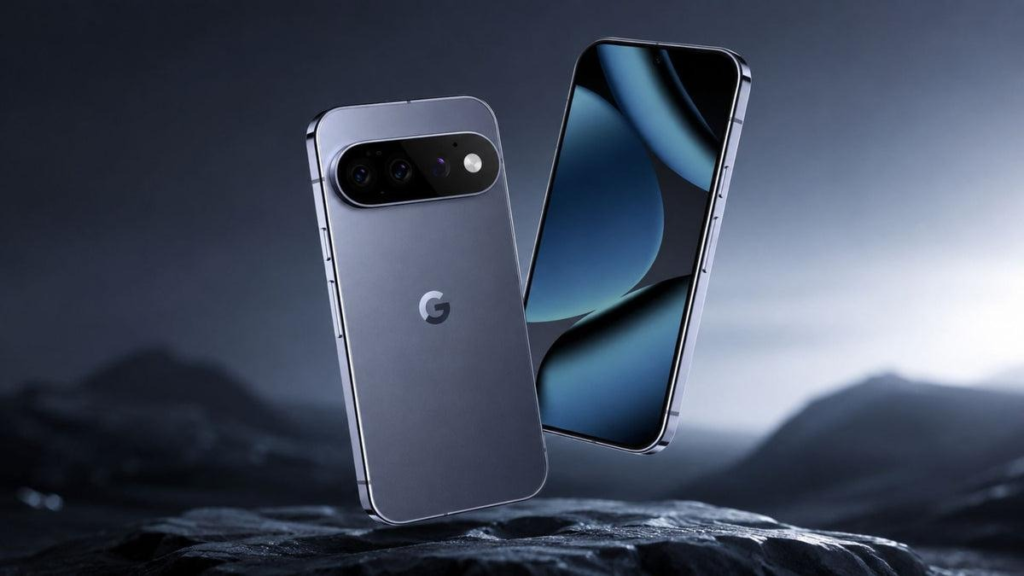
Price: $899 — 256GB
This is where Google’s 2026 lineup gets interesting.
The Pixel 11 isn’t cheap. There’s no getting around that.
But Google has made 256GB the starting storage option, which changes the value equation quite a bit compared with a 128GB base model.
Then there’s the new Tensor G6.
Google isn’t trying to win the benchmark wars with a huge performance number. Instead, the focus is on everyday performance and AI. The Tensor G6 powers Gemini features and Google’s newer on-device experiences, including the company’s latest AI tools.
And honestly, that’s where Pixels make the most sense.
The hardware matters, obviously. But Google’s real advantage has always been the way the hardware and software work together.
You also get a much more capable camera system than you’d expect from a phone that sits below the Pro models.
And yes, the camera bar is slimmer this generation. It’s a small design change, but it’s one of those things you’ll notice every time you put the phone down.
Who’s it for?
Pretty much anyone who wants a high-end Pixel without paying Pro XL or foldable money.
If you want good cameras, clean Android, Google’s AI features and enough storage to avoid constantly deleting photos, this is the Pixel to look at first.
The Camera Choice: Pixel 11 Pro
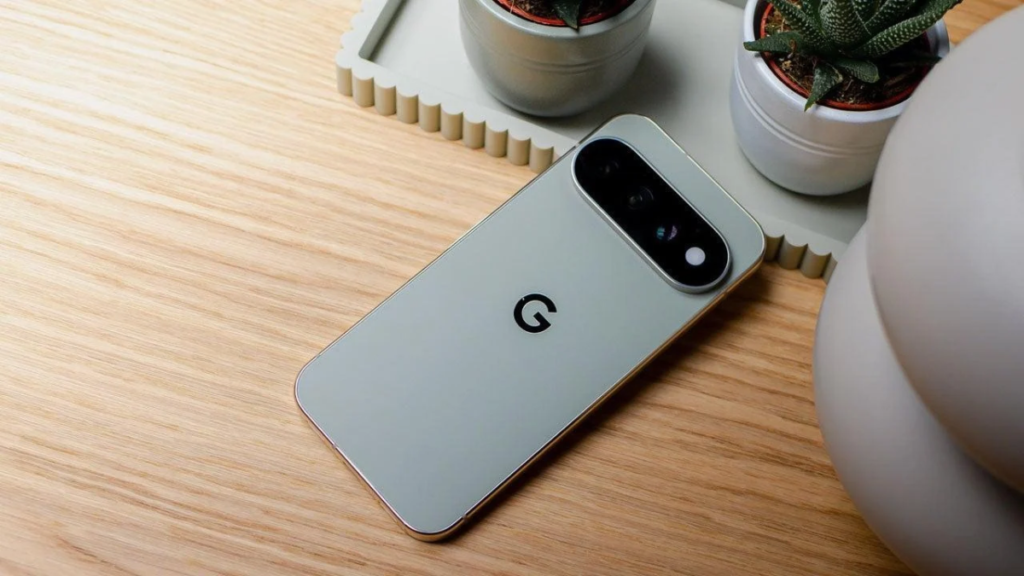
Price: $1,099
Now we’re getting into serious camera territory.
The Pixel 11 Pro steps things up with Google’s more advanced triple-camera setup, including a high-resolution ultrawide and telephoto camera.
And that’s important because camera quality isn’t just about how many megapixels are printed on the spec sheet.
The extra cameras give you more flexibility when you’re actually shooting.
Want a wide landscape shot?
No problem.
Want to zoom in without completely destroying the image?
That’s where the telephoto camera comes in.
And if you regularly shoot video, portraits, travel photos or social-media content, the Pro starts making a lot more sense than the standard Pixel 11.
The Pro models also get Google’s brighter Super Actua displays, with peak brightness reaching up to 3,600 nits according to Google’s specifications.
There’s also HiLight, Google’s new notification feature built around LEDs near the rear camera. It’s designed to give you visual notifications without requiring you to constantly look at the screen.
Is it essential?
Probably not.
Is it a fun little addition? Sure.
Who’s it for?
People who genuinely care about photography, video and premium phone features.
If your camera roll is basically your second hard drive, the Pro makes much more sense than the regular Pixel.
Pixel 11 Pro XL: Bigger Really Is the Point
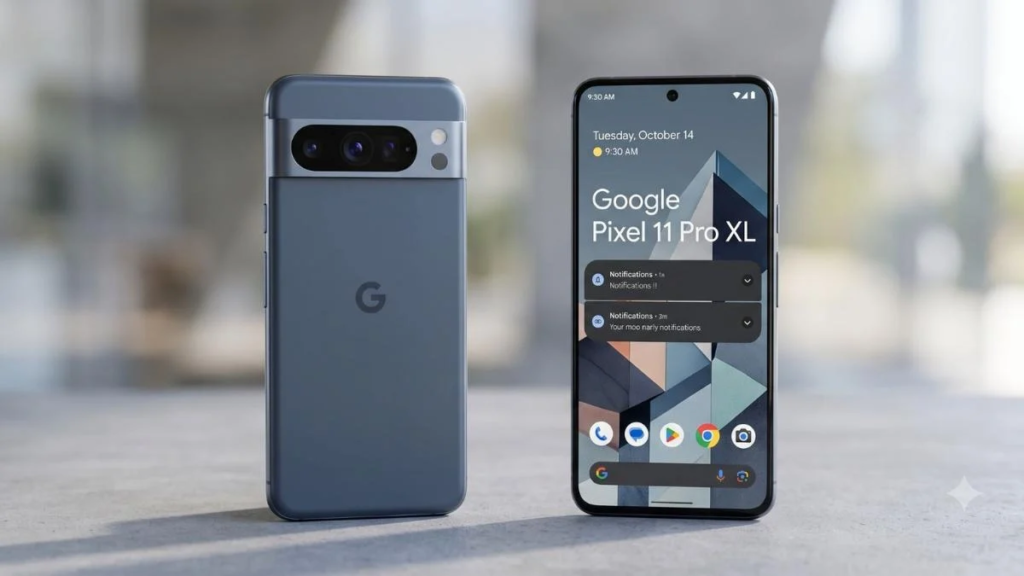
Price: $1,299
The Pixel 11 Pro XL isn’t trying to be a completely different phone.
It’s basically the big Pixel.
You get the Pro-level hardware and camera experience, but with a larger display and bigger battery.
That’s going to appeal to people who spend a lot of time watching YouTube, editing photos, playing games, reading or simply prefer having more screen to work with.
The larger Pro XL display also reaches up to 3,600 nits peak brightness.
And, as you’d expect, the phone is physically larger.
That sounds obvious, but don’t ignore it.
A big phone can be fantastic if you like big phones. If you prefer something that disappears into your pocket, you’ll probably find the regular Pro easier to live with.
Who’s it for?
Big-screen fans, heavy media users and people who want the most complete traditional Pixel experience without moving to a foldable.
Then There’s the Pixel 11 Pro Fold
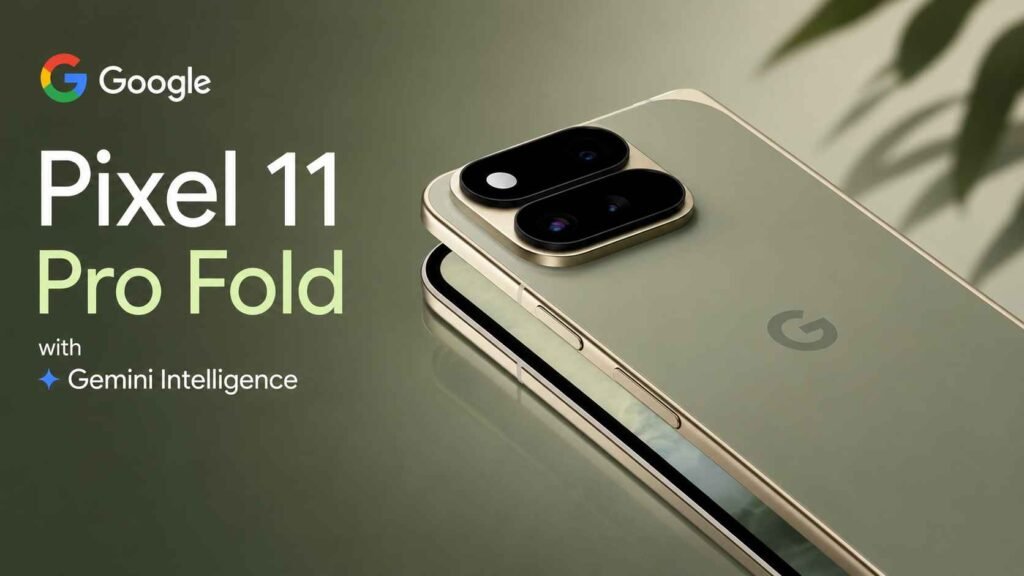
Price: $1,899
Okay, this one is different.
The Pixel 11 Pro Fold is for someone who doesn’t just want a phone.
They want a phone that turns into a small tablet.
The outer screen measures 6.5 inches, while opening the phone reveals an 8-inch inner display. Both displays can reach up to 3,600 nits peak brightness.
And Google has clearly put a lot of effort into durability this time around.
The Fold has an IP68 rating, a reinforced design and Google’s new ultra-durable materials.
Battery life is rated at more than 24 hours, and the phone supports 30W wired charging along with up to 25W Pixelsnap wireless charging.
The camera system is also no joke: a 48MP main camera, 10.5MP ultrawide and 10.8MP 5x telephoto.
But let’s talk about the elephant in the room.
$1,899 is a lot of money.
You’re not buying this because it’s the cheapest way to get a Pixel.
You’re buying it because you specifically want a foldable.
And that’s an important distinction.
Who’s it for?
People who already know they want a foldable and like Google’s approach to Android.
If you’re unsure whether you even want a foldable, I’d spend some time with one before dropping nearly two grand.
What About the Pixel 10 Pro?
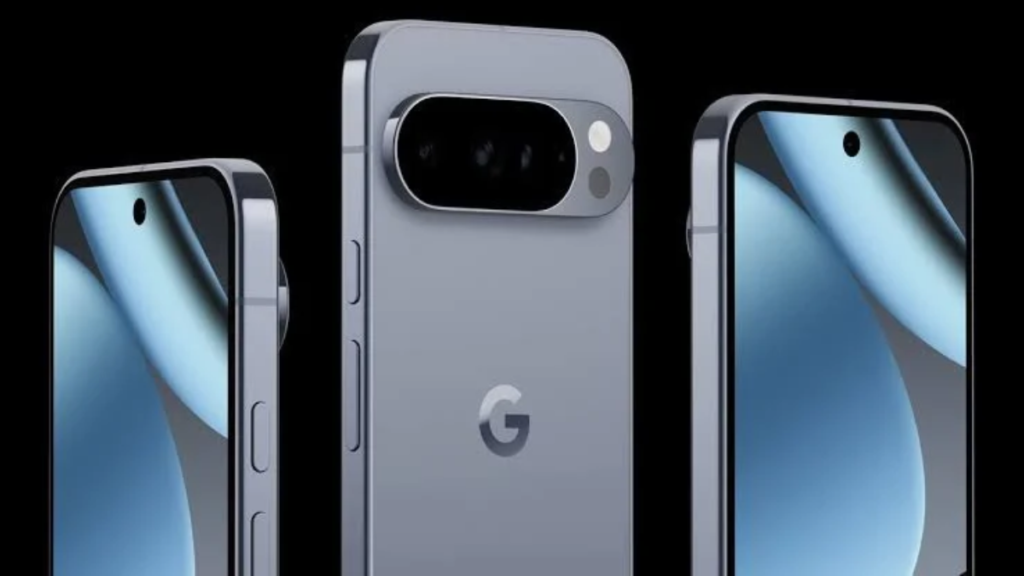
Don’t forget about last year’s phones.
The Pixel 10 Pro doesn’t suddenly become a bad phone just because the Pixel 11 exists.
Quite the opposite.
Once a new generation arrives, older flagship Pixels can become interesting because retailers often start discounting them.
You still get Google’s clean software, Pixel-exclusive features and the camera experience that made the Pro models popular in the first place.
Sure, you’re giving up some of the newer hardware and features found on the Pixel 11 generation.
But here’s the thing:
Do you actually need those features?
If you don’t, a discounted Pixel 10 Pro could make more sense than automatically spending more on the newest model.
That’s something I wish more phone buyers considered.
The newest phone isn’t automatically the best purchase for every person.
So, Which Pixel Should You Actually Buy?
Here’s the simple version:
💰 Around $499 — Pixel 10a
For people who want the Pixel experience without spending flagship money.
📱 Around $899 — Pixel 11
For people who want the best balance of price, performance, camera quality and features.
📸 Around $1,099 — Pixel 11 Pro
For people who care more about cameras and premium features.
🔋 Around $1,299 — Pixel 11 Pro XL
For people who want a huge screen and the full Pro experience.
📖 Around $1,899 — Pixel 11 Pro Fold
For people who specifically want a foldable phone that can double as a tablet.
The Bottom Line
Google’s Pixel lineup has definitely changed.
Pixels aren’t really the inexpensive alternative to Samsung and Apple anymore. Google is now competing much more directly at the premium end of the smartphone market.
That’s not necessarily a bad thing. But it does mean you have to think a little harder about which Pixel you’re buying.
The Pixel 10a makes sense if your budget is tight.
The Pixel 11 is the straightforward all-rounder.
The Pixel 11 Pro is where the camera-focused buyers should look.
The Pro XL is for people who want the biggest traditional Pixel.
And the Pixel 11 Pro Fold is for people who want something completely different.
For most buyers, I wouldn’t start with the question “Which Pixel is the best?”
I’d start with:
“What am I actually going to use this phone for?”
Because spending hundreds of dollars more on a phone doesn’t make much sense if you’re only going to use it for WhatsApp, Instagram, YouTube and taking pictures of your food.
And that’s really the point of this whole lineup.
There isn’t one Pixel that makes sense for everyone.
Which Pixel are you looking at in 2026? Let us know in the comments.
Follow GenZGadgetsZone for more straightforward tech reviews, comparisons and buying guides.